:
:  :
:  CUBICLES CODERS PVT LTD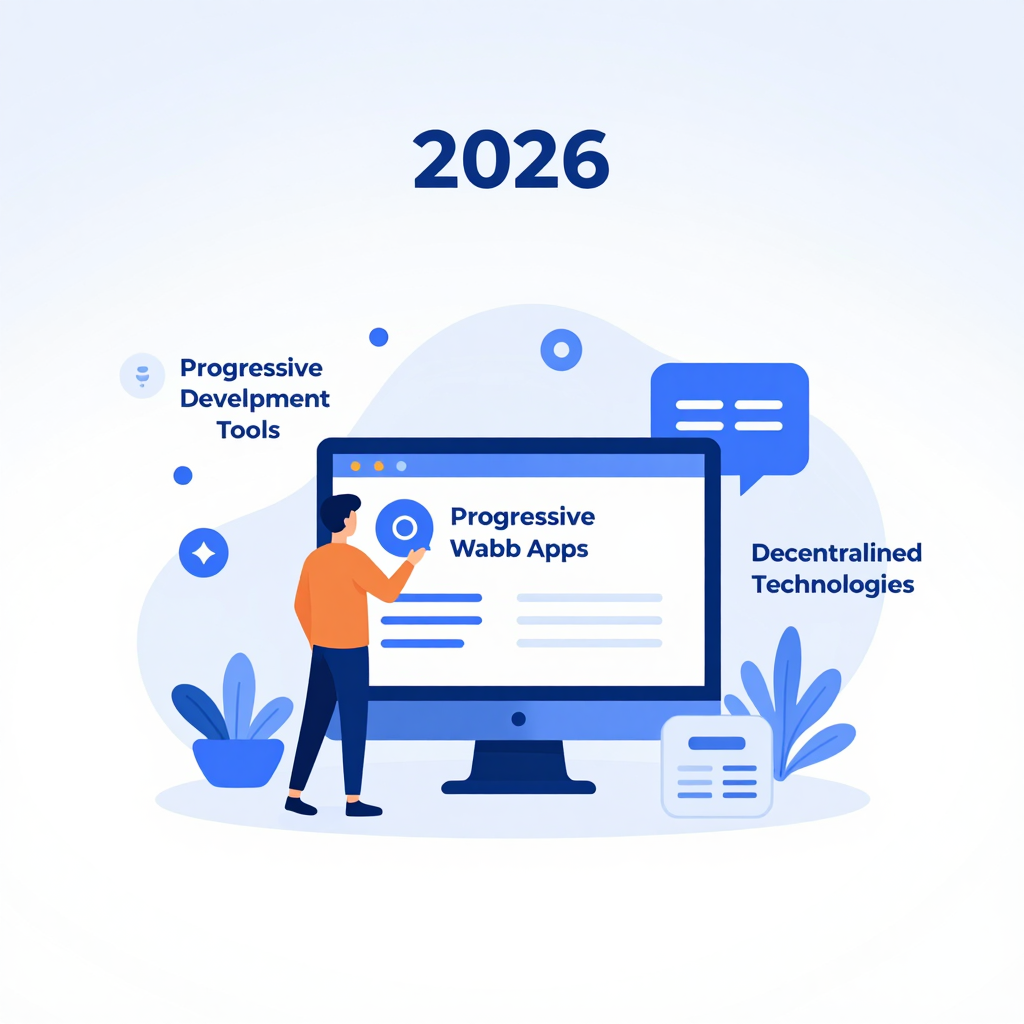
Top Web Development Trends Every Business Must Know in 2026
Top Web Development Trends Every Business Should Know in 2026
Estimated reading time: 5 minutes
Key Takeaways
- AI-powered tools are automating coding tasks and enhancing user engagement.
- Progressive Web Apps (PWAs) are revolutionizing user experience across platforms.
- Serverless architectures and edge computing are optimizing performance and reducing costs.
- Web3 technologies are enhancing transparency and data ownership for users.
- Low-code/no-code solutions are democratizing app development for business users.
Table of Contents
- Introduction
- AI-Powered Development and Automation
- Progressive Web Apps (PWAs) and Single Page Applications (SPAs)
- Serverless Architectures and Edge Computing
- Web3 and Decentralized Technologies
- Advanced Frontend Frameworks and Meta-Frameworks
- Enhanced API-First and Microservices Architecture
- Improved Web Accessibility and Inclusive Design
- Motion UI and 3D Web Experiences
- Enhanced Security Practices
- Low-Code / No-Code Platforms Integration
- Conclusion
- FAQ
Introduction
As we approach 2026, web development is no longer just about building a static website. The landscape is rapidly evolving with frontend and backend technologies transforming at lightning speed. With businesses globally striving to maintain a competitive edge, it’s crucial to stay updated on top web development trends every business should know in 2026. From AI-driven coding tools to decentralized Web3 solutions, modern capabilities are redefining user experience, security, and scalability.
The Indian tech ecosystem and companies worldwide are leveraging these advancements to build powerful, engaging digital platforms. Whether you are a startup founder, CTO, or a digital marketer, understanding these innovations is vital for future-proofing your product. In this article, we perform a detailed trend analysis highlighting how rapid advancements in frontend and backend technologies are shaping the future of web development.
Let’s dive deep into the top web development trends revolutionizing the industry in 2026.
AI-Powered Development and Automation
Artificial intelligence is no longer just a buzzword—it’s becoming an integral part of web development workflows. AI-powered tools help automate code generation, error detection, and performance tuning in real-time.
- How it works: Tools like GitHub Copilot assist developers by suggesting code snippets while writing. AI algorithms analyze project repositories to detect bugs and potential security flaws instantly.
- Business impact: Faster deployment cycles reduce time-to-market and overall costs. Automated personalization and AI chatbots enhance customer engagement, delivering tailored experiences.
Example: Spotify uses AI to optimize its user interface and backend recommendation algorithms to boost user retention and satisfaction globally.
Progressive Web Apps (PWAs) and Single Page Applications (SPAs)
PWAs and SPAs continue to drive superior web and mobile user experiences.
- PWAs: They allow websites to function offline, push real-time notifications, and behave like native apps without app store downloads.
- SPAs: Load content dynamically with a single HTML page, ensuring smooth navigations without full-page reloads.
Businesses are leveraging these technologies to increase customer retention and accessibility.
Example: Flipkart’s PWA resulted in a 70% increase in conversions across browsers, highlighting how PWAs are a game-changer in eCommerce.
Serverless Architectures and Edge Computing
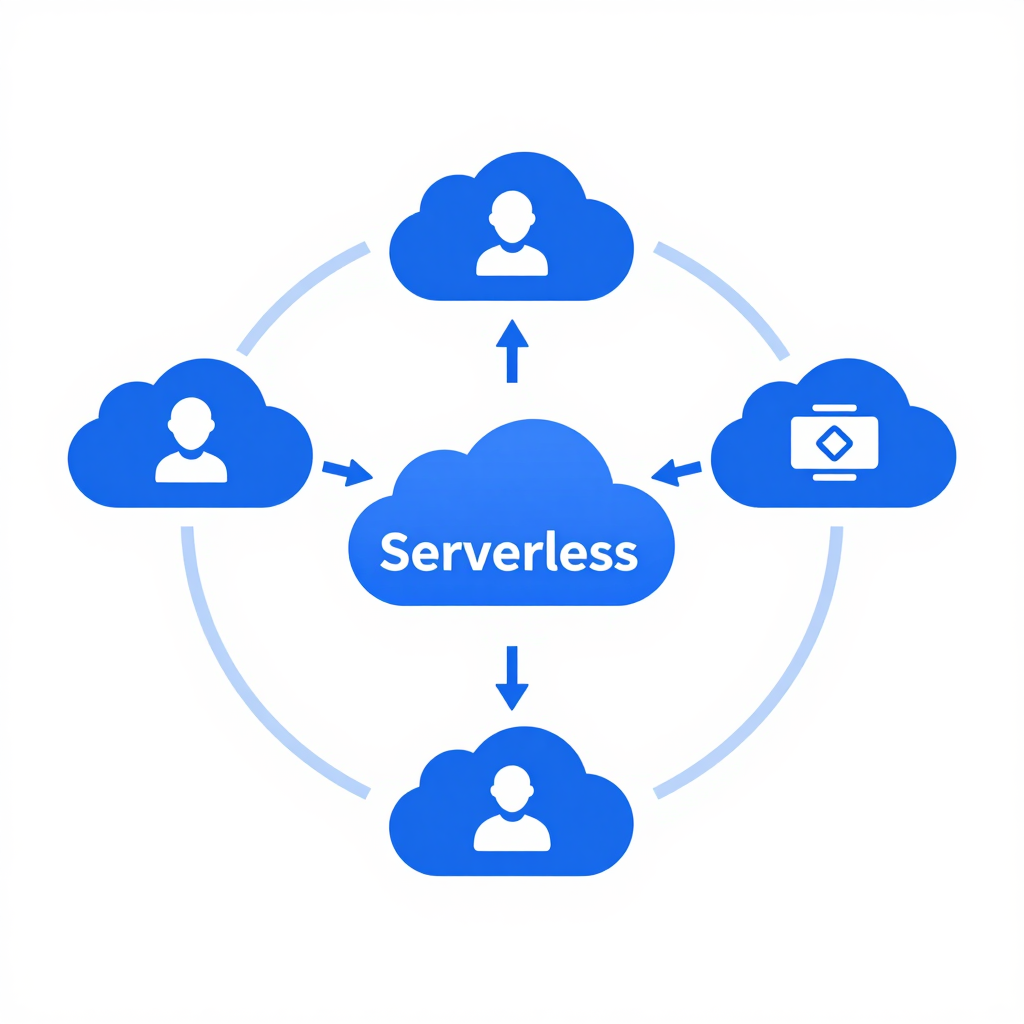
Traditional server management gives way to serverless models and edge computing—deploying applications closer to end-users for lightning-fast performance.
- Serverless: Cloud providers like AWS Lambda allow developers to run backend code without managing servers, scaling automatically with demand.
- Edge Computing: Data processing occurs at the network’s edge, minimizing latency for real-time applications.
Benefits: Reduced operational costs, scalability, and improved user experiences globally.
Case Study: Netflix employs edge servers worldwide to stream content with minimal buffering, elevating the viewing experience for millions.
Web3 and Decentralized Technologies
The advent of Web3 is ushering in a new era of decentralization, transparency, and security.
- Blockchain-based dApps enable users to own and control their data.
- Integration of NFTs, decentralized identities, and marketplaces offers novel business models.
For businesses, embracing Web3 means enabling tamper-proof transactions and creating trustless environments.
Example: OpenSea, one of the largest NFT marketplaces, runs as a decentralized platform empowering artists and collectors alike.
Advanced Frontend Frameworks and Meta-Frameworks
Frontend ecosystems are booming with matured frameworks and rising meta-frameworks improving speed and interactivity.
- Popular frameworks like React, Vue, and Angular are integrating features such as enhanced hydration and server-side rendering.
- New entrants like Solid.js and SvelteKit offer simpler state management and faster rendering for seamless UX.
Benefits to businesses: Efficient development, high-performing interfaces, and easier maintenance.
Enhanced API-First and Microservices Architecture
Modern backend development favors decoupled, modular architectures:
- API-first design ensures backend systems expose REST, GraphQL, or gRPC interfaces.
- Microservices separate functionalities into independent services, facilitating easier updates and scaling.
Business advantages: Agility in development, easier third-party integrations, and improved fault tolerance.
Improved Web Accessibility and Inclusive Design
Web accessibility is becoming non-negotiable as adherence to WCAG 3.0 guidelines is expanding.
- Incorporating screen reader support, keyboard navigation, and color contrast optimizations.
- Accessibility audits are now part of the development lifecycle.
Why it matters: Expands potential user base, boosts SEO rankings, and helps avoid legal risks.
Motion UI and 3D Web Experiences
Advanced graphics via WebGL, WebAssembly, and CSS animations bring rich multimedia and 3D content to web pages.
- Applications in e-commerce (virtual try-ons), education (interactive simulations), and entertainment (immersive storytelling).
- Creates engaging experiences that captivate and retain visitors.
Example: IKEA’s 3D room planner allows users to visualize furniture arrangements in real-time, enhancing buyer confidence.
Enhanced Security Practices
With cyber threats escalating, web security is a prime focus:
- Zero-trust models enforce strict identity verification.
- Content Security Policies (CSP) limit resource usage from unknown domains.
- Automated vulnerability scanning is integrated into continuous integration/continuous deployment (CI/CD) pipelines.
Outcome: Reduces data breaches, safeguards customer information, and builds trust.
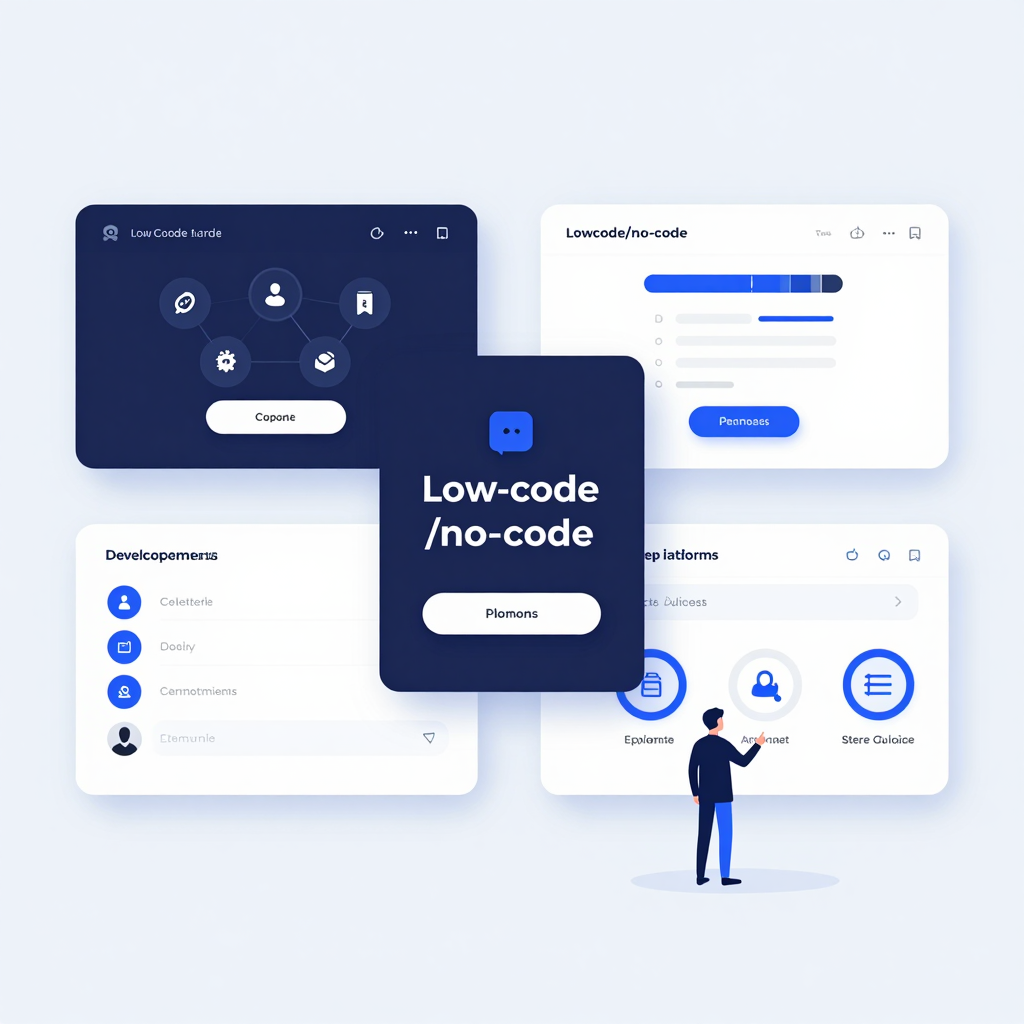
Low-Code / No-Code Platforms Integration
Low-code/no-code tools empower business users to participate directly in building web applications.
- Rapid prototyping without extensive coding knowledge.
- Accelerates innovation cycles and reduces backlog pressure on developers.
Impact: Democratizes development, enabling faster responses to market demands.
Conclusion
The top web development trends every business should know in 2026 underscore a future dominated by AI advancements, decentralized systems, and seamless user experiences. Embracing rapid changes in frontend and backend technologies such as serverless architectures, advanced frameworks, and inclusive design principles will not only boost performance but also user satisfaction and security.
Businesses ready to adopt these modern development capabilities can expect to enhance operational efficiency, gain strategic advantages, and deliver outstanding digital experiences. Stay ahead by integrating these trends into your roadmap today.
Contact us today to leverage these innovations for your next web project!
FAQ
What is the biggest trend in web development for 2026?
AI-powered development and automation stand out due to their ability to speed up coding and improve quality.
How do PWAs improve user experience?
PWAs offer offline access, fast load times, and push notifications, creating app-like experiences directly in web browsers.
Why is serverless architecture important?
It reduces infrastructure management, saves costs, and scales automatically with demand.
How does Web3 affect web development?
Web3 introduces decentralization, improving data security, transparency, and user control.
Are low-code platforms suitable for complex applications?
They are ideal for prototyping and simple applications but may need traditional coding for highly complex solutions.
[Related post: How AI Is Transforming Web Development in 2026]
[Related post: Serverless Architecture Explained – Benefits for Businesses]
Recent Blog
Custom Software vs SaaS: Best Choice for Growing Businesses
Custom Software vs SaaS: Which Is Better for Growing Businesses?…

Agentic AI vs Traditional Automation: Key Changes in 2026
Agentic AI vs Traditional Automation: What’s Changing in 2026? Estimated…
Future of AI Startups Driving the Ongoing Boom
The Future of AI Startups: Why the AI Startup Boom…