:
:  :
:  CUBICLES CODERS PVT LTD
Build a Multi-Vendor Marketplace for Startup Success
Build Your Own Multi-Vendor Marketplace Like Amazon: A Startup’s Guide to Thriving in the Marketplace Economy
Estimated reading time: 8 minutes
Key Takeaways
- The marketplace economy is rapidly expanding, offering lucrative opportunities for startups.
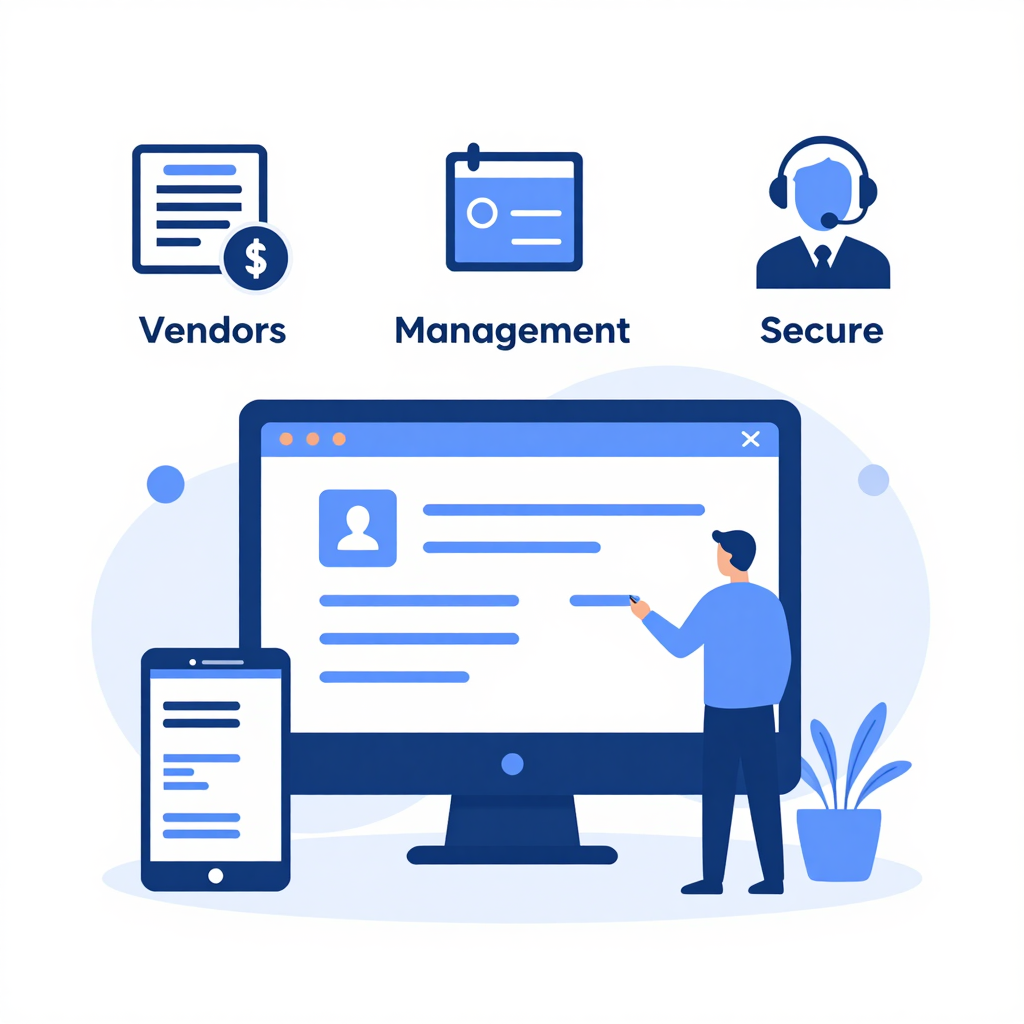
- Essential features for a successful multi-vendor platform include vendor management, secure payments, and customer support.
- Startups should focus on market research, technology stack selection, and clearly defining their business model.
- Address potential challenges such as vendor quality control and technology integration early on.
- Future trends like AI, social commerce, and sustainability are reshaping marketplace development.
Table of Contents
Introduction

The marketplace economy is growing rapidly, reshaping how businesses and consumers interact globally. Platforms like Amazon have revolutionized retail by creating online spaces where multiple vendors can offer a diverse range of products to a vast audience. For startups aiming to break into e-commerce, building your own multi-vendor marketplace like Amazon presents a lucrative opportunity to leverage this booming economy.
In this article, we explore the fundamentals of eMarketplace development, discuss why the marketplace economy is an ideal environment for startups, and offer a strategic roadmap for launching a successful multi-vendor platform. Whether you’re targeting niche markets or planning to evolve into a broad marketplace, understanding the latest trends and development essentials will empower your startup to compete effectively.
The growing global internet access and the rise of mobile commerce have further accelerated marketplace expansion, making now a perfect time for startups worldwide—including in India—to capitalize on these evolving consumer behaviors.
The Marketplace Economy: Growth and Opportunity

The surge of marketplace platforms is no coincidence—it is driven by significant shifts in consumer and vendor behaviors. Here’s why the marketplace economy is a powerful space for startups:
- Massive Market Potential: The global online marketplace revenue is projected to reach hundreds of billions of dollars soon. This growth is fueled by more users shopping online and vendors seeking accessible sales channels.
- Changing Consumer Preferences: Millennials and Gen Z prefer online marketplaces due to the convenience, wide product variety, and competitive pricing they offer.
- Vendor Empowerment: Marketplaces allow small and medium businesses direct access to a large customer base with lower upfront investment compared to starting independent e-commerce stores.
- Multiple Revenue Streams: Successful marketplaces earn not only through commissions on sales but also via seller subscriptions, advertising, listing fees, and value-added services like premium placement and fulfillment assistance.
For startups, tapping into these trends offers scalable revenue potential and a resilient business model.
Essential Features for a Successful Multi-Vendor Marketplace
Building a complex platform like Amazon requires incorporating a suite of robust features to satisfy vendors and buyers alike. Below are key features every startup should prioritize:
- Vendor Registration and Management: A seamless onboarding process with KYC verification ensures vendor credibility. Vendors need dashboards to manage inventories, sales data, and performance insights efficiently.
- Product Listings: Support diverse product types, bulk upload options, and SEO-optimized pages with images and videos to enhance visibility.
- Search and Discovery: Implement advanced search filters (price, reviews, category) and personalized product recommendations to improve user experience and sales conversion.
- Secure Payments and Commission Setup: Integrating multiple payment gateways (Stripe, PayPal, etc.) with automatic commission calculations and timely payouts is critical. Features like escrow protect buyers and reduce disputes.
- Order and Shipping Management: Real-time order tracking and flexible fulfillment options—vendors manage delivery or integrate with logistics partners—for transparency and efficiency.
- Reviews and Ratings: Reliable, transparent review systems build trust. Buyer feedback and clear dispute resolution enhance buyer confidence.
- Customer Support: Multichannel support services powered by chatbots or AI assist with common queries and enhance satisfaction.
- Mobile-First Design: Responsive design and dedicated apps for buyers and sellers keep your marketplace accessible on all devices.
These foundational features will position your startup marketplace for long-term success.
Steps to Develop Your Multi-Vendor Marketplace
Developing a marketplace platform demands careful planning and execution. Follow these startup-focused steps:
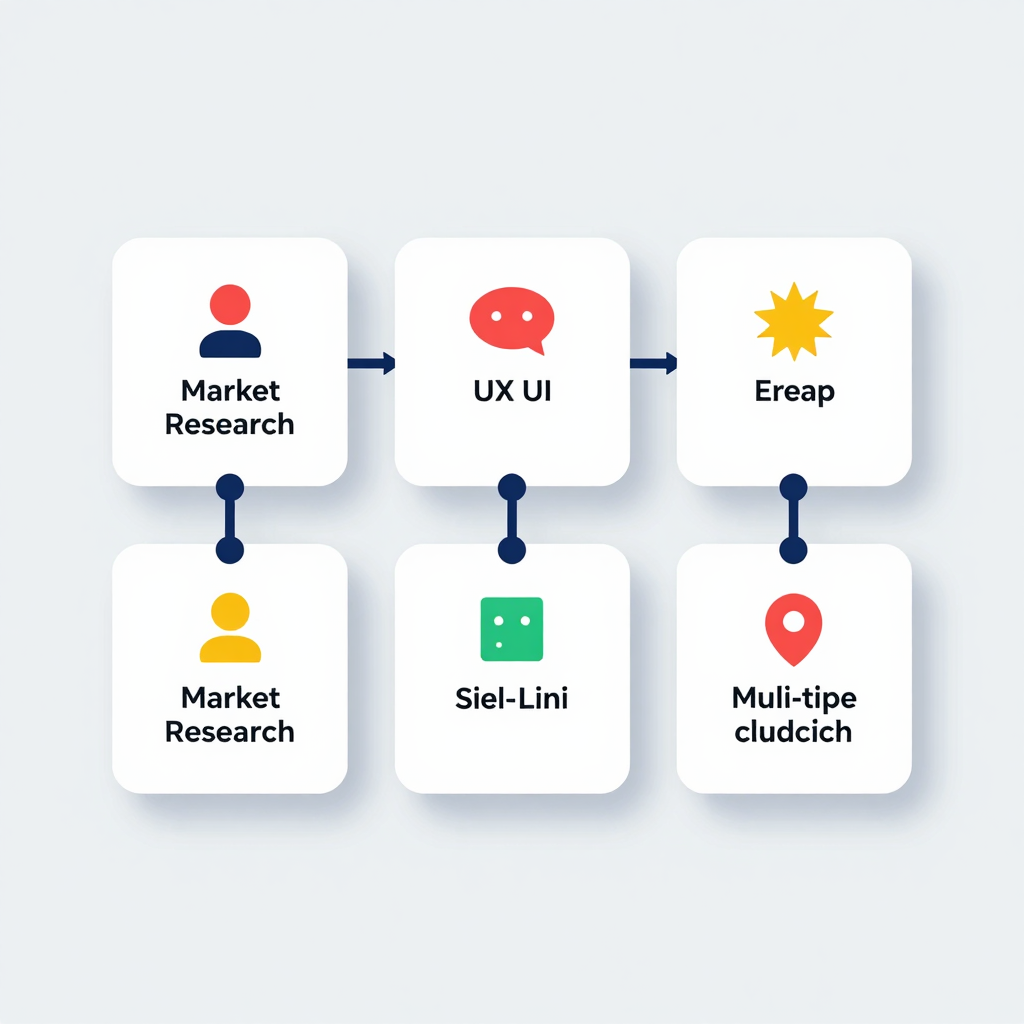
1. Market Research and Niche Selection
Pinpoint the specific market gaps and customer pain points. Analyze competitors and identify your unique value proposition.
2. Define Your Business Model
Choose between B2C, B2B, or C2C models. Decide on commission strategies, subscription plans, and additional income channels like ads or premium features.
3. Technology Stack Selection
Evaluate platforms based on your startup’s technical capabilities and budget. Options include:
- From Scratch: Full custom solutions offer maximum flexibility but require more time.
- Marketplace Software: Quicker to market using SaaS or open-source options.
- Headless CMS: Flexibility for omni-channel experiences.
Choose backend frameworks like Node.js, Python Django, or Ruby on Rails, coupled with frontend libraries like React or Vue.js. Database choices hinge on your data complexity (SQL vs. NoSQL). Payment integration with options like Stripe or PayPal tailored for your target regions (e.g., Razorpay in India) is also essential.
4. UX/UI Design
Create intuitive user flows with clear onboarding for vendors and buyers, ensuring mobile responsiveness as a foundational principle.
5. Development & Testing
Adopt agile methodologies to iterate quickly. Focus on automated testing (particularly payment and security), followed by beta testing with a limited vendor and customer group.
6. Launch & Marketing
Start with an MVP focusing on core functionalities. Deploy digital marketing strategies, including:
- SEO optimized content
- Social media campaigns
- Paid ads targeting vendors and buyers
Incentivize vendor signing through discounts or special features.
7. Scale and Enhance
Use customer insights to progressively introduce AI-powered personalization, add new services, and expand geographically with localized languages and payments.
Following this roadmap meticulously lowers risks and builds a strong foundation for a scalable startup marketplace.
Challenges to Anticipate
While promising, the path to building a multi-vendor marketplace has notable challenges:
- Vendor Quality Control: Balancing rapid onboarding with trust and quality assurance is critical to maintaining platform integrity.
- Platform Trust: Ensuring secure transactions, reliable shipping, and responsive customer service builds loyalty.
- Commission vs. Pricing: Finding the sweet spot for fees to monetize sustainably without driving away competitive sellers is vital.
- Technology Integration: Handling multiple third-party systems—payments, logistics, analytics—requires robust architecture and consistent monitoring.
Addressing these challenges early through well-defined policies and technology choices ensures smoother scaling.
Future Trends in Marketplace Development
Looking ahead, several trends will define the marketplace economy’s next phase:
- AI and Machine Learning: Personalized shopping experiences, fraud detection, and dynamic pricing will enhance competitiveness.
- Social Commerce: Integration of marketplaces with social media platforms to tap into influencer marketing and instant purchasing.
- Sustainability Focus: Eco-friendly packaging and green logistics becoming part of marketplace offerings.
- Augmented Reality (AR): Enabling customers to “try before they buy” virtually.
- Niche Marketplaces: Growing demand for specialized marketplaces catering to specific interests or regions, which startups can exploit.
Embracing these trends can give startups a competitive edge in building next-gen marketplaces.
Conclusion
Building your own multi-vendor marketplace like Amazon is a high-potential startup venture that leverages the booming marketplace economy and the evolving digital shopping habits worldwide. With a clear business model, a strong technology stack, seamless user experience, and a well-planned launch strategy, startups can create vibrant ecosystems that empower vendors and delight customers.
Are you ready to develop your multi-vendor marketplace and shape the future of commerce? Contact us today to get expert guidance, technical solutions, and marketing strategies tailored for your startup’s success!
FAQ
What is a multi-vendor marketplace?
A platform where multiple independent sellers list and sell products to customers through a shared online storefront.
Why is the marketplace economy growing so fast?
Due to increased internet access, mobile commerce, variety preferences, and vendor accessibility, marketplaces cater efficiently to these evolving needs.
Can startups build marketplaces without a huge budget?
Yes, leveraging SaaS marketplace platforms or open-source software helps startups launch with lower upfront development costs.
How do marketplaces make money?
Primarily through commissions on sales, subscription fees, listing fees, advertisements, and premium seller services.
What technology stack is ideal for marketplace development?
Popular backend frameworks include Node.js and Django; frontend options include React and Vue.js. Payment gateways like Stripe and PayPal simplify transactions.
Recent Blog

How AI Chatbots Improve Customer Support and Sales
How AI Chatbots Improve Customer Support & Sales: Unlocking the…

10 Signs Your SME Needs Custom Software Now
10 Signs Your Business Needs a Custom Software Solution Estimated…
How Cloud Infrastructure Cuts IT Costs for Growing Businesses
How Cloud Infrastructure Reduces IT Costs for Growing Companies: A…