:
:  :
:  CUBICLES CODERS PVT LTD
How AI Chatbots Improve Customer Support and Sales
How AI Chatbots Improve Customer Support & Sales: Unlocking the Power of Conversational AI

Estimated reading time: 8 minutes
Key Takeaways
- AI chatbots enhance customer interaction by providing seamless and personalized experiences.
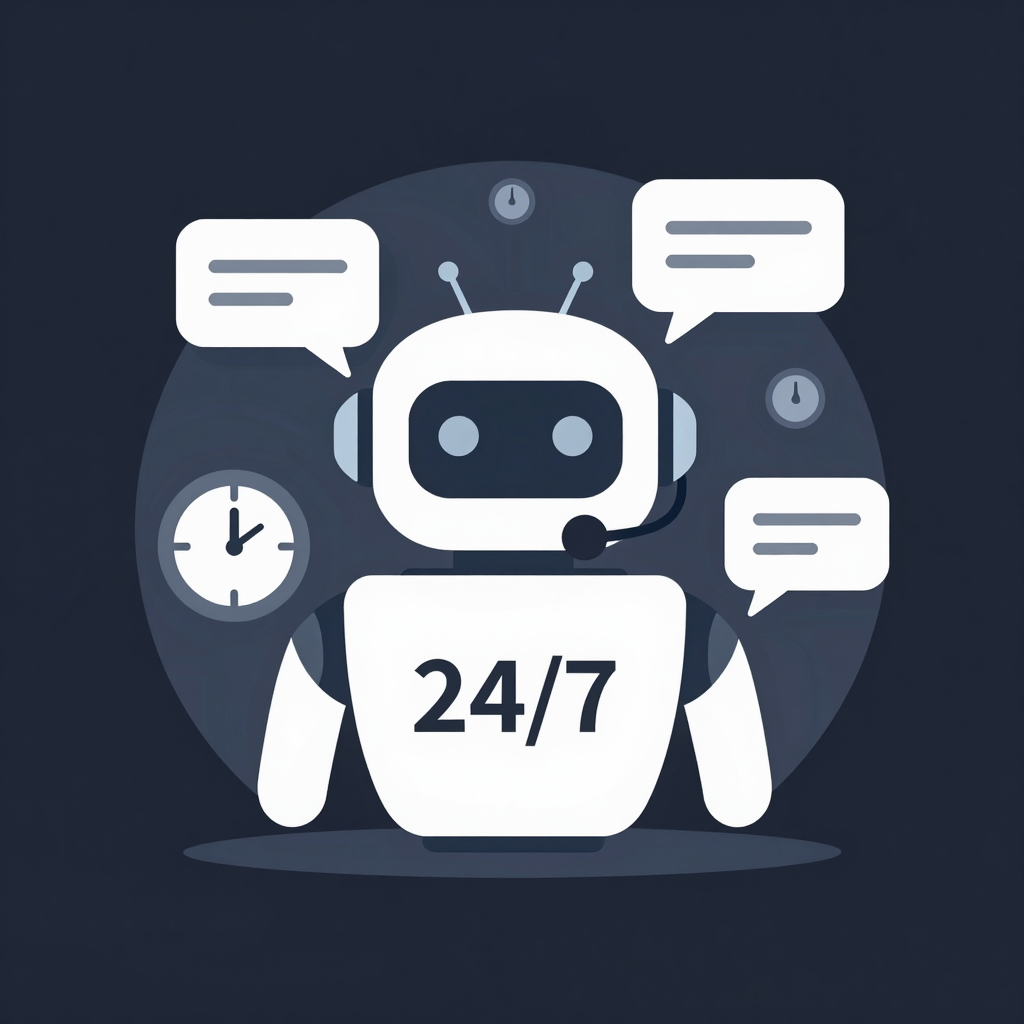
- 24/7 availability significantly boosts customer satisfaction and retention.
- AI chatbots reduce operational costs by automating routine queries.
- Incorporating AI chatbots supports lead generation and qualification effectively.
- Future advancements promise deeper emotional understanding and integration with emerging technologies.
Table of Contents
- Introduction
- The Conversational AI Trend: Revolutionizing Customer Engagement
- How AI Chatbots Improve Customer Support & Sales
- Use Case Examples Across Industries
- Popular AI Solutions for Chatbots: Choosing the Right Platform
- Steps to Implement AI Chatbots Successfully
- Future of AI Chatbots: What to Expect
- Conclusion
- FAQ
Introduction
In today’s fast-paced digital world, businesses are on the constant lookout for innovative solutions that can enhance customer support and boost sales. One such game-changing technology is AI chatbots—powered by conversational AI that is transforming how organizations interact with their customers. But how AI chatbots improve customer support & sales is more than just a question of technology—it’s a matter of creating seamless, personalized experiences that drive satisfaction and revenue.
Across India and globally, companies from startups to enterprises have embraced AI chatbots, recognizing their potential to provide 24/7 assistance, reduce operational costs, and accelerate sales cycles. In this article, we’ll explore the conversational AI trend, highlight compelling use case examples, review top AI solutions, and discuss why integrating AI chatbots is no longer optional but essential in today’s customer-centric markets.
Are you ready to discover the strategies behind deploying AI chatbots that truly make a difference? Let’s dive in!
The Conversational AI Trend: Revolutionizing Customer Engagement

Conversational AI is rapidly becoming a cornerstone of digital interactions. What’s driving this surge?
- Rising Adoption Across Industries: From ecommerce and finance to healthcare and telecom, businesses are investing heavily in conversational platforms. The global conversational AI market is expected to grow at a compound annual growth rate (CAGR) of over 20% in the next five years.
- Advances in Natural Language Processing (NLP): Modern chatbots no longer respond robotically. Powered by sophisticated NLP models, chatbots understand context, sentiment, slang, and even complex queries, resulting in more natural and meaningful conversations.
- Multilingual Support: In diverse markets such as India, AI chatbots break language barriers by supporting multiple languages and dialects, ensuring wider reach and inclusivity.
- Omnichannel Integration: Customers engage on websites, apps, social media, and messaging platforms. Conversational AI enables chatbots to provide a seamless experience across these multiple touchpoints.
- Focus on User Experience (UX): Emotional intelligence and human-like interactions in chatbots reduce frustration and build trust, enhancing user engagement and loyalty.
This trend signifies a fundamental shift from traditional scripted chatbots to dynamic, intelligent assistants that enrich every phase of the customer journey.
How AI Chatbots Improve Customer Support & Sales
Let’s break down the key ways AI chatbots drive impactful improvements in support and sales:
1. 24/7 Availability
AI chatbots ensure your customers get assistance anytime, anywhere—no more waiting for office hours. This constant availability significantly improves satisfaction and reduces abandonment rates.
2. Faster Response Times
Chatbots can simultaneously handle thousands of queries, slashing wait times from minutes to seconds. Quick responses solve problems faster, increasing customer loyalty.
3. Cost Reduction
By automating answers to common questions and routine requests, businesses lower staffing costs without compromising service quality.
4. Personalized Customer Experiences
Using AI insights and CRM integration, chatbots tailor product recommendations and communication based on user preferences and behaviors—making interactions feel personal.
5. Lead Generation & Qualification
Chatbots actively engage website visitors by asking qualifying questions, capturing essential data, and filtering high-potential leads for sales teams to prioritize.
6. Seamless Sales Assistance
From product selection to checkout, chatbots guide users through the sales funnel, offering incentives like discounts and upselling opportunities that drive revenue growth.
7. Data Collection & Insights
Every interaction with a chatbot provides valuable data about customer preferences, pain points, and behavior patterns that can inform product development and marketing strategies.
These benefits collectively empower businesses to deliver exceptional service while driving sales effectiveness.
Use Case Examples Across Industries
AI chatbots have proven their value across diverse sectors. Here are some real-world use cases demonstrating their versatility:
| Industry | Use Case | Benefit |
|---|---|---|
| E-commerce | Product recommendations & cart assistance | Increased sales, reduced cart abandonment |
| Banking | Balance inquiries, fraud detection alerts | Quick, secure support & improved customer trust |
| Healthcare | Appointment booking & symptom checking | Saves time, reduces administrative burden |
| Telecommunications | Service troubleshooting & plan upgrades | Faster problem resolution & higher retention |
| Travel & Hospitality | Booking management & travel advisories | Improved customer experience & loyalty |
| Education | Enrollment information & exam schedules | Streamlined info dissemination |
For example, a leading ecommerce platform reported a 30% increase in conversion rates after implementing a chatbot that provided personalized product suggestions and expedited checkout processes. Similarly, banks use chatbots for instant fraud alerts, preventing losses and enhancing trust.
Whether it’s reducing operational burdens or improving customer journeys, AI chatbots deliver tangible benefits across industries.
Popular AI Solutions for Chatbots: Choosing the Right Platform
Selecting the right AI chatbot platform is crucial. Here’s a quick overview of some of the most popular solutions:
| Solution | Key Features | Ideal Use Cases |
|---|---|---|
| Dialogflow (Google) | Superior NLP, multilingual, Google ecosystem integration | Broad industry use, voice & text bots |
| Microsoft Bot Framework | Multimodal interaction, Azure integration | Enterprise-grade applications |
| IBM Watson Assistant | AI dialog management, analytics, pre-built content | Complex workflows, customer experience |
| Rasa | Open-source, highly customizable, on-premise | Privacy-sensitive, custom solutions |
| ChatGPT API (OpenAI) | Advanced context understanding, fine-tuning | Conversational sales & support bots |
| Zendesk Answer Bot | CRM and customer support system integration | Support-centric small to mid businesses |
Each platform offers unique strengths. For instance, ChatGPT API is ideal for businesses seeking advanced conversational abilities, while Rasa appeals to companies emphasizing data privacy and flexibility to build custom workflows.
By evaluating features, scalability, industry fit, and ecosystem support, businesses can implement AI chatbots that align perfectly with their needs.
Steps to Implement AI Chatbots Successfully
Implementing a chatbot effectively requires a strategic approach:
- Define Objectives: Identify what you want to achieve—improved customer support, increased sales, or both.
- Choose the Right Platform: Evaluate chatbot solutions based on your industry, budget, and AI needs.
- Design Conversational Flows: Map out user journeys and design natural, helpful responses.
- Integrate with Existing Systems: Ensure chatbots connect with CRM, databases, and sales tools.
- Train with Data: Use real customer queries and interactions to optimize chatbot understanding.
- Test Thoroughly: Conduct extensive testing across different scenarios and channels.
- Launch and Monitor: Deploy chatbot and continuously track performance metrics.
- Iterate and Improve: Use analytics and customer feedback to refine chatbot interactions and capabilities.
Following these steps will maximize your chatbot’s impact and customer satisfaction.
Future of AI Chatbots: What to Expect
Looking ahead, AI chatbots will evolve dramatically:
- Increased Emotional Intelligence: Future bots will better recognize emotions and respond empathetically, providing a more human touch.
- Deeper Personalization: AI will integrate data from multiple sources—social, behavioral, transactional—for hyper-personalized experiences.
- Voice Interaction Growth: Voice-enabled chatbots and assistants will gain prominence, catering to hands-free and accessibility needs.
- Integration with IoT and AR: Chatbots will interact with smart devices and augmented reality environments, enriching user experiences.
- Advanced Automation: AI-driven chatbots will autonomously resolve more complex issues, working alongside human agents for high-value interactions.
Staying ahead of these trends will give businesses a competitive edge in customer support and sales innovation.
Conclusion
How AI chatbots improve customer support & sales goes beyond simple automation—they transform business interactions with speed, personalization, and intelligence. Embracing the conversational AI trend helps companies deliver superior experiences, reduce costs, and accelerate revenue growth. Whether you’re in ecommerce, healthcare, finance, or any sector, integrating AI chatbot solutions is a proven strategy for future-ready customer engagement.
Don’t get left behind in this AI revolution. Contact us today to explore tailored AI chatbot solutions that will elevate your customer support and sales performance!
FAQ
Can AI chatbots completely replace human support agents?
AI chatbots excel at handling routine inquiries, but complex or emotionally sensitive issues still benefit from human interaction. The best approach combines AI efficiency with human empathy.
How do chatbots handle language diversity?
Modern chatbots use multilingual NLP models that understand and respond in various languages and dialects, expanding reach and accessibility.
What industries benefit most from AI chatbots?
Virtually all industries can benefit, especially retail, finance, healthcare, telecom, travel, and education—where fast, personalized communication is critical.
Are AI chatbots secure for handling sensitive data?
Yes, especially when deployed on secure, privacy-compliant platforms with encryption and data governance measures in place.
How quickly can a business implement an AI chatbot?
Implementation time varies from weeks to a few months depending on complexity and integration requirements, but many solutions offer fast deployment options.
Recent Blog

Build a Multi-Vendor Marketplace for Startup Success
Build Your Own Multi-Vendor Marketplace Like Amazon: A Startup’s Guide…
10 Signs Your SME Needs Custom Software Now
10 Signs Your Business Needs a Custom Software Solution Estimated…
How Cloud Infrastructure Cuts IT Costs for Growing Businesses
How Cloud Infrastructure Reduces IT Costs for Growing Companies: A…