:
:  :
:  CUBICLES CODERS PVT LTD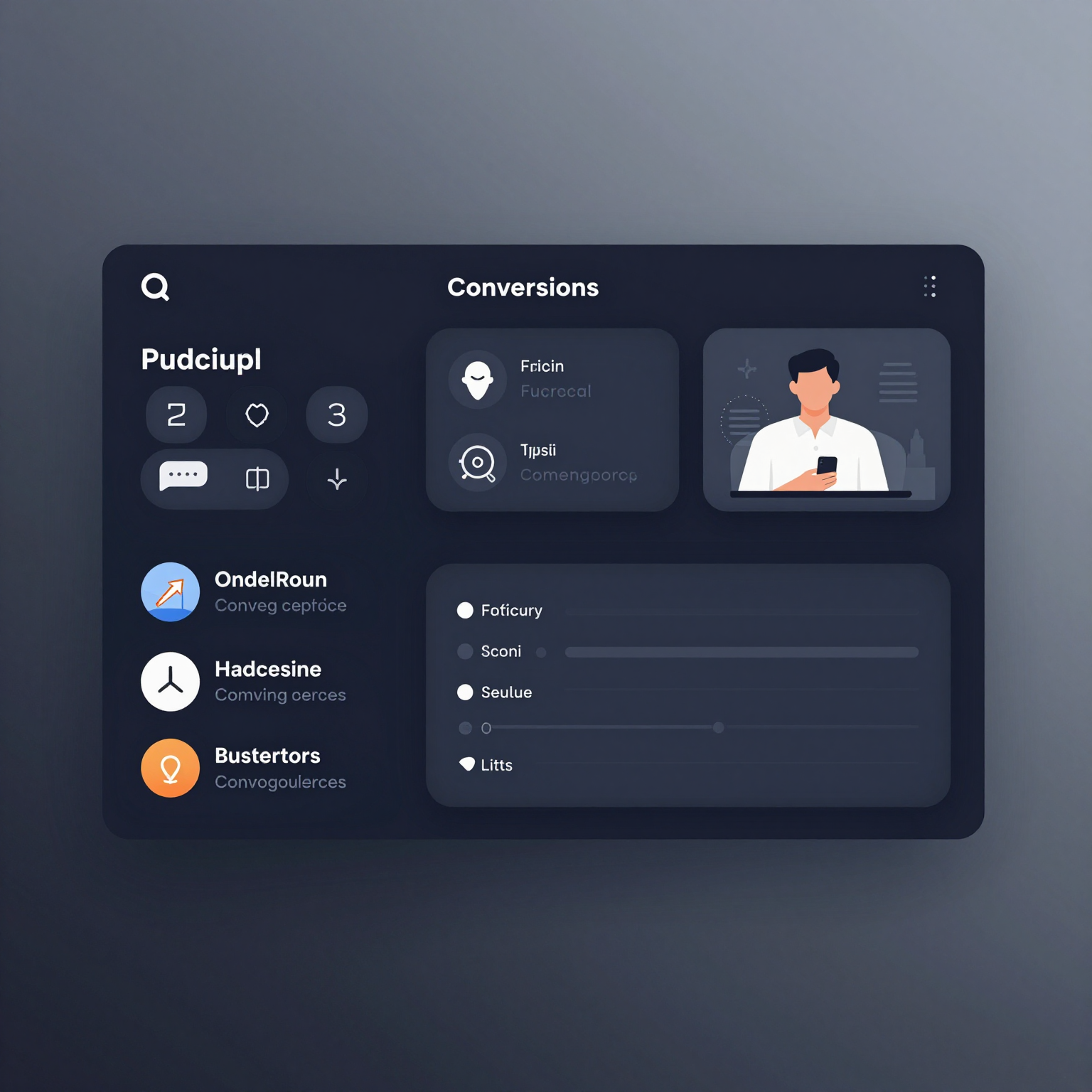
Top UI/UX Design Trends Driving Conversions in 2024
Top UI/UX Design Trends for Modern Applications: How User Experience Drives Conversions and Showcases Design Capabilities
Estimated reading time: 8 minutes
Key Takeaways
- User experience is critical for app success and conversions.
- Dark mode and personalized themes improve user engagement.
- Microinteractions enhance usability and brand perception.
- AI-driven UX tailors experiences, boosting relevance and satisfaction.
- Inclusive design ensures accessibility for a wider audience.
Table of Contents
Introduction
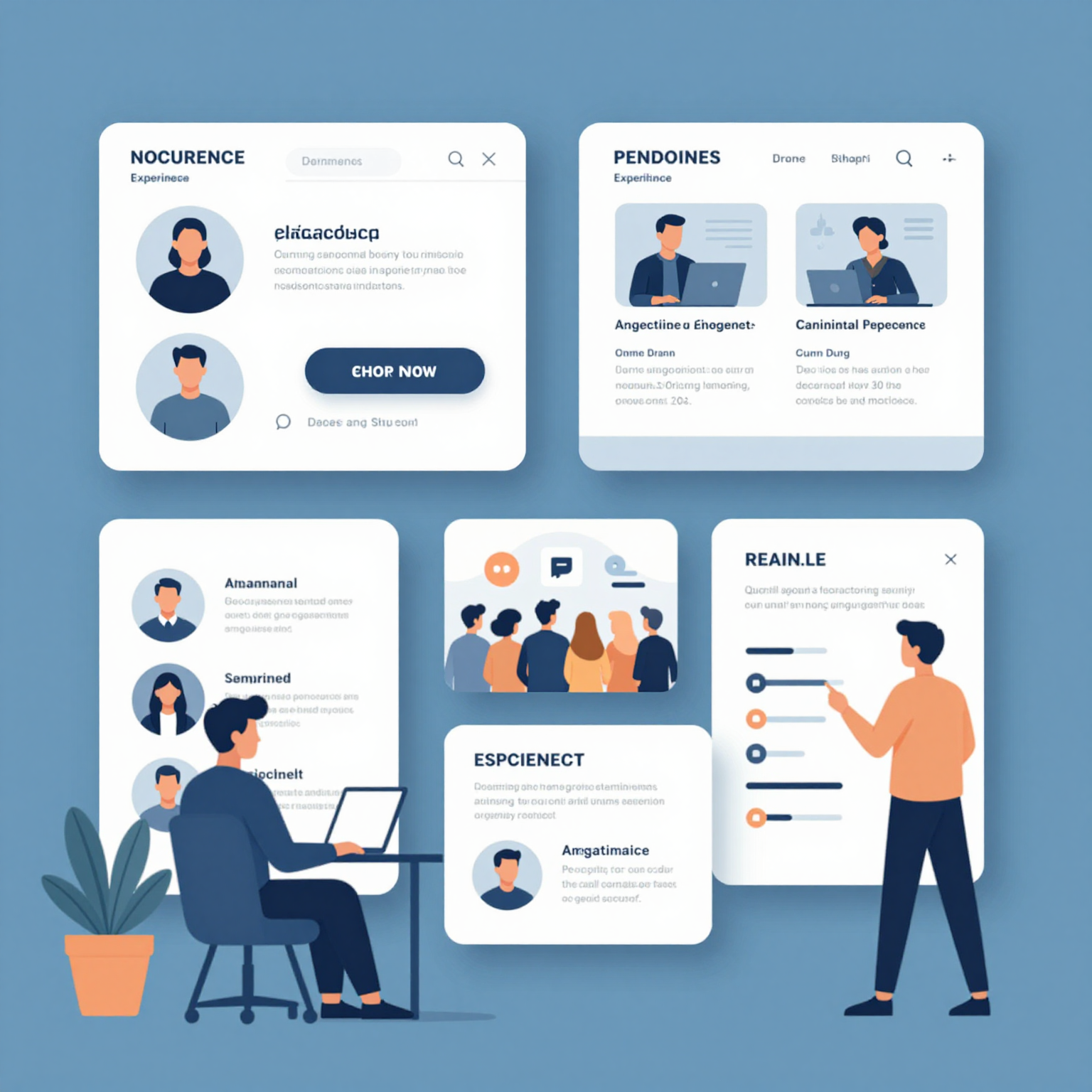
In today’s fast-paced digital world, the *user experience* (UX) is more crucial than ever in determining the success of modern applications. Whether you’re developing a mobile app, website, or enterprise software, the design interface is often the first point of interaction between users and your brand. **Top UI/UX design trends for modern applications** are not just about aesthetics—they directly influence usability, engagement, and most importantly, conversions. From startups in India’s burgeoning tech ecosystem to global giants, companies recognize that **user experience drives conversions** and highlights their commitment to innovation.
This article dives deep into the latest UI/UX trends that are reshaping how applications function and feel. We’ll explore how these trends emphasize design, enhance accessibility, and ultimately showcase design capabilities that set products apart from the competition. Whether you’re a designer, developer, or business owner, understanding these trends will help you craft digital experiences that captivate and convert.
Dark Mode & Custom Themes: Personalization Meets Practicality

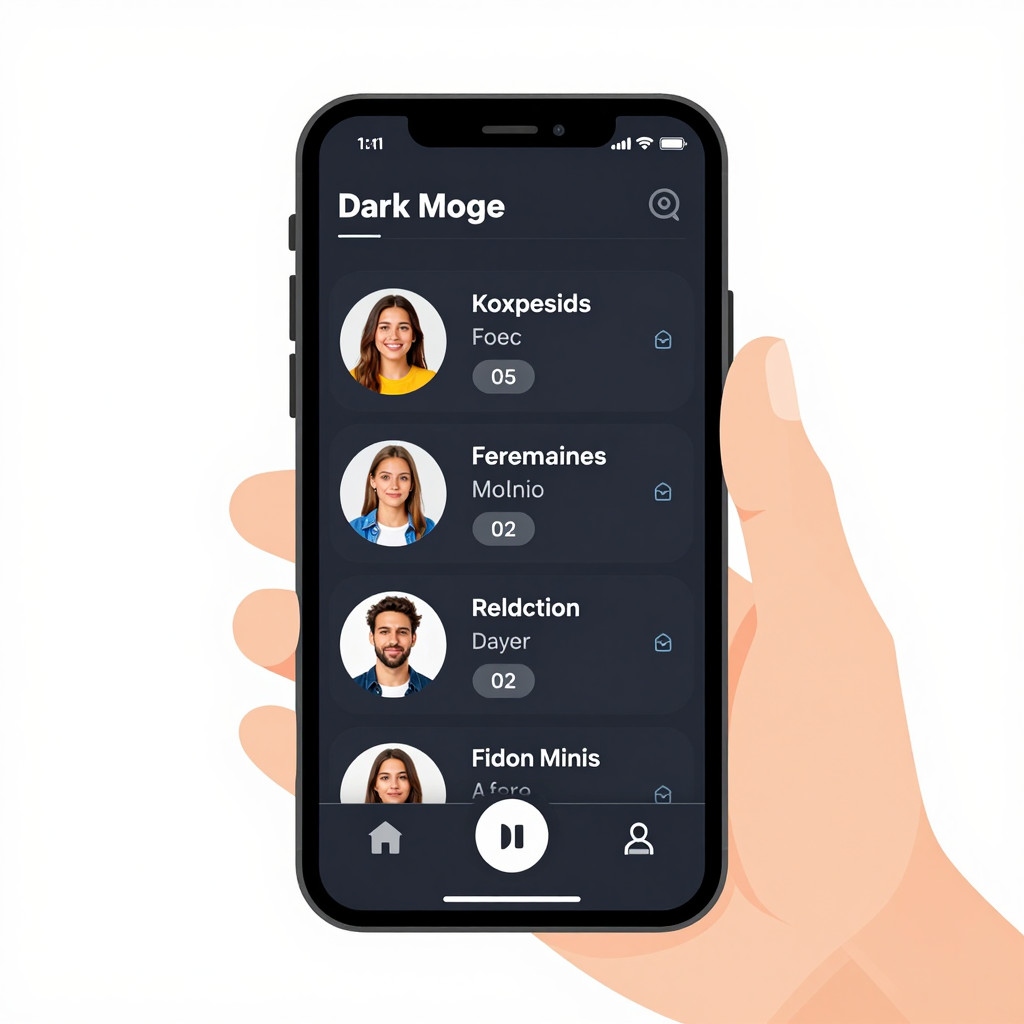
Dark mode has skyrocketed in popularity due to its blend of aesthetic appeal and functional benefits. It reduces eye strain during prolonged use and conserves battery life, which is vital for mobile users. More importantly, allowing users to switch between light and dark modes—or even customize themes—adds a layer of personalization that fosters emotional connection and satisfaction.
Personalized themes tap into the user’s desire to make interfaces feel familiar and enjoyable, thereby increasing the likelihood of longer engagement and higher conversion rates. For example, apps like Instagram and Twitter have successfully integrated these options to meet user preferences globally.
Neumorphism (Soft UI): Blurring the Lines Between Real & Digital
Neumorphism combines aspects of skeuomorphism and flat design to create *soft, tactile interfaces*. It uses subtle shadows and highlights to give elements a raised or inset look, enhancing visual depth while maintaining minimalism. This trend is both modern and natural, offering users a sense of familiarity without the clutter.
Brands focusing on clean yet engaging aesthetics—such as fintech apps—use neumorphism to make interfaces inviting and user-friendly. It also helps designers showcase their capabilities by balancing creativity with usability principles.
The Power of Microinteractions: Small Animations, Big Impact
Ever noticed a tiny animation when you “like” a post or toggle a button? These are **microinteractions**, and they play an outsized role in boosting conversions. These subtle animations provide immediate feedback to users, indicating that an action has been recognized. They guide users through processes intuitively, reducing confusion and making tasks feel more rewarding.
Retail apps and SaaS platforms alike employ microinteractions to gently nudge users towards desired actions, such as completing a purchase or sharing content. Not only do they enhance usability, but they also create moments of delight that improve overall brand perception.
Voice User Interfaces (VUI): Redefining Accessibility and Hands-Free Convenience
Voice User Interfaces are becoming increasingly prevalent, thanks to smart assistants like Alexa, Siri, and Google Assistant. Integrating voice commands into applications expands accessibility for users with disabilities and offers a convenient hands-free experience. This trend revolutionizes interaction designs by simplifying complex processes through natural language.
Businesses in sectors like healthcare and automotive are leveraging VUIs to provide safer, more efficient services (e.g., voice-operated diagnostics or infotainment systems). This trend highlights how modern design is shifting towards inclusivity and ease of use.
3D Elements and Immersive Scrolling: Engaging Users with Depth
Adding 3D visuals, parallax effects, and immersive scrolling techniques creates captivating user journeys that hold attention longer. These elements introduce a sense of realism and interactivity that flat interfaces struggle to achieve. For e-commerce platforms, 3D product models allow customers to explore items from all angles, increasing confidence and conversions.
In media and entertainment apps, immersive scrolling can tell a visual story as the user navigates, making the experience memorable and encouraging return visits.
Personalization & AI-driven UX: Crafting Experiences That Feel Made Just for You
AI is no longer a futuristic concept; it’s an integral part of modern UI/UX design. By analyzing user behavior, AI algorithms customize content, interface layouts, and interaction flows in real time. This tailored approach boosts relevance and satisfaction, enhancing the chances of conversion.
Streaming services like Netflix and ecommerce giants such as Amazon rely heavily on these AI-driven features to recommend products and content dynamically. Personalized UX signals to users that the application understands and anticipates their needs.
Minimalism & White Space: Clarity Through Simplicity
With users overwhelmed by information overload, *minimalist design* offers a breath of fresh air. Clean layouts and generous white space reduce cognitive load and naturally guide users’ attention to important actions and content. This trend is especially dominant in corporate and financial applications, where clear communication is paramount.
By focusing on essential elements and avoiding clutter, minimalist interfaces enhance usability while elevating a brand’s sophistication and professionalism.
Glassmorphism: Depth Without Distraction
Glassmorphism introduces semi-transparent components with blur effects that create layers and depth while maintaining simplicity. This style adds a modern, polished look that feels spacious yet textured. Popularized by major OS updates and design kits, glassmorphism is perfect for splash screens, modal windows, and dashboards.
This trend allows designers to showcase advanced visual skills while improving the user’s ability to focus and navigate efficiently.
Augmented Reality (AR) Integration: Bridging Real and Digital Worlds
AR has moved beyond novelty to practical application, especially in e-commerce, gaming, and education. By blending digital overlays with the real environment, AR enables users to interact with products or content in entirely new ways. For example, furniture retailers offer AR apps where users can visualize how a sofa fits in their living room before purchase, reducing return rates.
Incorporating AR into modern applications demonstrates cutting-edge design capability and caters to users eager for immersive experiences.
Inclusive & Accessible Design: Designing for Everyone
The future of UI/UX includes designing for *all* users, including those with disabilities. Accessibility features such as screen reader compatibility, keyboard navigation, and color contrast adjustments make applications usable for a wider audience. This builds trust, expands market reach, and can improve SEO rankings.
Inclusive design is not just a trend but a responsibility—one that forward-thinking businesses embrace to foster diversity and inclusion.
Why These Trends Matter
- User experience drives conversions: By implementing these UI/UX trends, applications provide smoother navigation, higher engagement, and better user satisfaction—all crucial for converting visitors into loyal users.
- Design-focused interfaces: Modern UI/UX trends signify a brand’s innovation and user-centric philosophy, strengthening credibility.
- Showcase design capabilities: Adopting cutting-edge trends publicly demonstrates expertise, attracting clients, investors, and partnerships.
Real-World Examples Across Industries
- Finance: Neumorphic dashboards simplify monitoring investments while microinteractions confirm transactions.
- Healthcare: VUIs improve accessibility, enabling hands-free chart navigation for clinicians.
- Retail: AR apps increase online shopping confidence by allowing product visualization in real environments.
- Media: Minimalism paired with immersive scrolling creates enjoyable, distraction-free content exploration.
- Tech Startups: AI-driven personalization ensures a seamless onboarding experience tailored to individual preferences.
Step-by-Step Guide: Implementing These Trends in Your Application
- Research Your Users: Understand their needs and preferred devices.
- Choose Impactful Trends: Prioritize based on your audience and app type.
- Prototype Designs: Create interactive mockups integrating trends like dark mode or microinteractions.
- Test Accessibility: Ensure compliance with WCAG standards.
- Implement AI Personalization: Use behavioral data to customize experiences.
- Optimize Performance: 3D and animations should not hinder loading speed.
- Gather User Feedback: Iterate design based on real usage.
- Launch and Monitor: Track engagement and conversion metrics to measure success.
Benefits & Tips for Maximizing Conversion Through UI/UX
- Use dark mode and personalization to increase session duration.
- Incorporate microinteractions but keep animations subtle to avoid distraction.
- Prioritize accessibility tests early to avoid costly redesigns.
- Leverage AR and 3D elements where they add real value, not just flair.
- Maintain a clean, minimalist base to keep interfaces user-friendly.
- Use AI-driven UX to keep content relevant and engaging.
Future Trends: What’s Next in UI/UX Design?
The future will likely see more integration of AI, with predictive interfaces that anticipate user needs before being prompted. Haptic feedback might become more prevalent in mobile applications, blending touch sensations with visual cues. Additionally, sustainability in design—creating energy-efficient and ethically designed interfaces—will gain importance.
With rising demand for remote and immersive experiences, expect VR and AR capabilities to become standard features in many applications, redefining interaction paradigms completely.
Conclusion
Staying ahead with the **top UI/UX design trends for modern applications** is essential to creating digital products that delight users and drive conversions. Whether through personalized AI-driven experiences, immersive 3D effects, or inclusive design practices, these trends highlight how *user experience drives conversions* and how a design-focused approach can showcase your brand’s capabilities. Ready to transform your app’s UI/UX and boost its performance? **Contact us today** to start designing experiences that stand out and convert.
FAQ
How important is dark mode in modern app design?
Dark mode enhances user comfort, conserves battery, and supports personalization, making it a valuable trend to implement.
Can AI-driven UX improve conversion rates?
Yes, by tailoring content and interface elements to individual user behaviors, AI increases engagement and conversion likelihood.
What is microinteraction, and why use it?
Microinteractions are small animated responses to user actions that provide feedback and improve usability, enhancing user satisfaction.
How can AR integration benefit e-commerce apps?
AR allows customers to virtually explore products in real environments, reducing purchase hesitation and product returns.
Why is inclusive design critical for business growth?
Inclusive design ensures usability for all users, expanding the customer base and demonstrating corporate social responsibility.
[Related post: How AI is Revolutionizing UX Design]
[Related post: The Rise of Dark Mode in App Interfaces]
[Related post: Implementing Accessibility Standards in Your App]
Recent Blog

Why Software Testing Matters for AI Applications
The Importance of Software Testing in AI-Powered Applications: Ensuring Quality…

How Platform Engineering Boosts Developer Productivity
How Platform Engineering Improves Developer Productivity: A Strategic Advantage for…
Building Secure AI Applications for Trust and Safety
Building Secure AI Applications: Best Practices for Trust and Security…