:
:  :
:  CUBICLES CODERS PVT LTD
Building Secure AI Applications for Trust and Safety
Building Secure AI Applications: Best Practices for Trust and Security
Estimated reading time: 10 minutes
Key Takeaways

- Implement robust AI governance frameworks to ensure ethical compliance.
- Prioritize data security by encrypting data and controlling access.
- Build trust through transparency, accountability, and ethical AI design.
- Develop cross-functional teams for expertise in AI security.
- Continuously monitor AI systems for vulnerabilities and performance issues.
Table of Contents

- Introduction
- AI Governance and Security Overview
- Security Focus Areas
- Establish Trust in AI Systems
- Building Expertise: A Cross-Functional Approach
- Real-World Examples of Secure AI Applications
- Step-by-Step Guide: Building Secure AI Applications
- Benefits and Tips for Security-Focused AI
- Future Trends in AI Governance and Security
- Conclusion
- FAQ
Introduction

In today’s rapidly evolving digital landscape, building secure AI applications is more critical than ever. As AI governance and security concerns grow globally, organizations must prioritize safeguarding AI systems to protect sensitive data, maintain trust, and ensure regulatory compliance. Whether you’re developing AI for healthcare in India or business analytics in the US, security focus and establishing trust and expertise in AI governance are essential to a successful deployment.
The surge in AI adoption brings unique vulnerabilities—ranging from data breaches to adversarial attacks on models—making comprehensive security practices indispensable. This article breaks down the best practices for building secure AI applications, emphasizing AI governance frameworks, security strategies, and building trust through transparency and accountability. Implementing these recommendations fosters expertise across teams to navigate an ever-changing threat landscape confidently.
Join us as we explore the core pillars necessary for secure AI development and deployment where governance meets technology in a committed pursuit of integrity and reliability.
AI Governance and Security Overview
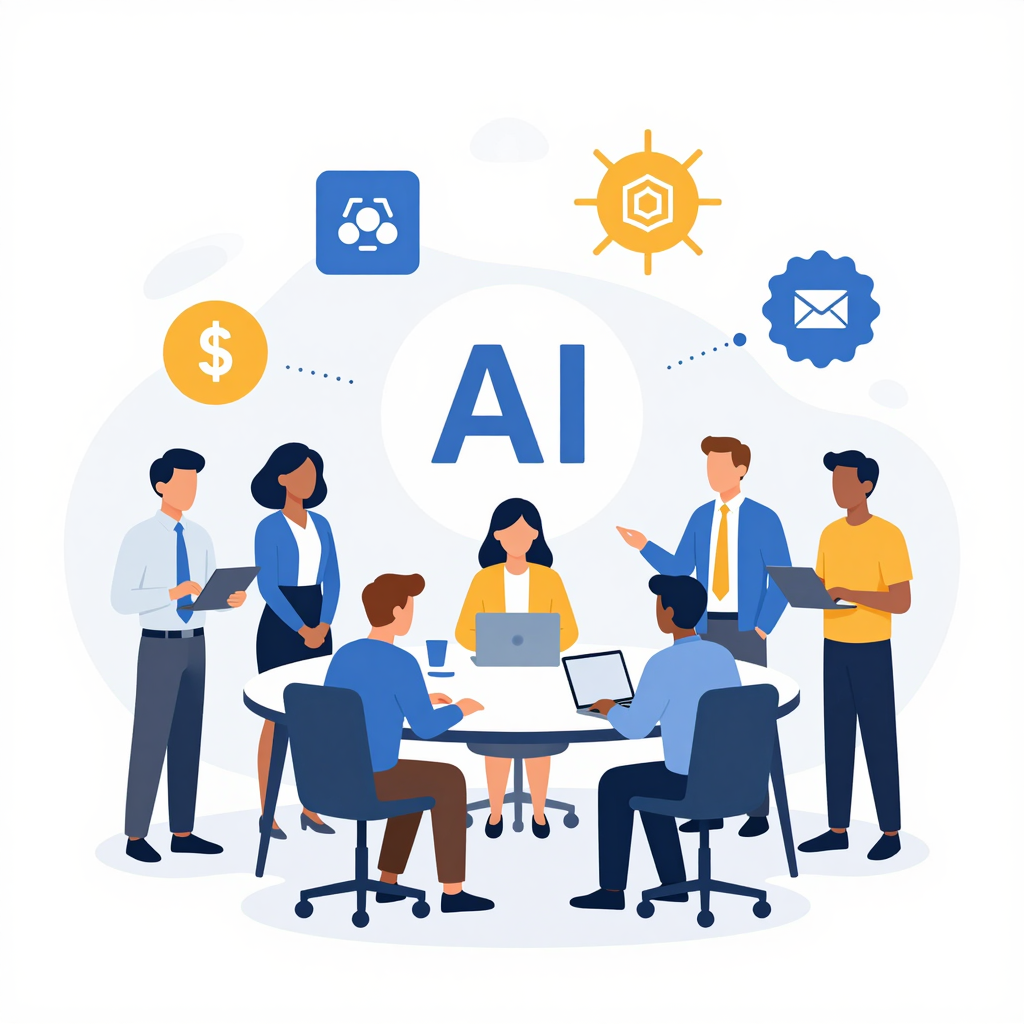
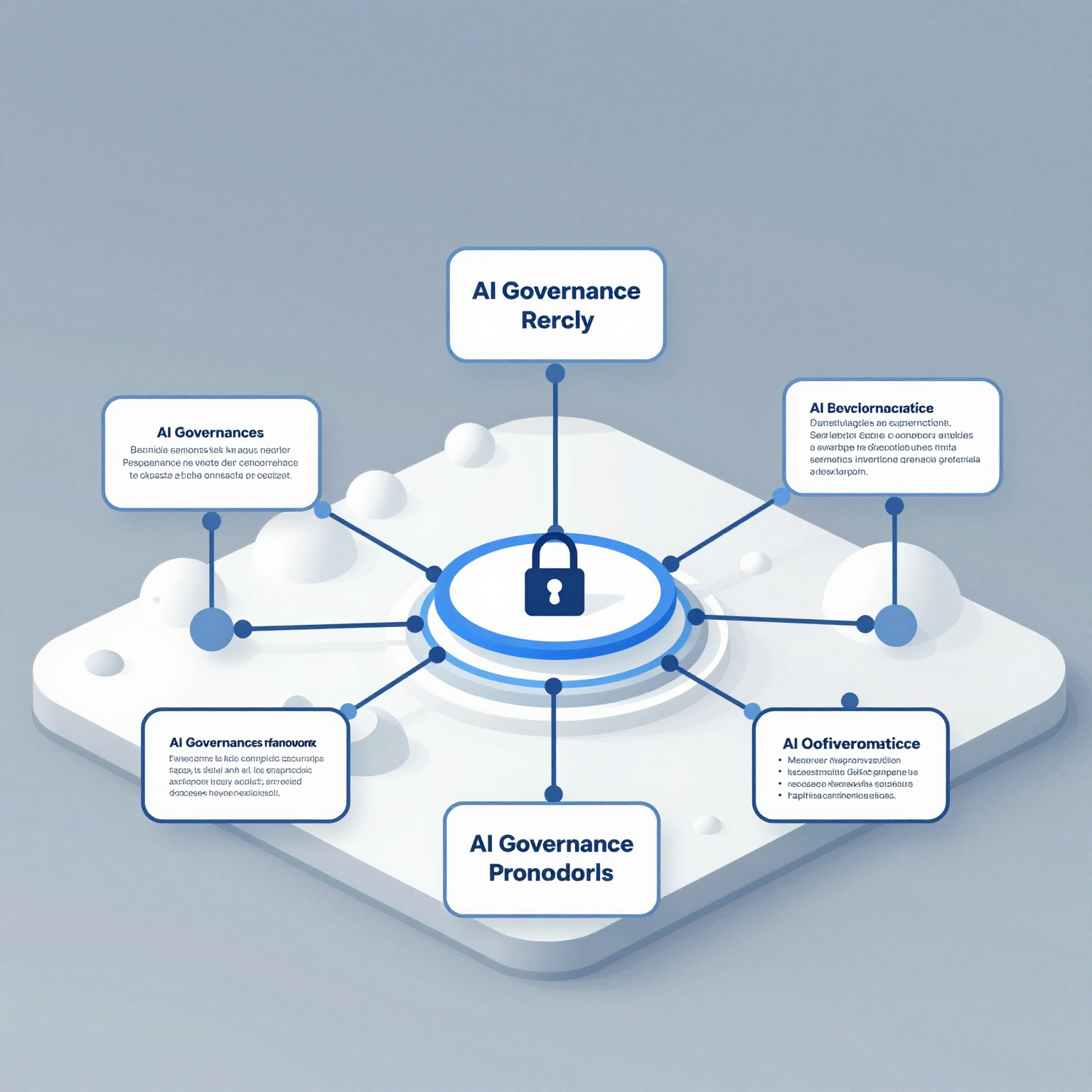
Solid AI governance forms the backbone of secure AI applications. It defines policies, roles, responsibilities, and procedures that ensure AI systems operate in a secure and ethical manner throughout their lifecycle.
- Lifecycle Security: Security measures must start as early as data collection and extend to model training, deployment, and continuous monitoring.
- Ethical Compliance: AI governance integrates adherence to ethical frameworks which combat biases, unfair practices, and privacy violations.
- Risk Management: By embedding governance, organizations actively manage the risks stemming from unauthorized access, malicious attacks, or model misuse.
Establishing clear governance reduces ambiguity, aligns stakeholders, and provides a roadmap for secure AI operations. By treating AI governance as a cornerstone, companies can systematically manage security at every layer.
Security Focus Areas
To build secure AI applications, organizations need targeted strategies across several critical areas:
| Security Area | Best Practice Highlights |
|---|---|
| Data Security | Encrypt data at rest and in transit, use access controls, and audit data usage. |
| Model Security | Protect IP with watermarking, detect adversarial inputs, and monitor for tampering. |
| Infrastructure | Harden cloud infrastructure, network security, and container environments using zero-trust models. |
| Access Control | Enforce multi-factor authentication and role-based access, limit privilege escalation. |
| Continuous Monitoring | Use AI anomaly detection to flag abnormal behaviors, and monitor model performance degradation. |
This holistic approach ensures that each component of an AI system maintains resilience against evolving cyber threats. Key to success is integrating these security layers seamlessly to avoid operational bottlenecks while reinforcing defenses.
Establish Trust in AI Systems
Security goes hand-in-hand with trust. Users and stakeholders need transparency, accountability, and ethical assurances to confidently rely on AI.
- Transparency: Providing explainable AI models that reveal decision logic reduces black-box concerns.
- Accountability: Assign clear responsibility for all phases of AI—from design to deployment and iteration.
- Compliance: Aligning AI development with legal standards such as GDPR (EU), HIPAA (healthcare US), and India’s Personal Data Protection Bill ensures trustworthy practices.
- Ethical AI Design: Incorporate mechanisms to detect and mitigate bias and safeguard user privacy.
Trust-building is not a one-time effort; it requires ongoing communication and adherence to evolving ethical and regulatory frameworks.
Building Expertise: A Cross-Functional Approach
Expertise is essential in creating secure AI applications. Consider these steps to develop a skilled team ready to handle the complex requirements of secure AI:
- Assemble Cross-Disciplinary Teams: Include domain experts, data scientists, cybersecurity specialists, and legal advisors. This ensures diverse perspectives on AI governance and threats.
- Regular Training: Provide continuous education on AI ethics, security protocols, and emerging governance standards.
- Threat Modeling: Continuously evaluate new risks such as adversarial AI attacks, data poisoning, or insider threats.
- Incident Response Planning: Prepare and rehearse procedures to quickly address breaches and ethical violations.
Mastering these areas empowers organizations to stay ahead of potential risks and uphold high security and governance standards.
Real-World Examples of Secure AI Applications
Understanding how industries implement secure AI helps underscore practical benefits:
- Healthcare: AI models processing patient data apply rigorous encryption and HIPAA compliance, ensuring medical AI insights are both effective and confidential.
- Finance: Banks use anomaly detection AI to proactively monitor transactions, prevent fraud, and comply with stringent data privacy regulations.
- Retail: AI-driven recommendation engines are trained and monitored to avoid bias, preserve customer privacy, and prevent data leaks.
- Government: National security AI programs deploy strict access control and transparent governance to balance surveillance capabilities with citizens’ rights.
These case studies demonstrate how building secure AI applications considers both protection and trust-building tailored to sector-specific needs.
Step-by-Step Guide: Building Secure AI Applications
Implementing best practices requires a structured approach. Follow these steps to build secure, trustworthy AI systems:
- Define Governance Framework: Establish policies, responsibilities, and compliance requirements upfront.
- Secure Data Pipelines: Encrypt and control data from acquisition to storage.
- Harden AI Infrastructure: Apply cloud security best practices and container hardening.
- Protect AI Models: Use watermarking, adversarial training, and monitor for tampering.
- Implement Strong Access Controls: Limit access with strict authentication and authorization.
- Ensure Transparency: Develop explainable AI systems to support accountability.
- Train Cross-Functional Teams: Educate on security, ethics, and governance continuously.
- Monitor and Respond: Deploy AI monitoring tools and prepare incident response plans.
Consistency and continuous improvement in these steps mitigate risks and foster robust AI applications.
Benefits and Tips for Security-Focused AI
- Build User Confidence: Transparency and accountability increase adoption and trust.
- Reduce Legal Risks: Compliance with regulations prevents costly fines.
- Enhance System Resilience: Multi-layered defenses minimize vulnerabilities.
- Ethical Impact: Fair AI supports positive social outcomes and reputation.
- Continuous Learning: Stay updated on emerging threats with training and threat modeling.
Tips: Regular audits, partner with trusted AI and cybersecurity providers, and incorporate privacy-by-design principles early.
Future Trends in AI Governance and Security
As AI technologies evolve, security and governance practices will adapt. Future directions include:
- Explainable AI Enhancements: Improving interpretability for complex models like deep learning.
- Automated Security Tools: Leveraging AI itself to detect vulnerabilities in AI systems.
- Regulatory Harmonization: Global alignment of AI policies to simplify compliance.
- Decentralized and Federated AI: New architectures pose fresh security challenges and solutions.
- Ethical AI Standardization: Broader adoption of industry-wide ethical standards.
Organizations proactively embracing these trends will drive trustworthy AI innovations.
Conclusion
Building secure AI applications is not just a technical challenge but a strategic imperative involving governance, security, trust, and expertise. From safeguarding sensitive data to fostering transparency and accountability, organizations must address all facets of security with a comprehensive approach. By integrating governance frameworks, securing data and infrastructure, and training cross-functional experts, businesses can confidently deploy AI systems that meet today’s rigorous demands for security and ethics.
Ready to secure your AI future? Contact us today to learn how we can help you establish trust and expertise in your AI projects.
FAQ
What is AI governance and why is it important?
AI governance involves policies and procedures to ensure AI systems are developed and operated securely and ethically. It is vital for managing risks, legal compliance, and building user trust.
How can I protect AI models from attacks?
Protect models by implementing adversarial training, watermarking, continuous monitoring for tampering, and strict access control.
What teams are needed to build secure AI applications?
A cross-functional team including data scientists, cybersecurity experts, domain specialists, and legal advisors is crucial for comprehensive security and governance.
How does transparency build trust in AI?
Transparency through explainable AI models makes decisions understandable, reducing black-box fears and increasing user confidence.
What future trends should I watch for in AI security?
Key future trends include automated AI security tools, improved interpretability, global regulatory harmonization, and ethical AI standardization.
Recent Blog

Build a Multi-Vendor Marketplace for Startup Success
Build Your Own Multi-Vendor Marketplace Like Amazon: A Startup’s Guide…

How AI Chatbots Improve Customer Support and Sales
How AI Chatbots Improve Customer Support & Sales: Unlocking the…

10 Signs Your SME Needs Custom Software Now
10 Signs Your Business Needs a Custom Software Solution Estimated…