:
:  :
:  CUBICLES CODERS PVT LTD
Progressive Web Apps: Why Faster Apps Matter in 2024
Progressive Web Apps: Why Faster Apps Are Trending
Estimated reading time: 7 minutes
Key Takeaways
- 53% of mobile users abandon sites that take longer than 3 seconds to load.
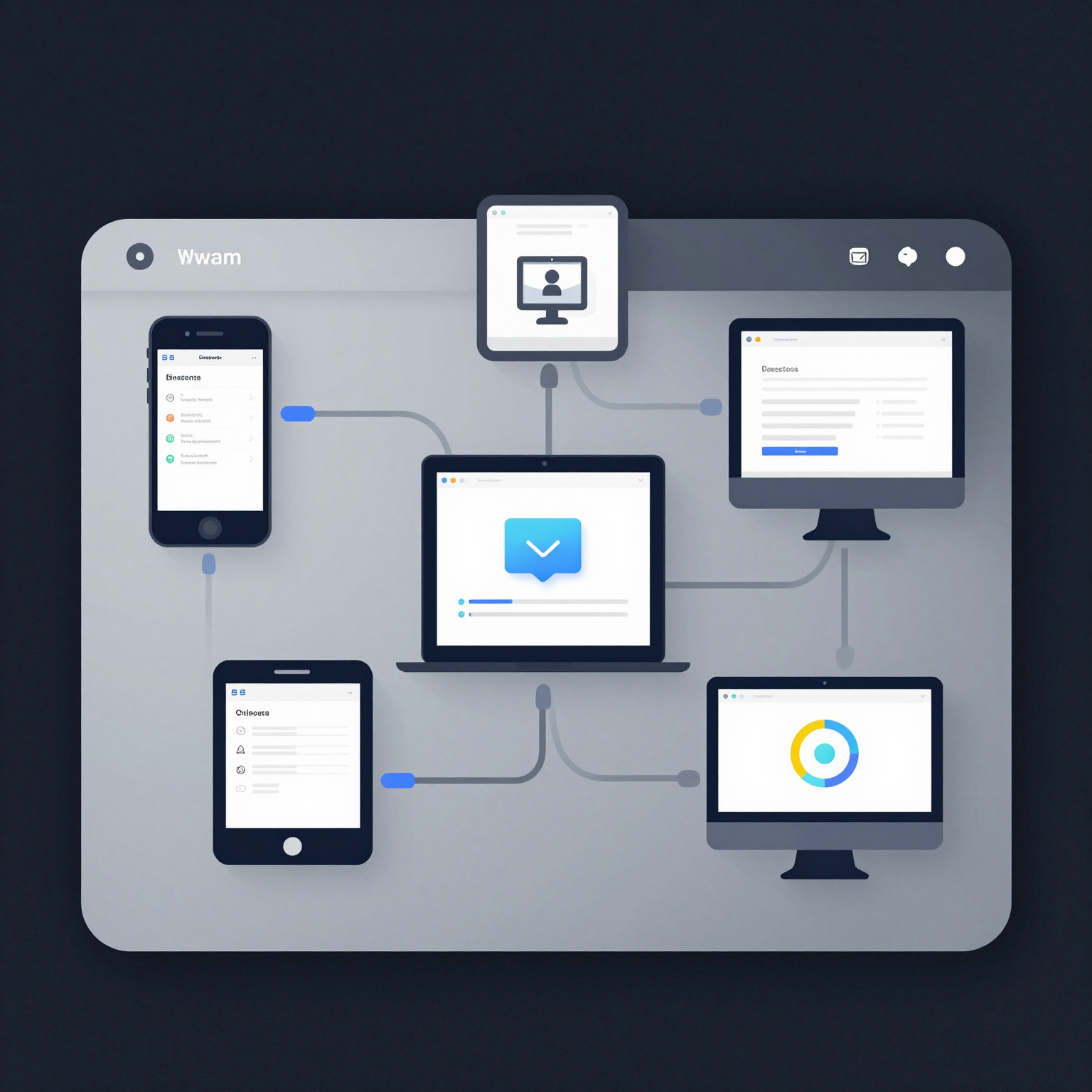
- PWAs combine the best features of web and native applications, functioning seamlessly across devices.
- Faster apps enhance user engagement and conversion rates significantly.
- PWAs leverage modern web technologies for improved performance and offline capabilities.
- The future of app development is increasingly moving towards PWAs and faster applications.
Table of Contents
Introduction
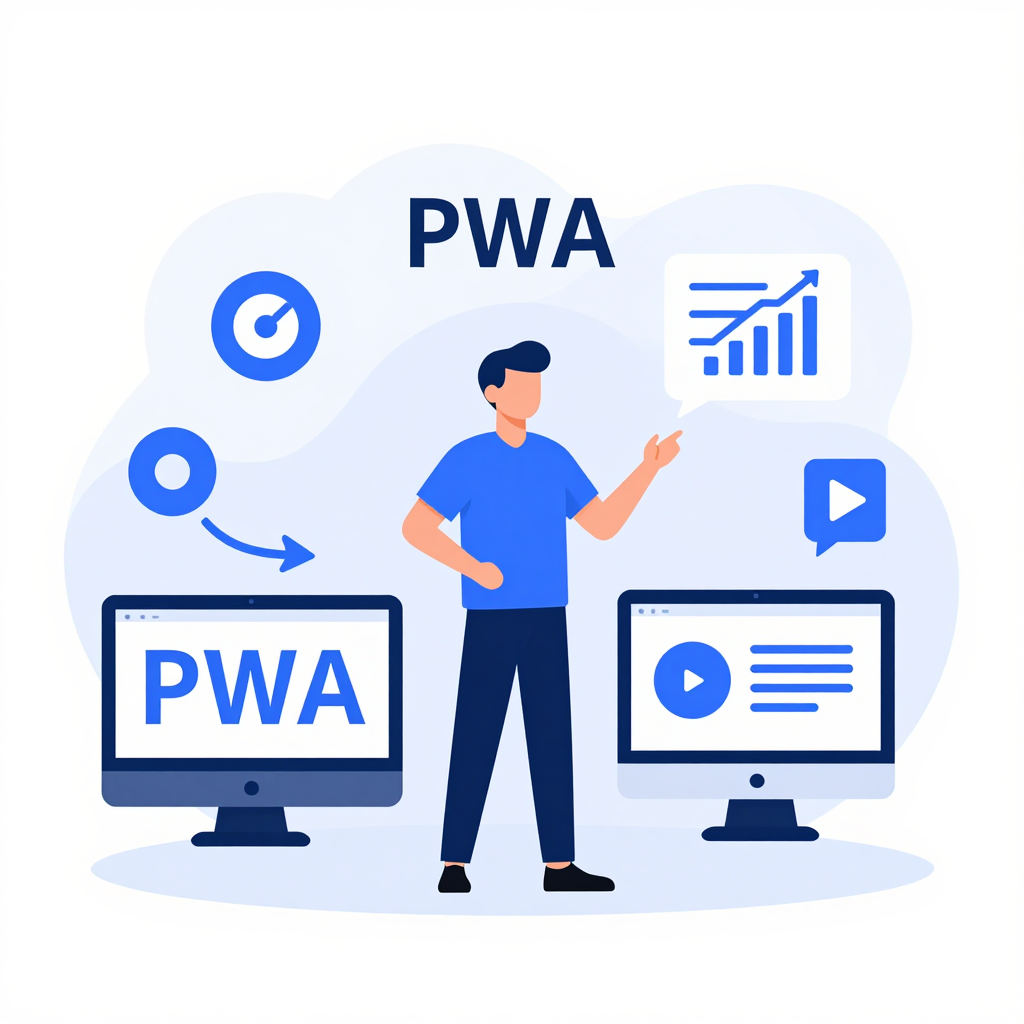
In today’s fast-paced digital world, Progressive Web Apps (PWAs) are transforming how developers and businesses approach app creation. With mobile usage surging globally, users expect apps to be not just functional but fast, responsive, and seamless—a demand driving the rise of the faster apps trending phenomenon. PWAs blend the best of websites and native applications, offering a unique, app-like experience directly through browsers without the hurdles of traditional app stores.
Whether you’re a web developer, a business owner, or a tech enthusiast, understanding Progressive Web Apps and how they stack up against native apps is essential for staying ahead in a competitive digital landscape. This article dives deep into what PWAs are, why speed matters more than ever, and provides a clear compare PWA vs Apps analysis—all with relevance directly tethered to modern web development.
By the end, you’ll understand how PWAs are not just a buzzword but a pivotal shift reshaping user engagement and development strategies worldwide—from India’s booming smartphone market to global enterprises optimizing customer experience.
Why Faster Apps Are Trending
Performance is king in 2024. Research shows that 53% of mobile users abandon sites that take longer than 3 seconds to load. Slow apps mean lost users, reduced conversions, and diminished brand trust. Here’s why faster apps, including PWAs, are taking center stage:
- User Expectations Keep Rising: Instant gratification is the norm. Any lag in responsiveness leads to frustration and churn.
- Mobile Dominance: With over 6 billion smartphone users worldwide—and growing in markets like India—apps must perform well even on low-bandwidth or patchy networks.
- SEO Performance: Google prioritizes fast-loading apps/sites in rankings, making speed crucial for discoverability.
- Resource Efficiency: Faster apps consume less battery and data, critical for users with limited data plans.
- Engagement & Conversion: Studies reveal faster apps boost session length and increase conversion rates significantly.
The ability of PWAs to work offline or on flaky networks, quick load times, and instant updates makes them perfectly suited to meet these demands, positioning them as frontrunners in the fast app revolution.
Progressive Web Apps (PWA): How They Work
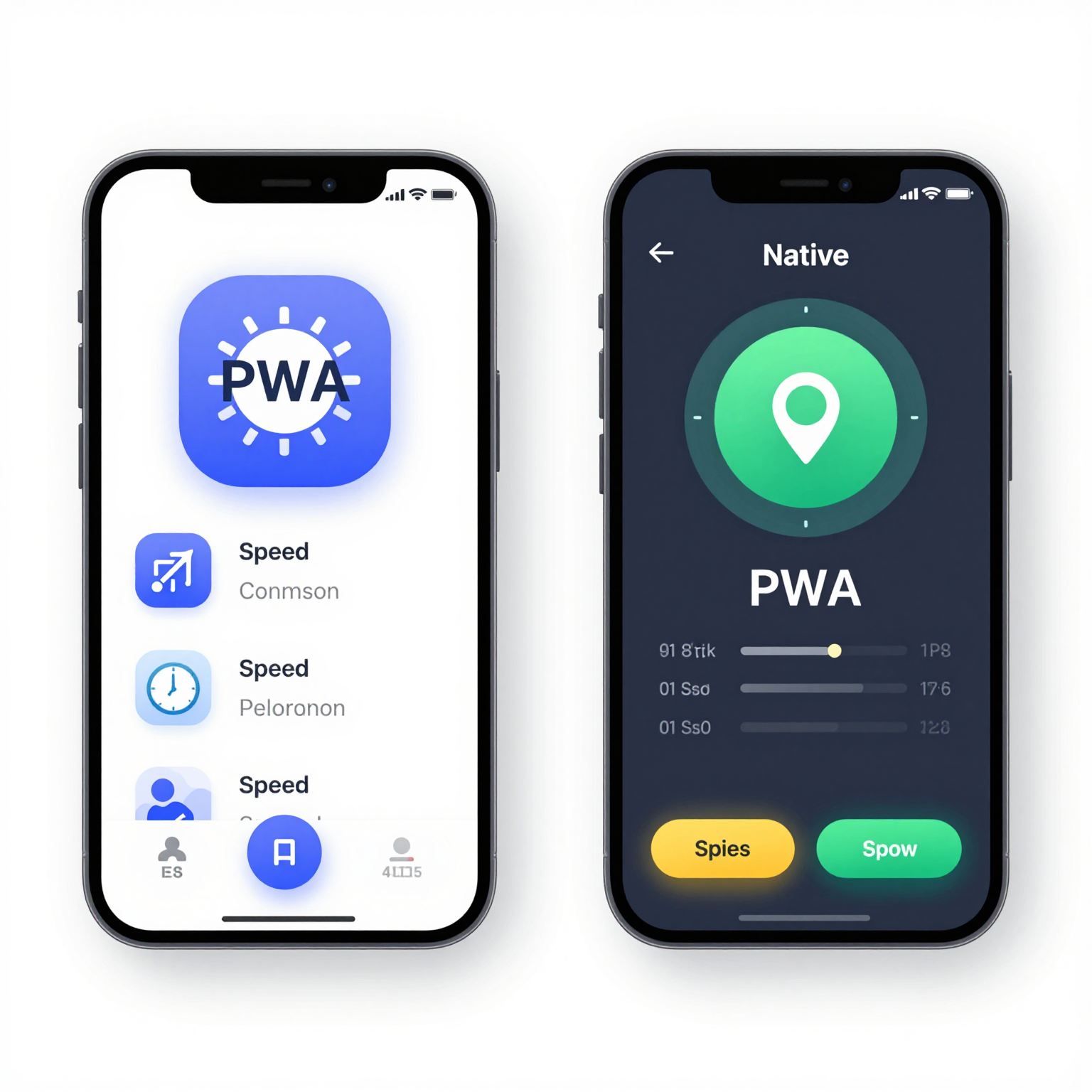
PWAs leverage several modern web technologies to bring native-like features to browser-based applications:
- Service Workers: Scripts run in the background enabling offline mode and caching to speed up loading.
- Web App Manifests: JSON files that define how the app appears (icons, theme) and behaves when installed.
- HTTPS Protocol: Ensures secure data exchange, critical for trust and some PWA features.
- Push Notifications: Keep users engaged through timely alerts and updates.
- Responsive Design: Ensures app looks great on any device, from desktops to smartphones.
PWAs are inherently adaptive—they don’t require different versions for iOS, Android, or desktop. They offer an “installable” feature that lets users add apps to their home screens without app store downloads.
Compare PWA vs Native Apps
| Feature | Progressive Web Apps (PWA) | Native Apps (iOS/Android) |
|---|---|---|
| Installation | From browser, no app store needed | Via app stores (Google Play, App Store) |
| Development | Single codebase (HTML, CSS, JS) | Separate codebases (Swift for iOS, Java/Kotlin for Android) |
| Offline Capability | Supported with service workers | Fully supported |
| Performance | Near-native, fast but depends on browser engine | True native performance, can access device hardware deeply |
| Hardware Access | Limited (camera, geolocation, sensors; expanding with APIs) | Full access to all hardware features |
| Updates | Instant updates, no approval process | Updates require user downloads and sometimes approval from stores |
| Discoverability | Search engine indexable and linkable | Discoverable only via app stores |
| User Engagement | Push notifications supported in most browsers | Richer notifications and background processing |
| Storage Size | Small, uses browser cache and storage | Larger, installed on device |
| Monetization | Limited (ads, in-app purchases via web payments) | Full app store monetization options |
| Security | Delivered over HTTPS, sandboxed environment | More control over app security |
| Market Reach | Accessible on any device with a modern browser | Platform dependent |
This table clearly illustrates how PWAs offer unique advantages in cross-platform reach, development simplicity, and instant updates—making them a compelling choice for businesses looking to maximize accessibility and minimize cost.
Benefits and Tips for Web Developers
Benefits of Using PWAs in Web Development:
- One Codebase, Multiple Platforms: Simplifies development and maintenance.
- Improved Performance: Service workers and caching improve load time dramatically.
- Better User Retention: Push notifications and offline capabilities keep users engaged.
- Lower Costs: No need for separate native development teams.
- Instant Updates: Deploy bug fixes or features instantly without store delays.
- SEO Advantages: Indexable by search engines, unlike native apps.
Tips to Build Effective PWAs:
- Optimize images and static assets for faster loading.
- Leverage service workers smartly to cache dynamic data.
- Ensure HTTPS is strictly enforced.
- Use responsive design frameworks (e.g., Bootstrap).
- Implement push notifications thoughtfully to avoid spamming users.
- Test app performance on various network conditions.
- Keep manifests updated with clear metadata for installability.
Future Trends in PWAs and Faster Apps
The future of web development is aligned with PWAs and faster app performance:
- Enhanced Hardware Integration: Browser APIs continue to expand, granting PWAs access to more device features like Bluetooth, accelerometers, and near-field communication (NFC).
- Improved Background Sync: PWAs will handle offline actions smarter and sync automatically when connectivity resumes.
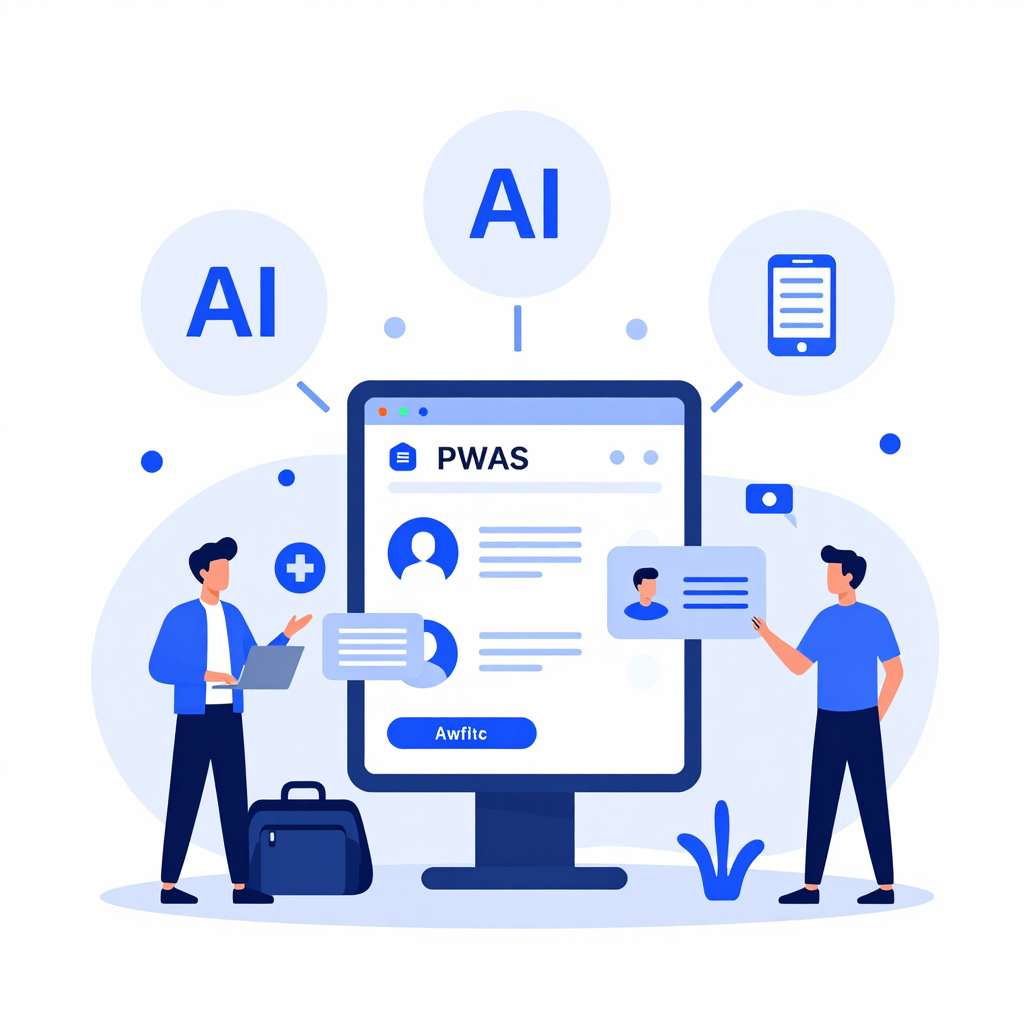
- AI and Personalization: Integration of AI-driven personalization in PWAs for tailored user experience.
- Deeper Native Integration: Progressive Web Apps will blur the lines further with native apps as APIs evolve.
- Growth in Emerging Markets: PWAs are vital in regions with limited connectivity, powering millions of users efficiently.
The trend toward lighter, faster, and more universally accessible apps shows no signs of slowing, making PWAs a must-watch technology.
Conclusion
To sum up, Progressive Web Apps represent a pivotal evolution in web development, meeting the rising demand for faster apps and seamless user experiences. Compared to native apps, PWAs offer cross-platform compatibility, instant updates, and reduced development overhead—all critical in today’s competitive market. Whether you’re launching a startup, revamping your corporate site, or creating an engaging mobile presence, PWAs are worth serious consideration.
Ready to boost your project with blazing fast, user-friendly Progressive Web Apps? Contact us today! Our team specializes in crafting PWAs tailored to your needs, ensuring you stay ahead in the web development race.
FAQ
Q1: Are PWAs supported on all major browsers?
Most modern browsers including Chrome, Firefox, Edge, and Safari support core PWA features, though support on some platforms like iOS is gradually improving.
Q2: Can PWAs be monetized like native apps?
Yes, though options are more limited. In-app purchases and ads are possible via web payments, but app stores provide richer monetization frameworks.
Q3: Do PWAs require internet to work?
No, service workers enable offline usage by caching assets and data, but the extent depends on the app’s design.
Q4: Is the performance of PWAs comparable to native apps?
PWAs deliver near-native performance for many use cases. However, native apps still have an edge in hardware-heavy, graphics-intensive applications.
Q5: Can PWAs send push notifications?
Yes, most browsers support push notifications for PWAs, enabling effective user re-engagement.
[Related post: How to Build High-Performance Web Apps in 2024]
[Related post: Top JavaScript Frameworks for Modern Web Development]
Recent Blog

Build a Multi-Vendor Marketplace for Startup Success
Build Your Own Multi-Vendor Marketplace Like Amazon: A Startup’s Guide…

How AI Chatbots Improve Customer Support and Sales
How AI Chatbots Improve Customer Support & Sales: Unlocking the…

10 Signs Your SME Needs Custom Software Now
10 Signs Your Business Needs a Custom Software Solution Estimated…