:
:  :
:  CUBICLES CODERS PVT LTD
Mobile App Trends 2024 Shaping Your Next Big Idea
Mobile App Trends: How the App Market Is Evolving and Supporting Your Ideas
Estimated reading time: 10 minutes
Key Takeaways
- Growing user demand for personalized and niche apps.
- Rise of AI-powered and machine learning applications enhancing user engagement.
- Emphasis on cross-platform development tools like Flutter and React Native.
- Increased focus on app security and privacy compliance.
- Access to no-code and low-code tools democratizing app development.
Table of Contents
- Introduction
- Evolving App Market: What’s Fueling Growth?
- Sharing App Ideas: Building Better Apps Together
- Supports for App Development: Tools and Technologies Empowering Creators
- Real Examples: How Businesses Are Leveraging Mobile App Trends
- Step-by-Step Guide to Sharing and Developing Your App Idea
- Benefits and Tips for Riding the Wave of Mobile App Trends
- Future Trends: What Lies Ahead for Mobile Apps?
- Conclusion
- FAQ
Introduction

Mobile app trends continue to reshape the digital landscape globally, reflecting the rapid growth and evolution of the app market. As demand for innovative, personalized solutions grows, developers and entrepreneurs are looking beyond traditional app concepts to deliver experiences that resonate with users on a deeper level. Whether you are a startup founder, developer, or simply passionate about technology, understanding how the app market is evolving is crucial for success.
This article dives deep into the latest mobile app trends and how they are transforming development approaches. We’ll explore key factors like the rising influence of AI, the surge in cross-platform development, and community-driven idea sharing. Additionally, we’ll shed light on the robust supports now available for app development, from no-code builders to agile methodologies. These trends are not only impacting markets in tech hubs like the US and Europe but have a significant footprint in emerging regions such as India, where mobile internet adoption is booming.
Looking to share app ideas, validate them, or build your next big project? Keep reading to discover how the evolving ecosystem supports every step of app creation — making innovation more accessible than ever.
Evolving App Market: What’s Fueling Growth?

The mobile app market is evolving rapidly, driven by several key developments. The first major trend is the growing user demand for personalized and niche apps. Users today expect apps tailored to their specific needs rather than generic solutions. For example, fitness apps now offer AI-driven workout customization, and finance apps provide hyper-personalized investment advice.
Another critical driver is the rise of AI-powered and machine learning applications. Apps embedded with intelligent features like voice recognition, image analysis, and predictive behavior models are becoming more mainstream, enhancing usability and engagement.
Additionally, developers are embracing cross-platform development tools such as Flutter and React Native. These tools allow apps to be deployed faster across Android and iOS platforms without sacrificing performance or user experience, saving both time and cost.
Last but not least, with increasing cybersecurity threats, there is an enhanced focus on app security and privacy compliance. Developers are integrating advanced encryption, biometric authentication, and GDPR-compliant frameworks to protect user data — an indispensable factor in today’s market.
The evolving landscape means app creators must stay agile and informed to meet users’ changing expectations while leveraging powerful new technologies.
Sharing App Ideas: Building Better Apps Together
Sharing app ideas has become an essential step in app development. It helps individuals and businesses avoid costly mistakes and gather valuable feedback early on. The rise of online communities, forums, and social platforms facilitates this exchange. For instance, hackathons provide fertile ground for brainstorming, rapid prototyping, and peer evaluation, enabling diverse insights.
Crowdsourcing app ideas and feedback allows creators to validate concepts before investing heavily in development. Platforms like Reddit’s r/startups or Indie Hackers let innovators share plans and receive constructive critiques from a global audience.
Collaborative tools such as Miro and Trello support idea refinement by enabling teams to co-create roadmaps, feature lists, and user journeys in real time. These tools expedite idea generation and accelerate development readiness while boosting creativity.
Moreover, social media channels and specialized app idea marketplaces help entrepreneurs showcase their concepts to potential investors or partners, increasing the chances of successful app launches.
Sharing fosters a community-driven approach, making the app market more dynamic and responsive to real user needs.
Supports for App Development: Tools and Technologies Empowering Creators
Advancements in technology have democratized app development, thanks in large part to accessible supports that simplify complex processes:
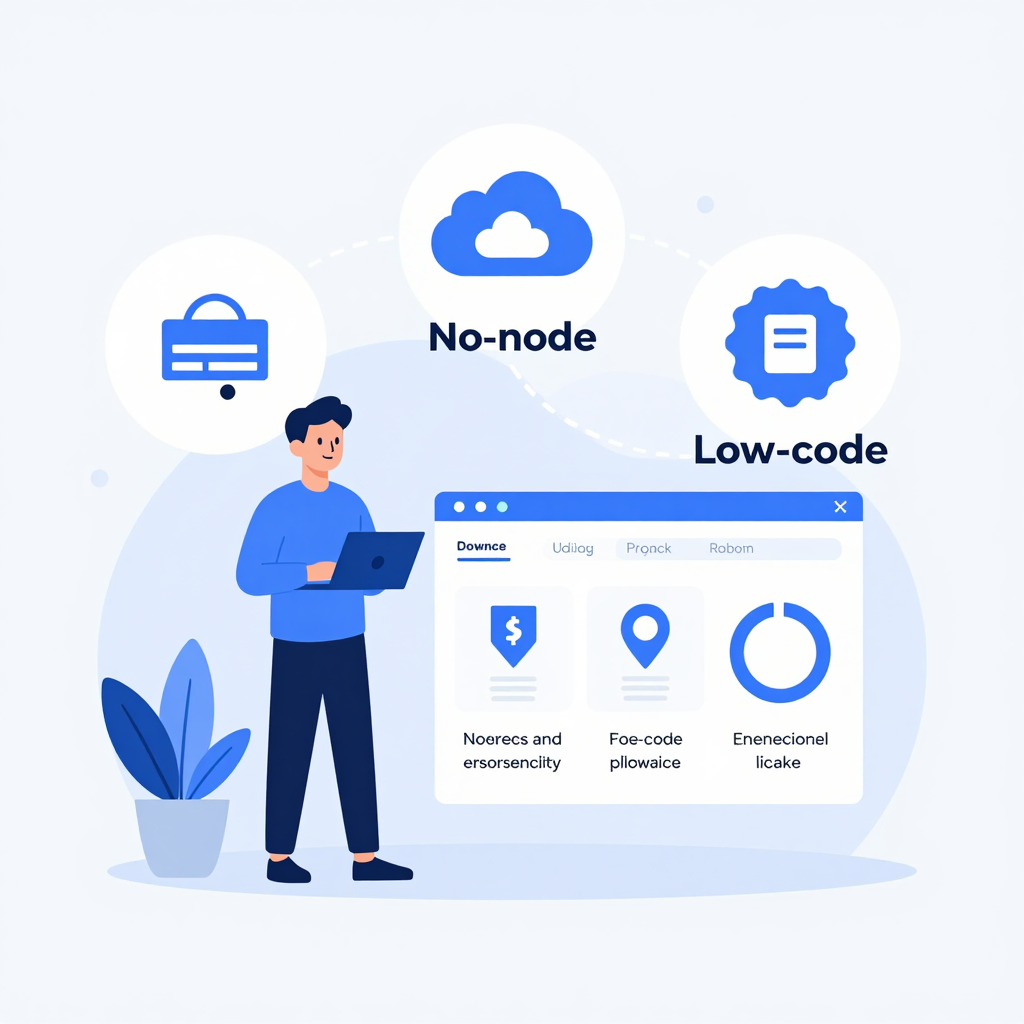
- No-code/Low-code Builders: Platforms like Bubble, Adalo, and Webflow empower non-developers to build robust mobile apps using visual interfaces without extensive coding required. This accelerates MVP creation and iteration.
- Cloud Services and API Integrations: Cloud computing providers like AWS, Google Cloud, and Microsoft Azure offer scalable backend support, while APIs from various services add extended functionality (e.g., payment gateways, maps, chatbots). This modularity enables developers to focus on core features rather than infrastructure.
- Agile Methodologies and CI/CD Pipelines: Agile project management frameworks paired with continuous integration and deployment tools enhance collaboration, enable faster iterations, and ensure higher-quality releases.
- Extensive Development Libraries and SDKs: Access to rich libraries and SDKs from companies like Firebase, Stripe, and Twilio allow rapid prototyping and seamless incorporation of complex features like authentication, analytics, or messaging.
Together, these supports lower technical barriers and speed up the journey from concept to market-ready app.
Real Examples: How Businesses Are Leveraging Mobile App Trends
Many industries showcase the impact of emerging mobile app trends:
- Healthcare: Apps like Teladoc and MyFitnessPal use AI for personalized health tracking and telemedicine, addressing individual wellness needs with privacy-centered designs.
- Finance: Robinhood democratized investing by utilizing AI-driven customer support bots and cross-platform interfaces to appeal to younger audiences.
- Retail: Companies like Starbucks leverage mobile apps with aggressive personalization, including customized promotions based on customer preferences and location.
- Education: Duolingo combines machine learning with gamified interfaces to create highly engaging language learning experiences that adapt to user progress.
- Entertainment: TikTok’s rise exemplifies how an app’s viral potential can be amplified by AI-powered content curation and seamless, cross-platform engagement.
These examples prove how tapping into evolving trends can drive exceptional user engagement and business growth.
Step-by-Step Guide to Sharing and Developing Your App Idea
If you have an app idea and want to get started:
- Research Market Needs: Identify gaps or pain points your app will address through surveys, forums, and trend analysis.
- Share Your Idea: Use online communities, hackathons, or social media groups to get feedback and validate demand.
- Create a Prototype: Utilize no-code or low-code platforms to build a minimal viable product (MVP).
- Refine Features: Incorporate feedback from beta testers and collaborative tools to enhance usability and functionality.
- Integrate APIs and Cloud Services: Add essential backend services and functionalities to scale your app smoothly.
- Focus on Security: Implement privacy policies, encryption, and compliance standards early in development.
- Deploy Via Agile & CI/CD: Use agile methodologies and deployment pipelines to launch updates frequently and reliably.
- Market & Iterate: Leverage social media, app stores, and analytics to promote your app and refine based on user behavior.
Following these steps can help transform your idea into a successful app faster and more efficiently.
Benefits and Tips for Riding the Wave of Mobile App Trends
Here’s why embracing these trends benefits you, along with tips for success:
- Faster Development: Leverage cross-platform tools and no-code builders to accelerate time-to-market.
- Higher User Engagement: Use AI-driven personalization to keep users coming back.
- Cost Efficiency: Save resources by crowdsourcing feedback and utilizing cloud infrastructures.
- Improved Security: Prioritize data privacy to build trust and avoid penalties.
- Community Support: Engage in idea-sharing networks for continuous inspiration and problem-solving.
Pro Tips:
- Keep up with trend reports and developer communities regularly.
- Test your app extensively with diverse user groups.
- Use analytics to track user preferences and tweak app features accordingly.
- Always plan for scalability and adaptability in your app’s architecture.
Harnessing these approaches maximizes your chances for app success in a competitive market.
Future Trends: What Lies Ahead for Mobile Apps?
The future of mobile apps looks promising with exciting trends emerging:
- Augmented Reality (AR) and Virtual Reality (VR): Increased use in gaming, retail, education, and healthcare apps for immersive experiences.
- 5G Connectivity: Faster speeds and lower latency will enable real-time data processing and richer media content.
- Edge Computing: Decentralizing data processing to devices enhances speed and privacy.
- Voice and Gesture Controls: More apps will integrate natural user interfaces through voice assistants and gesture recognition.
- Sustainable App Development: Increasing focus on energy-efficient coding and green hosting solutions.
Staying ahead means continually adapting to technological advances while maintaining a user-centric mindset.
Conclusion
The mobile app market is evolving rapidly, offering unprecedented opportunities for innovators ready to embrace new trends. From AI-powered personalization to collaborative idea sharing and powerful development supports, the ecosystem encourages creativity and agility. By understanding these dynamics and following practical steps, you can turn your app ideas into impactful digital solutions that meet user needs in today’s competitive environment.
Ready to bring your app vision to life? Contact us today!
FAQ
How important is app security in today’s market?
Extremely important. Users demand privacy, and regulatory frameworks like GDPR enforce compliance. Secure apps build trust and protect your reputation.
Can I develop an app without prior coding skills?
Yes. No-code and low-code platforms enable virtually anyone to build functional apps with minimal programming knowledge.
What’s the advantage of cross-platform development?
It saves time and resources by allowing one codebase to serve multiple operating systems without compromising performance.
How do I validate my app idea effectively?
Share your concept on forums, social media, and with potential users to gather feedback. Consider running a minimal viable product to test market response.
What future app technology should I watch?
AI, AR/VR, 5G, and voice control are set to redefine app experiences and offer new avenues for innovation.
—
Related posts:
Recent Blog

Agentic AI vs Traditional Automation: Key Changes in 2026
Agentic AI vs Traditional Automation: What’s Changing in 2026? Estimated…

Future of AI Startups Driving the Ongoing Boom
The Future of AI Startups: Why the AI Startup Boom…

AI CRM Automation Boosts Efficiency for SaaS Solutions
AI CRM Systems: Unlocking the Power of CRM Automation Increasing…