:
:  :
:  CUBICLES CODERS PVT LTD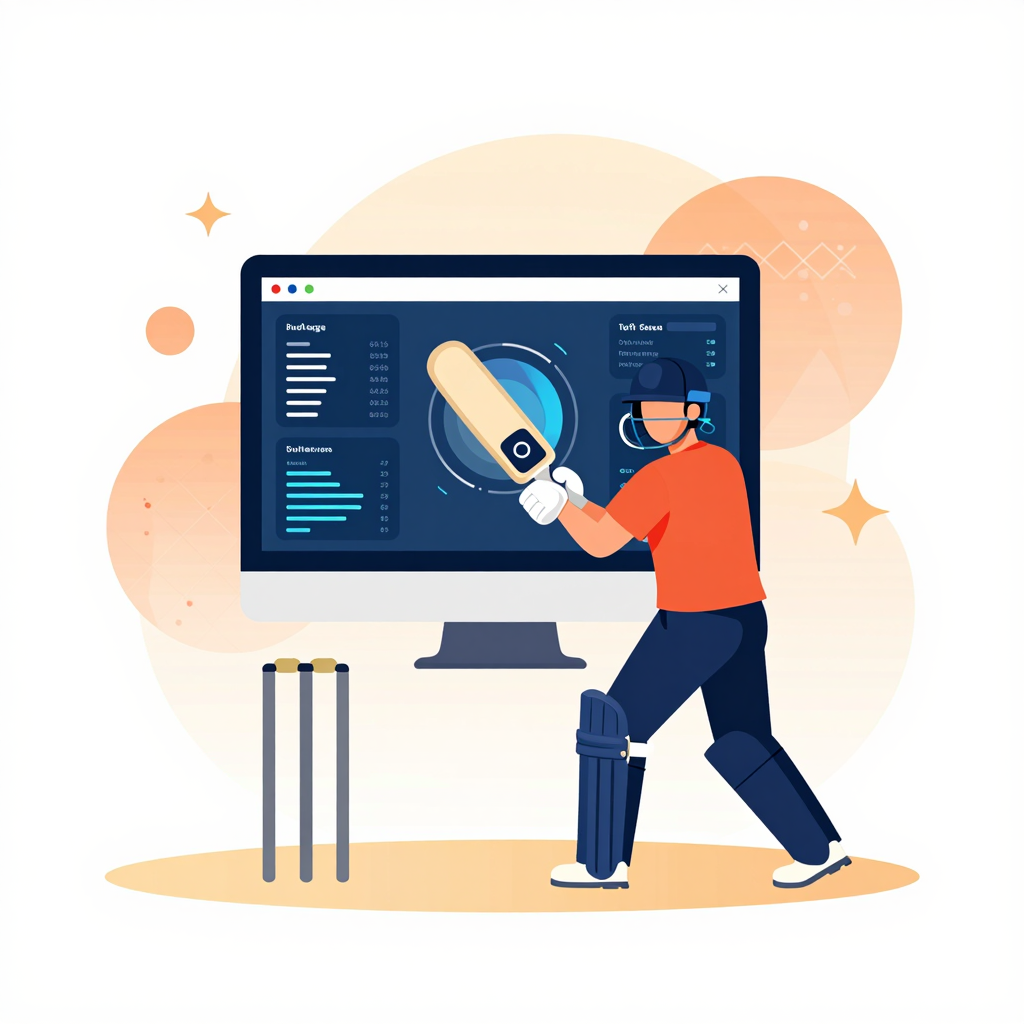
IPL AI Player Analysis: Enhancing Performance with Predictive Tools
How Indian Premier League Uses AI for Player Performance Analysis
Estimated reading time: 8 minutes
Key Takeaways
- The IPL integrates advanced AI tools for real-time player performance analysis.
- Predictive analytics forecast outcomes and injury risks, enhancing team strategies.
- Visual dashboards provide comprehensive insights for decision-makers.
- Wearable technology monitors player health and performance data effectively.
- AI is shaping the future of sports with innovative applications in player management.
Table of Contents
Introduction

The Indian Premier League (IPL) is not just a cricket extravaganza—it is a cutting-edge technological marvel. In today’s highly competitive sports environment, teams aim to gain every possible advantage, and the IPL leads the charge by integrating Artificial Intelligence (AI) for player performance analysis. But how exactly does AI transform player assessment in this fast-paced cricket league? From advanced AI tools that analyze player movements to predictive analytics forecasting performance and injury risks, and visually rich dashboards delivering real-time insights, the IPL showcases the future of sports technology.
Across the globe, AI is reshaping how athletes train and compete, but the IPL’s unique blend of fast gameplay and detailed data makes it a fascinating case study. This article dives deep into how Indian Premier League uses AI for player performance analysis—breaking down the AI tools, exploring predictive analytics, and unveiling the power of dashboards that revolutionize decision-making for coaches and teams.
AI Tools Used in IPL for Player Analysis
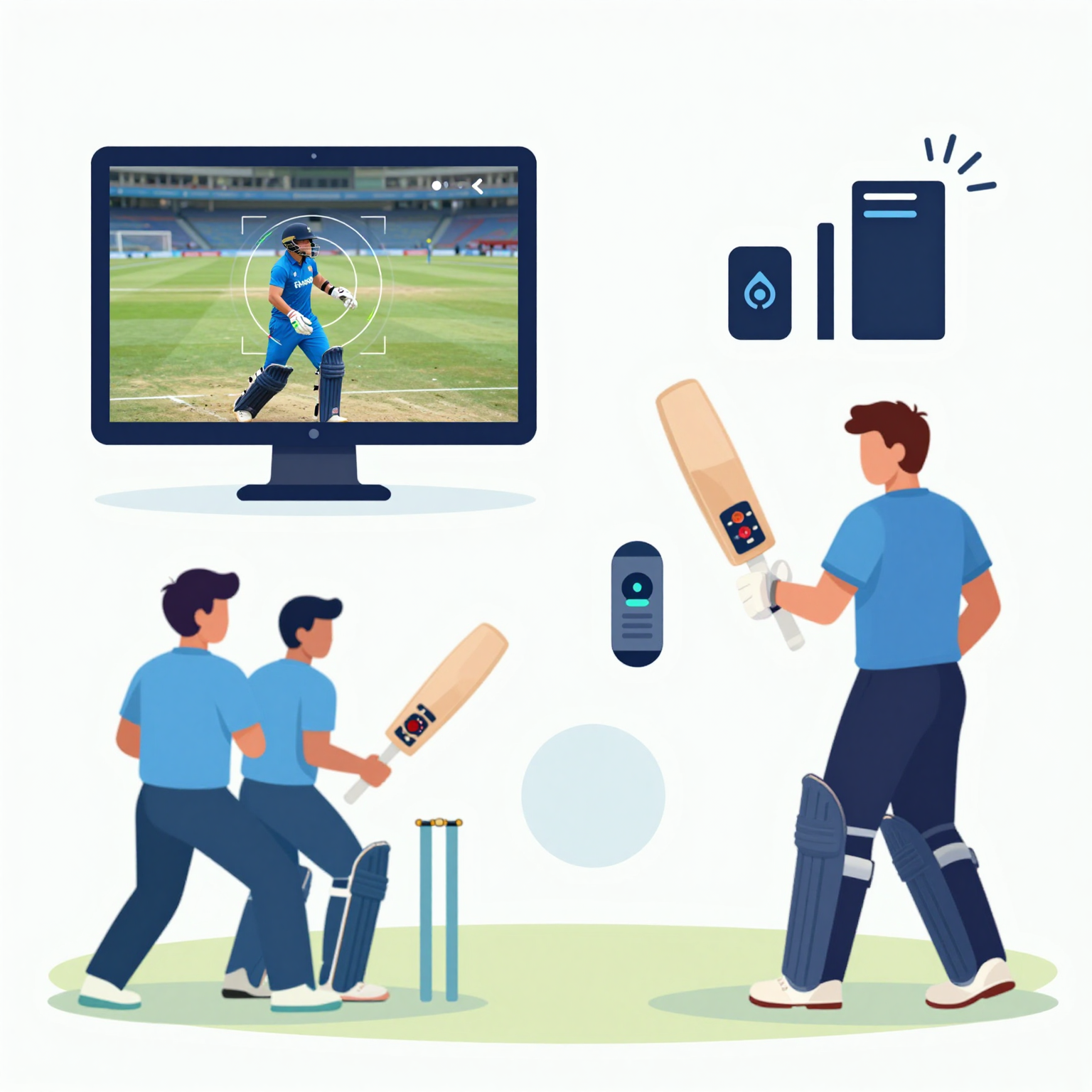
The backbone of IPL’s AI-driven player analysis lies in an array of sophisticated AI tools and technologies that capture, process, and interpret vast amounts of cricket data.
Computer Vision & Video Analytics
One of the most pivotal AI technologies is computer vision. IPL uses AI-powered video analysis tools like Hawk-Eye and CricViz that can:
- Track each player’s movements with pinpoint accuracy.
- Analyze ball trajectory and speed.
- Assess shot selection and timing by batsmen.
- Map fielding positions and player formation.
These technologies transform raw video footage into data-rich insights, helping uncover strengths, weaknesses, and tactical opportunities invisible to the naked eye.
Natural Language Processing (NLP)
Beyond numbers and visuals, the IPL leverages NLP to analyze non-quantifiable factors such as player mindset and morale. NLP-powered algorithms scan news articles, social media chatter, and even transcription of interviews to:
- Gauge player mood and confidence levels.
- Detect stress or motivational drops.
- Understand sentiment trends that might affect on-field performance.
Wearable Sensors
Another cutting-edge AI tool involves wearable devices embedded with sensors. These smart gadgets measure:
- Heart rate variability and fatigue.
- Biomechanical motion and body alignment.
- Recovery status post-training.
Data collected from wearables feed AI models that help coaching staff customize training regimes and reduce injury risks.
Machine Learning Algorithms
IPL teams also utilize sophisticated machine learning (ML) models that analyze historical performance and cluster players into types, revealing hidden patterns such as:
- Identifying specialists under certain pitch or match conditions.
- Highlighting under-utilized skills.
- Generating tailored training or tactical recommendations.
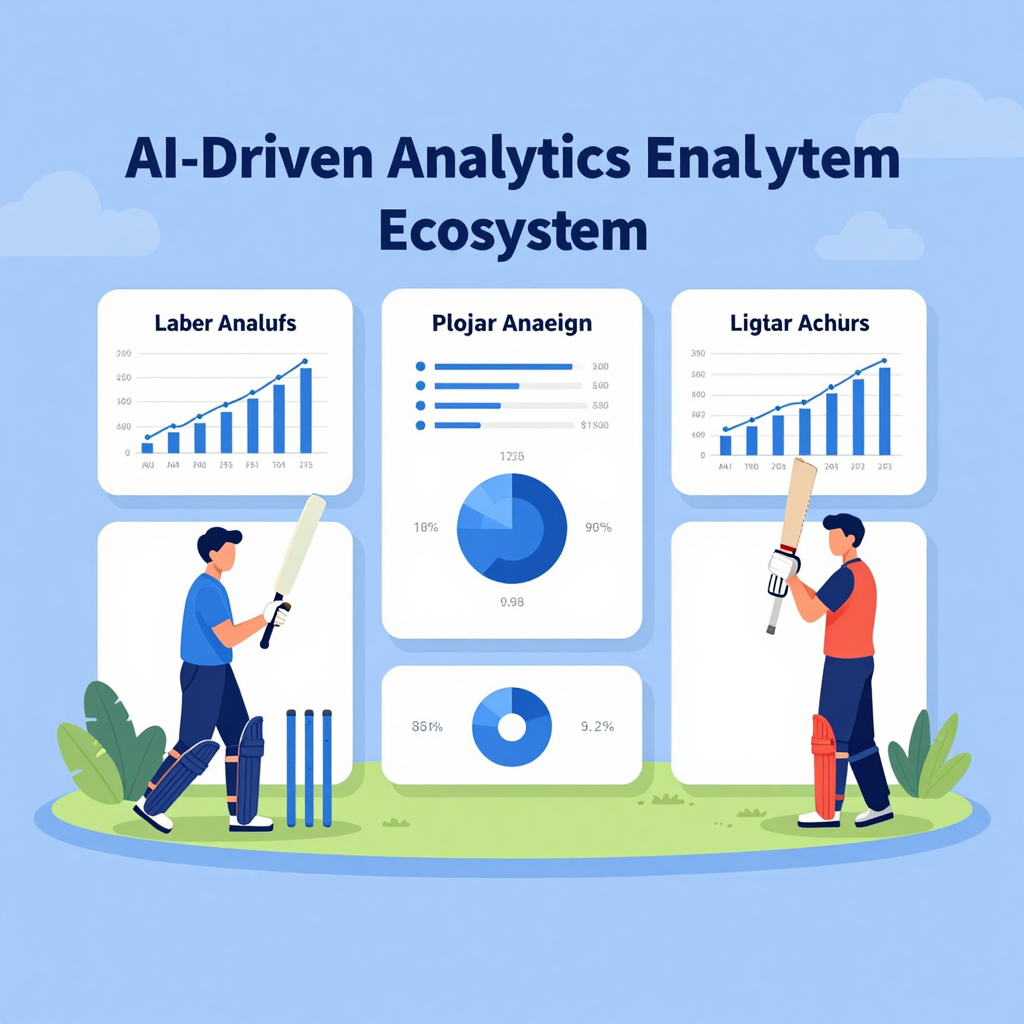
Together, these AI tools create a comprehensive ecosystem for player analysis.
Predictive Analytics in IPL Player Performance
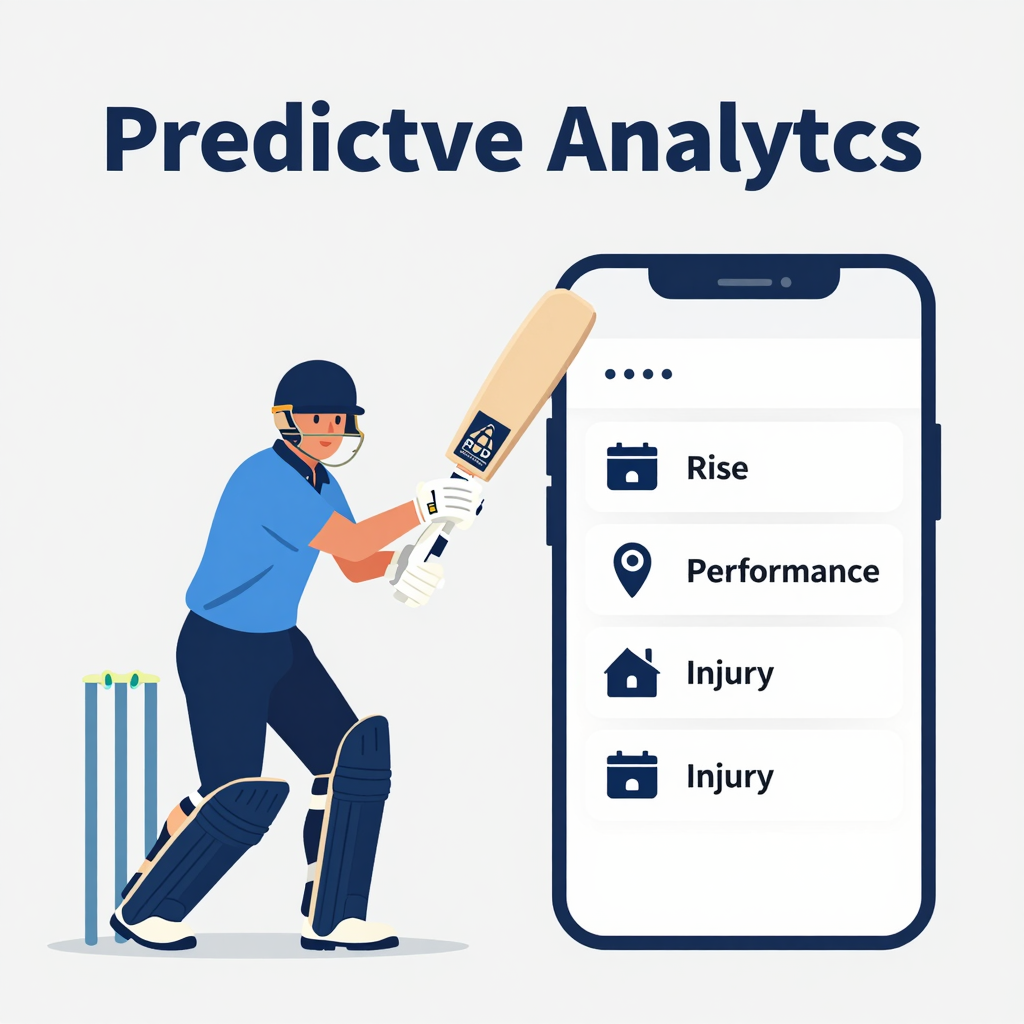
Predictive analytics takes IPL’s AI capabilities one step further by anticipating future outcomes based on intricate models.
Performance Prediction
Using datasets spanning multiple seasons, predictive models forecast outcomes like:
- Probability of a batsman scoring a fifty or a century in a particular match.
- Potential wicket-taking spells by bowlers based on previous matchups.
- Expected fielding contributions and catches.
These predictions help teams strategize lineups and gameplay on a granular level.
Injury Risk Assessment
Injuries can derail a player’s career and a team’s season, so AI’s injury risk analysis is crucial. By combining:
- Physiological data (from wearables)
- Match workload and frequency
- Recovery cycles
AI forecasts the probability of injury, prompting timely rest or altered training to safeguard the player’s fitness.
Match Strategy & Player Selection
Predictive models provide insights into:
- Optimizing batting orders depending on conditions.
- Choosing bowlers likely to succeed against specific batsmen.
- Setting field placements to exploit opposition weaknesses.
Coaches rely on these analytics to craft player roles and match tactics.
Real-Time Decision Making
During matches, AI processes live data streams for instant insights, such as:
- When to change bowlers based on batsman behavior.
- Adjusting field settings to minimize scoring areas.
- Pinpointing momentum shifts and suggesting counter-strategies.
This helps captains make data-driven decisions under pressure.
Dashboards for Visualization and Insights
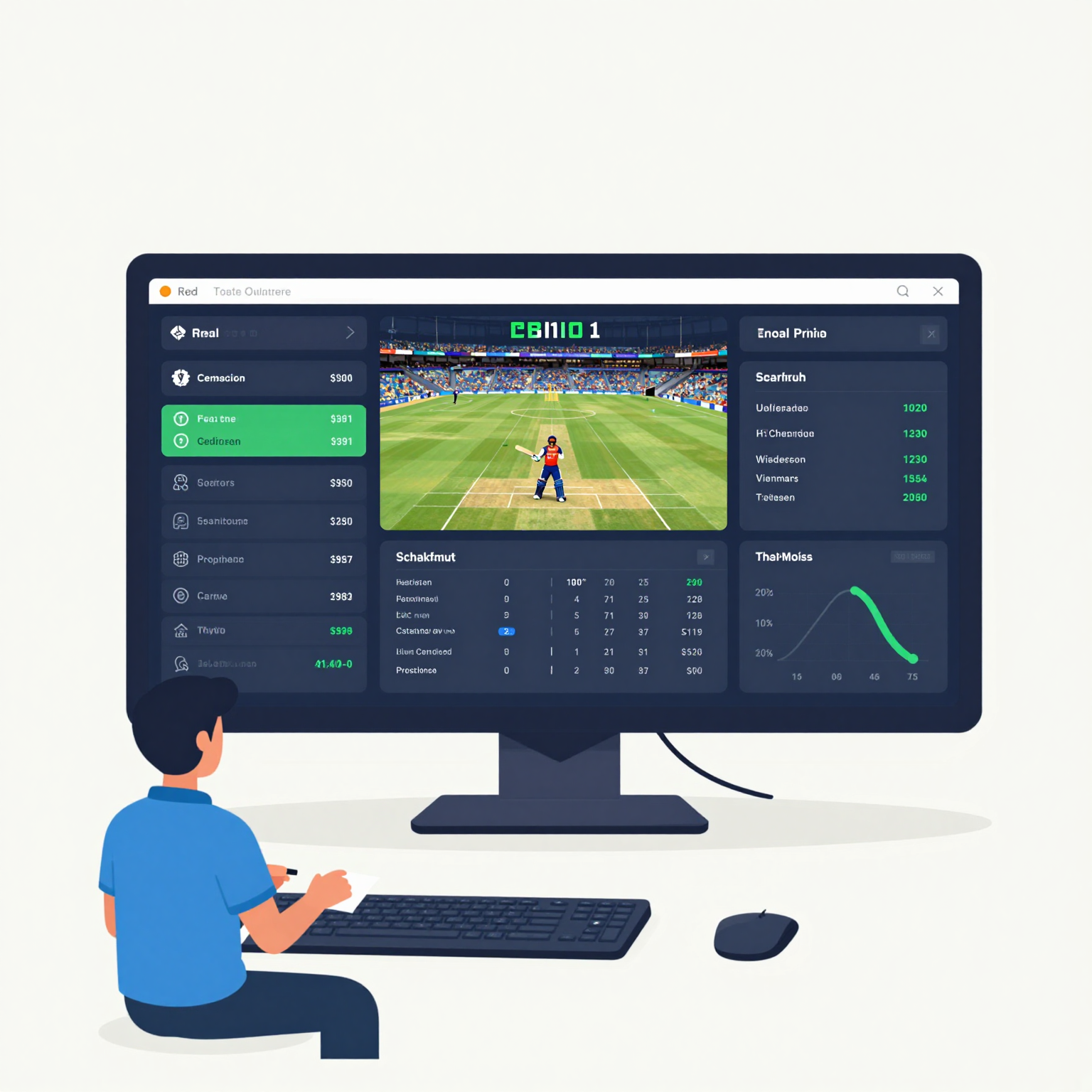
Data is powerful only when accessible and understandable. Dashboards are the gateway through which IPL teams, coaches, and analysts interact with AI-driven insights.
Integrated Dashboard Platforms
IPL teams employ interactive dashboards that bring together multiple streams of data—player stats, fitness indicators, fatigue levels, and predictive outputs—on a single interface.
Customizable Views for Coaches and Analysts
These dashboards allow users to:
- Filter insights by player, match, or training session.
- Visualize shot patterns through heatmaps.
- Track player efficiency with wagon wheels, strike rate graphs, and bowling speed charts.
Such visualization tools make complex data digestible and actionable.
Real-Time Data Feed
With live data integrated into dashboards, support staff can monitor ongoing games and adjust plans dynamically. This immediacy enhances tactical flexibility and responsiveness.
Automated Reports
Post-match analytics reports summarize crucial takeaways, player ratings, and strategy reviews, minimizing manual work and accelerating decision cycles.
Conclusion
The Indian Premier League sets a vivid example of how AI tools, predictive analytics, and interactive dashboards synergize to revolutionize player performance analysis. By continuously incorporating these technologies, IPL teams gain precise insights into player abilities, match dynamics, and injury prevention—offering a significant edge over competitors. This dynamic fusion of cricket and AI not only elevates the game but also deepens fan engagement through data-driven storytelling.
If you want to leverage AI solutions for sports analytics or any performance-driven industry, contact us today to unlock the power of predictive insights and intelligent dashboards!
FAQ
What AI tools are most commonly used in IPL for player analysis?
Computer vision for video analytics, NLP for sentiment analysis, wearable sensors for physiological monitoring, and machine learning algorithms for performance prediction are widely used.
How does predictive analytics help in IPL?
It forecasts player performance, injury risks, and helps strategize match decisions, providing teams with a competitive advantage.
Are the AI dashboards customizable?
Yes, dashboards allow coaches and analysts to filter data, visualize player stats, and receive real-time insights during matches.
Can AI prevent player injuries in IPL?
AI assesses workload, fatigue, and physiological data to predict injury risk, helping teams manage player health proactively.
What is the future of AI in IPL player analysis?
Future trends include AR dashboards, AI virtual coaches, advanced motion analysis, and blockchain integration for enhanced data management.
Recent Blog
Why AI Automation is Essential for Business Growth in 2026
Why Every Business Needs AI Automation in 2026: Unlocking Growth…

Digital Transformation in 2026: Key Strategies for Success
The Complete Guide to Digital Transformation in 2026: Why It…
Building Future-Ready Applications with Emerging Technologies
Building Future-Ready Applications with Emerging Technologies: A Roadmap for Innovation…