:
:  :
:  CUBICLES CODERS PVT LTD
Enterprise Software Trends Driving Modernization in 2026
Enterprise Software Development Trends Shaping 2026: Modernization Strategies for Forward-Thinking Enterprises
Estimated reading time: 8 minutes
Key Takeaways
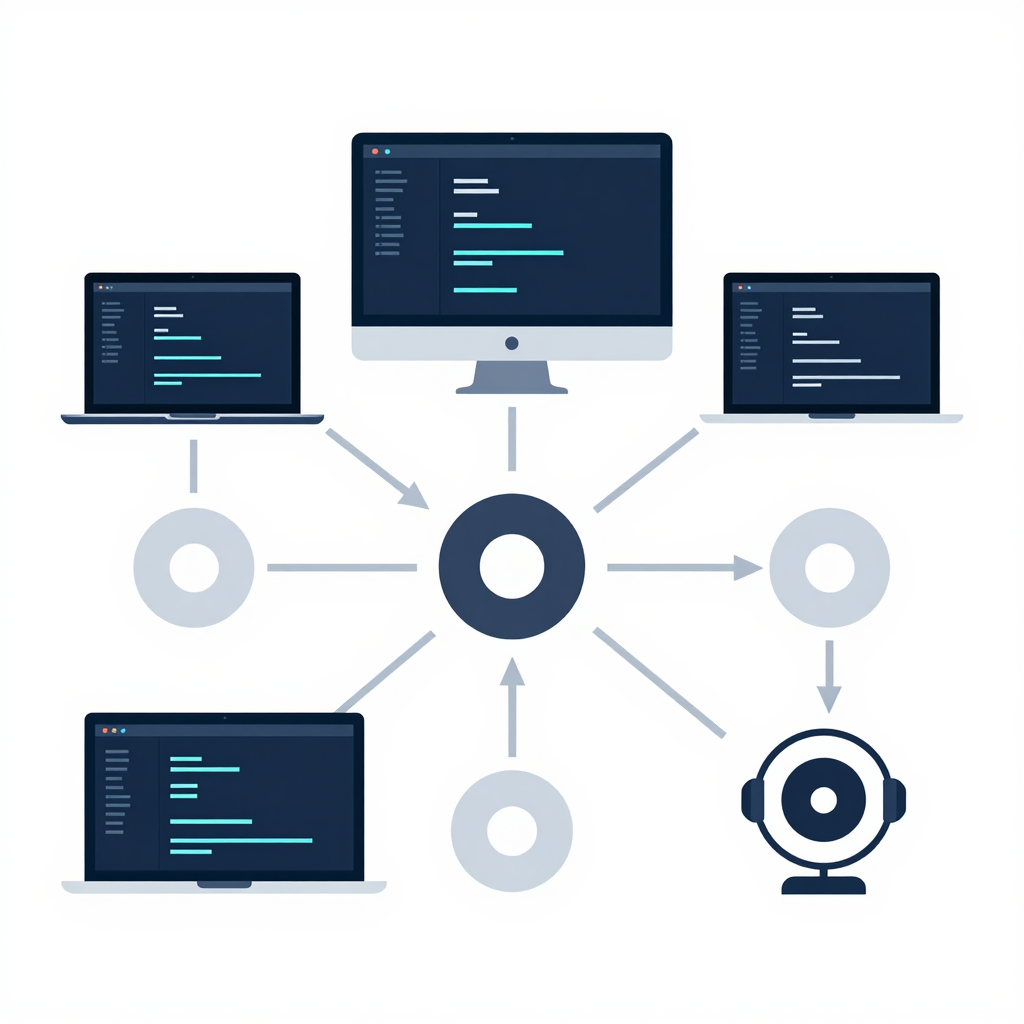
- Cloud-native and hybrid multi-cloud architectures are essential for scalable applications.
- AI-driven development enhances efficiency and software quality.
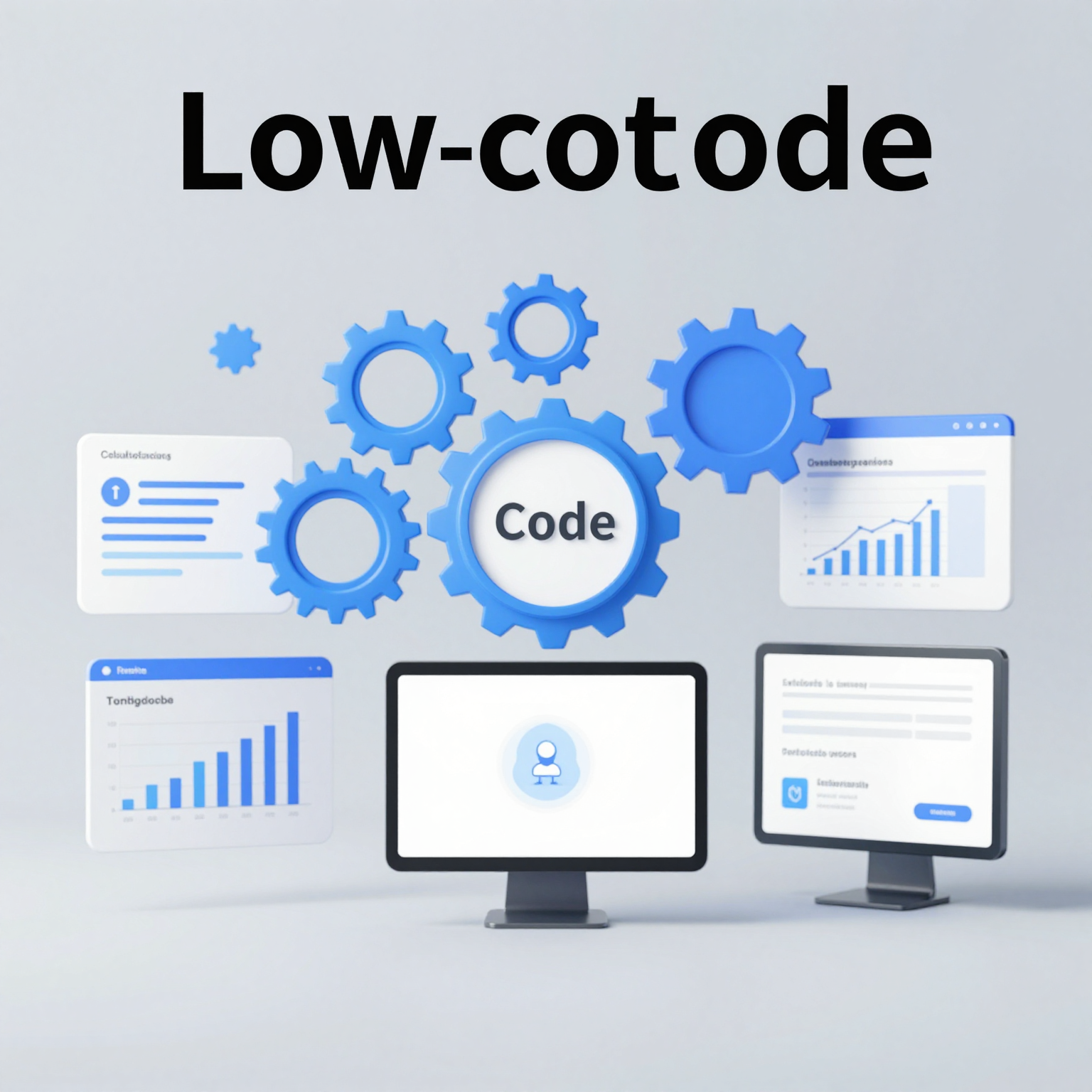
- Low-code/no-code platforms democratize application development.
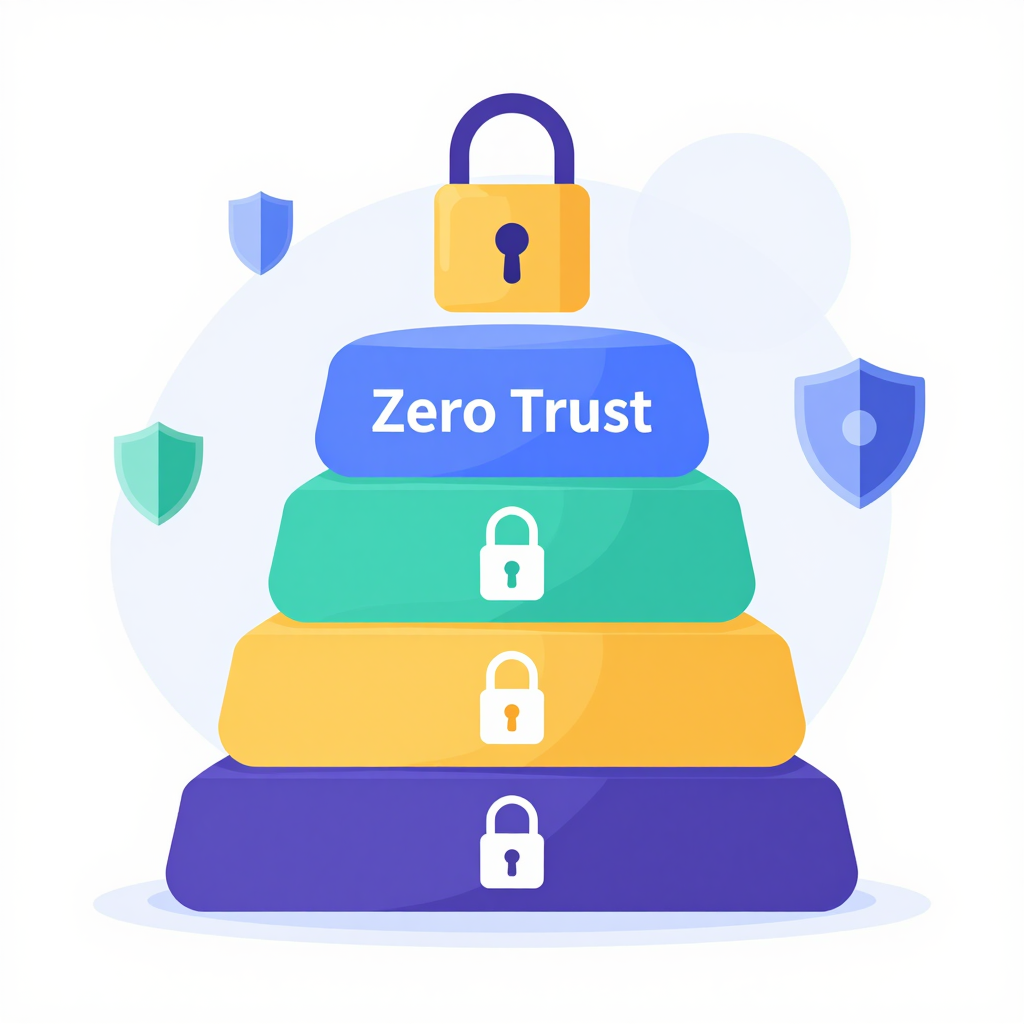
- Zero Trust security models are critical to safeguarding data and applications.
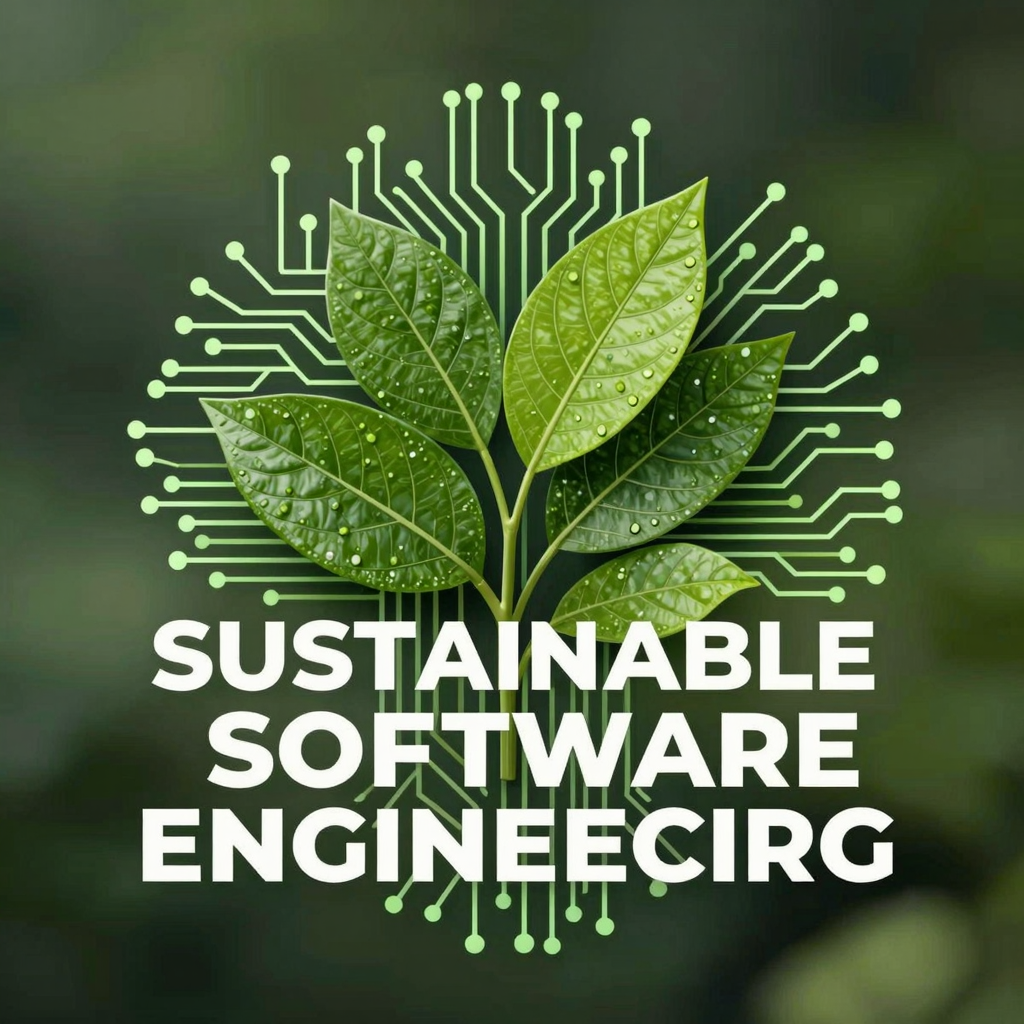
- Sustainability and green software engineering are becoming industry priorities.
Table of Contents
Introduction
In today’s rapidly evolving digital landscape, enterprise software development trends shaping 2026 are setting the pace for how businesses innovate, scale, and secure their operations. With technology advancements accelerating globally, enterprises—especially those targeting modernization strategies—must stay ahead of these shifts to maintain competitive advantage. This industry analysis delves deep into the crucial trends that enterprise clients should prioritize in their modernization journey.
From cloud-native architectures to AI-driven automation, and from zero trust security to sustainable software engineering, this article unpacks key growth areas expected to redefine enterprise software by 2026. Whether your organization operates in tech, healthcare, finance, or manufacturing, understanding and adopting these trends is vital for agility and resilience in increasingly complex ecosystems worldwide.
As enterprises seek modernization strategies that balance innovation with risk management, this guide also offers actionable recommendations to help your teams thrive amidst change. Let’s explore how the future of enterprise software development is taking shape—and what you can do today to be ready for tomorrow.
Key Enterprise Software Development Trends Driving 2026
1. Cloud-Native and Hybrid Multi-Cloud Architectures
More enterprises are embracing cloud-native computing, utilizing container-based microservices to build flexible, scalable applications. Hybrid multi-cloud setups that combine private and public clouds enable organizations to optimize costs, adhere to compliance standards, and enhance disaster recovery capabilities. This flexibility supports rapid feature deployment and seamless scaling with minimal downtime.
2. AI-Driven Development and Intelligent Automation
Artificial Intelligence (AI) is no longer an optional add-on but a fundamental component throughout the software development lifecycle. AI tools automate testing, code generation, and offer predictive insights into system performance. Intelligent automation reduces manual errors, accelerates iterations, and improves software quality, fundamentally changing how dev teams operate.
3. Low-Code / No-Code Platforms for Faster Delivery
To address the urgent need for rapid development, enterprises are investing in low-code and no-code platforms. These platforms empower business users—often referred to as citizen developers—to participate in application creation while keeping IT governance intact. This democratization shortens development cycles and enables faster responses to market changes.
4. Edge Computing Integration
With the proliferation of IoT devices and ultra-fast 5G connectivity, edge computing has become crucial. Processing data closer to the source reduces latency and improves real-time analytics capabilities. Enterprises are designing software architectures that integrate edge nodes, providing superior user experiences especially in industries like logistics, manufacturing, and healthcare.
5. Zero Trust Security and DevSecOps
Security paradigms are shifting toward Zero Trust models that assume no user or device is inherently trusted. Integrating security early in development through DevSecOps ensures continuous vulnerability scanning, automated compliance, and threat mitigation across CI/CD pipelines. This holistic security approach is essential amid ever-growing cyber risks.
6. Advanced API Ecosystems
API-first strategies transform APIs into strategic assets powering integrations, partnerships, and SaaS connectivity. Enterprises are focusing on API lifecycle management, analytics, and security to enable composability and innovation across internal and external systems. APIs thus fuel business agility and ecosystem participation.
7. Sustainability and Green Software Engineering
Environmental concerns influence software development like never before. Enterprises are measuring energy consumption across development and runtime environments, optimizing code efficiency, and prioritizing infrastructure sustainability to align with ESG goals—emphasizing green software engineering.
8. Quantum Computing Exploration and Preparation
Though quantum computing is nascent, visionary enterprises invest in its exploration for future use cases like cryptography and complex simulations. Building software architectures with quantum-readiness in mind ensures gradual capability integration as quantum hardware matures.
Implications for Enterprise Modernization Strategies
- Application Refactoring and Re-Architecting: Legacy systems built on monolithic architectures must evolve into modular microservices connected via robust APIs. This shift enables seamless cloud migration and hybrid workload deployment.
- Investment in Developer Productivity Tools: Incorporate AI-assisted development environments, automated testing frameworks, and no-code tools to shorten release cycles while maintaining software quality.
- Security at the Forefront: Embed security policies from the earliest stages, continuously test and monitor for vulnerabilities, and adopt Zero Trust frameworks.
- Talent and Skill Development: Upskill internal teams in cloud platforms, AI integration, edge computing, and DevSecOps practices. Recruit specialists strategically to fill capability gaps.
- Alignment with Enterprise Data Strategies: Design software ecosystems ensuring data sovereignty, privacy, and real-time analytics that support business intelligence and compliance needs.
Strategic Recommendations for Target Enterprise Clients
- Adopt a Phased Modernization Roadmap: Focus initial efforts on mission-critical applications with significant business impact. Progressively introduce microservices and cloud-native patterns, avoiding disruption of core operations.
- Leverage Hybrid Cloud for Flexibility and Compliance: Implement policy-driven governance tools that balance workload distribution across private and public clouds, ensuring regulatory compliance without sacrificing scalability.
- Implement AI and Automation Across DevOps: Utilize AI-driven code reviews, automated testing, and predictive monitoring tools integrated into CI/CD to improve velocity and reduce fix times.
- Embed Security Early and Continuously: Establish continuous security validation within DevOps pipelines with automated vulnerability scans, threat modeling, and DevSecOps practices.
- Establish API-First Architecture: Treat APIs as products with dedicated lifecycle management, versioning, and analytics to facilitate ecosystem collaboration and accelerate innovation.
- Focus on Sustainable Software Practices: Monitor development environment energy consumption, optimize cloud usage with autoscaling, and prioritize efficient code to meet sustainability targets.
Real-World Examples of Enterprise Application
- Financial Services: A leading bank re-architected its core internet banking platform to use Kubernetes and microservices, reducing deployment times by 70% while embedding AI-driven fraud detection seamlessly.
- Healthcare: A global hospital network deployed edge computing solutions that enable real-time patient monitoring through IoT devices integrated with cloud analytics.
- Manufacturing: An automotive manufacturer adopted low-code platforms to empower operational managers in designing custom dashboards, accelerating decision-making while IT ensured compliance.
- Retail: A multinational retailer integrated Zero Trust security frameworks in its mobile shopping apps, vastly enhancing protection against increasingly sophisticated cyberattacks.
- Technology: A software giant invested in quantum-resilient cryptography research and smart API management to future-proof its cloud SaaS offerings.
Step-by-Step Guide to Modernizing Enterprise Software in 2026
- Assess Current Application Portfolio: Identify legacy applications with modernization potential and analyze technical debt and business impact.
- Define Clear Business Objectives: Align software transformation initiatives with business goals such as scalability, security, or user experience.
- Select Appropriate Technologies: Choose cloud platforms, automation tools, and development frameworks appropriate to target architectures.
- Develop Modular Architecture: Refactor monolithic systems into microservices or APIs incrementally.
- Integrate Security Best Practices: Implement DevSecOps, Zero Trust, and continuous monitoring tools from day one.
- Enable Developer Productivity: Provide AI-aided coding tools, enable low-code/no-code platforms, and automate testing pipelines.
- Train and Upskill Teams: Invest in cloud, AI, edge computing, and security training for internal teams.
- Monitor, Optimize, and Iterate: Continuously track performance, security posture, and energy consumption for ongoing improvement.
FAQ
Q1: Why is hybrid multi-cloud important for enterprises?
A: Hybrid multi-cloud offers flexibility to distribute workloads across environments optimizing for cost, performance, and compliance, which is critical for global enterprises.
Q2: How does AI-driven development improve software quality?
A: AI automates repetitive coding, testing, and monitoring tasks, identifies bugs earlier, and predicts potential failures to reduce downtime and defects.
Q3: What role does Zero Trust play in modern development?
A: Zero Trust enforces that no system or user is trusted by default, implementing continuous verification and security controls to protect data and applications from sophisticated cyber threats.
Q4: Can low-code/no-code platforms replace traditional developers?
A: No, they complement developers by enabling faster prototyping and involving business users while IT oversees security and governance.
Q5: How should enterprises prepare for quantum computing?
A: Begin by exploring quantum-safe cryptography, updating software architectures for modular integration, and investing in relevant skill development.
Conclusion
The landscape of enterprise software development in 2026 will be shaped by powerful technological shifts including cloud-native architectures, AI-driven automation, and security-first approaches. Enterprises pursuing modernization strategies must adopt these trends to remain agile, competitive, and resilient in an ever-changing business environment. By implementing phased roadmaps, leveraging hybrid cloud, embedding AI and security, and prioritizing sustainability, enterprises can unlock immense value and future-proof their digital ecosystems.
Is your enterprise ready to embrace these changes and lead the market in 2026? Contact us today to develop tailored modernization strategies and technology frameworks that align with your business goals.
Recent Blog

Why Software Testing Matters for AI Applications
The Importance of Software Testing in AI-Powered Applications: Ensuring Quality…

How Platform Engineering Boosts Developer Productivity
How Platform Engineering Improves Developer Productivity: A Strategic Advantage for…
Building Secure AI Applications for Trust and Safety
Building Secure AI Applications: Best Practices for Trust and Security…