:
:  :
:  CUBICLES CODERS PVT LTD
Educational SEO Tips to Boost Your Website Ranking
Educational SEO Blog with Actionable Tips: Boost Your Website’s Ranking Today
Estimated reading time: 8 minutes
Key Takeaways
- Conduct thorough keyword research to target the right audience.
- Optimize your page titles and meta descriptions for better click-through rates.
- Create high-quality, engaging content for better user retention.
- Improve website speed to enhance user experience and lower bounce rates.
- Build quality backlinks to increase your site’s authority and visibility.
Table of Contents
- Introduction
- 1. Conduct Keyword Research: The Foundation of Your Educational SEO Blog
- 2. Optimize Your Page Titles and Meta Descriptions: Crafting the Perfect First Impression
- 3. Create High-Quality, Engaging Content: The Heart of an Effective Educational SEO Blog
- 4. Improve Website Speed: Ensuring Visitors Stay Longer
- 5. Build Quality Backlinks: Enhancing Authority and Trust
- 6. Optimize for Mobile Devices: Essential in a Mobile-First World
- 7. Use Internal Linking Strategically: Guide Users and Search Engines
- Future Trends in Educational SEO Blogs with Actionable Tips
- Conclusion
- FAQ
Introduction

In today’s digital age, having a strong online presence is essential for businesses, bloggers, and entrepreneurs worldwide—including in rapidly growing markets like India. Educational SEO blogs with actionable tips empower website owners to improve their search engine rankings and attract organic traffic effectively. But what exactly makes an SEO blog educational and actionable? It’s about delivering clear guidance, practical steps, and proven strategies that readers can apply immediately to see results.
SEO is constantly evolving. Google alone processes over 99,000 searches every second worldwide, which means millions of websites compete daily for visibility. Without optimized content, your website risks being buried deep in search results. By understanding the foundations of SEO and applying targeted actions such as keyword research, content enhancement, and link building, you enhance your chance to reach the right audience.
This post breaks down everything you need in an educational SEO blog with actionable tips. You’ll learn key concepts, how to implement them, and why they matter for your site’s growth. Whether you run a tech startup in Bangalore, a health blog in Delhi, or a lifestyle e-commerce store in Mumbai, these insights apply universally.
Let’s dive in and turn your website from unseen to unforgettable in search engine results!
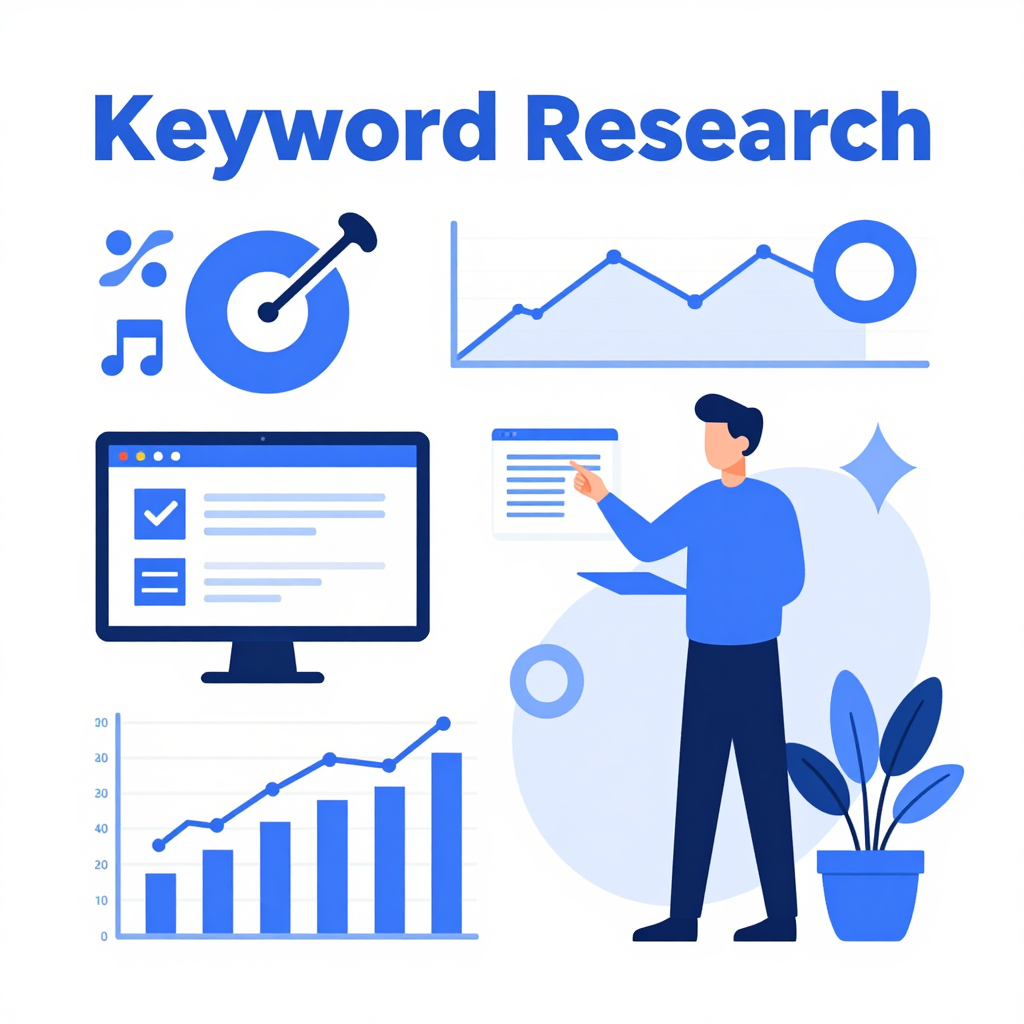
1. Conduct Keyword Research: The Foundation of Your Educational SEO Blog
Why Keyword Research Is Vital
The first step in any educational SEO blog with actionable tips is understanding what your audience searches for. Keywords are the bridge between your content and users’ queries. Without targeting the right keywords, your content risks going unnoticed.
According to a study by Ahrefs, 92% of keywords get fewer than 10 monthly searches, highlighting the importance of picking relevant, high-impact keywords. Additionally, focusing on long-tail keywords (phrases with 3+ words) yields better conversion rates because they address specific user intents.
How to Conduct Effective Keyword Research
- Use Trusted Tools: Google Keyword Planner, Ubersuggest, and Answer The Public are excellent for uncovering search volumes and trends.
- Balance Volume vs. Competition: High volume keywords attract traffic but may be highly competitive. Look for keywords with moderate volume and low competition.
- Include Long-tail Phrases: These suggest specific queries like “best fitness apps for beginners 2024” instead of “fitness apps.”
- Group Keywords by Topics: Clustering related keywords ensures comprehensive coverage and better SEO.
Action Step: Create a list of at least 10 relevant keywords before writing your next blog post or webpage.
2. Optimize Your Page Titles and Meta Descriptions: Crafting the Perfect First Impression
The Importance of Titles & Meta Descriptions
Your page title and meta description are essential for attracting clicks from search engine results pages (SERPs). Studies show that a well-crafted title can increase your click-through rate (CTR) by up to 30%. Meta descriptions, though not direct ranking factors, act as mini-advertisements that persuade users to visit your site.
How to Optimize Titles and Meta Descriptions
- Embed Primary Keywords: Titles and descriptions must include your main keywords naturally.
- Character Limits: Keep titles under 60 characters and meta descriptions under 160 characters to avoid truncation.
- Make Them Compelling: Use actionable words and spark curiosity, e.g., “7 Actionable SEO Tips to Boost Traffic.”
- Use Numbered Lists & Power Words: Numbers and words like “best,” “ultimate,” or “effective” encourage clicks.
Action Step: Audit your top 5 pages and update titles and meta descriptions for SEO and reader engagement.
3. Create High-Quality, Engaging Content: The Heart of an Effective Educational SEO Blog
What Makes Content High-Quality?
Google’s algorithms increasingly reward content that adds genuine value. This means well-researched posts that fully answer user questions, presented clearly and engagingly.
Tips for Writing Engaging Content
- Use Clear Headers and Bullet Points: Break up content with descriptive H2/H3 headings and bullet lists for easy scanning.
- Include Visuals: Images, charts, and infographics enrich the user experience.
- Deep-Dive into Topics: Posts with 1,000+ words generally rank better as they cover subjects comprehensively.
- Update Content Periodically: Refresh your blog posts every few months to retain relevance.
Example: HubSpot reports that companies publishing consistent, high-quality blog posts receive up to 3.5x more traffic and 4.5x more leads.
Action Step: Write or update a post with at least 1,000 words and add meaningful visuals.
4. Improve Website Speed: Ensuring Visitors Stay Longer
Why Speed Impacts SEO and User Experience
Google explicitly states that site speed is a ranking factor. A 1-second delay in page load can reduce conversions by 7%. Mobile users are especially impatient, increasing bounce rates on slow pages.
Steps to Boost Website Performance
- Compress Images: Use tools like TinyPNG or ImageOptim before uploading.
- Choose Good Hosting: Shared hosting may limit speed; consider VPS or managed WordPress hosting.
- Limit Heavy Plugins: Remove or replace plugins that slow down your site.
- Leverage Caching: Plugins like WP Rocket enable browser caching to reduce load times.
- Check Reports: Use Google PageSpeed Insights to pinpoint issues and track improvements.
Action Step: Run a speed test on your homepage and resolve at least one speed-related issue.
5. Build Quality Backlinks: Enhancing Authority and Trust
The Power of Backlinks
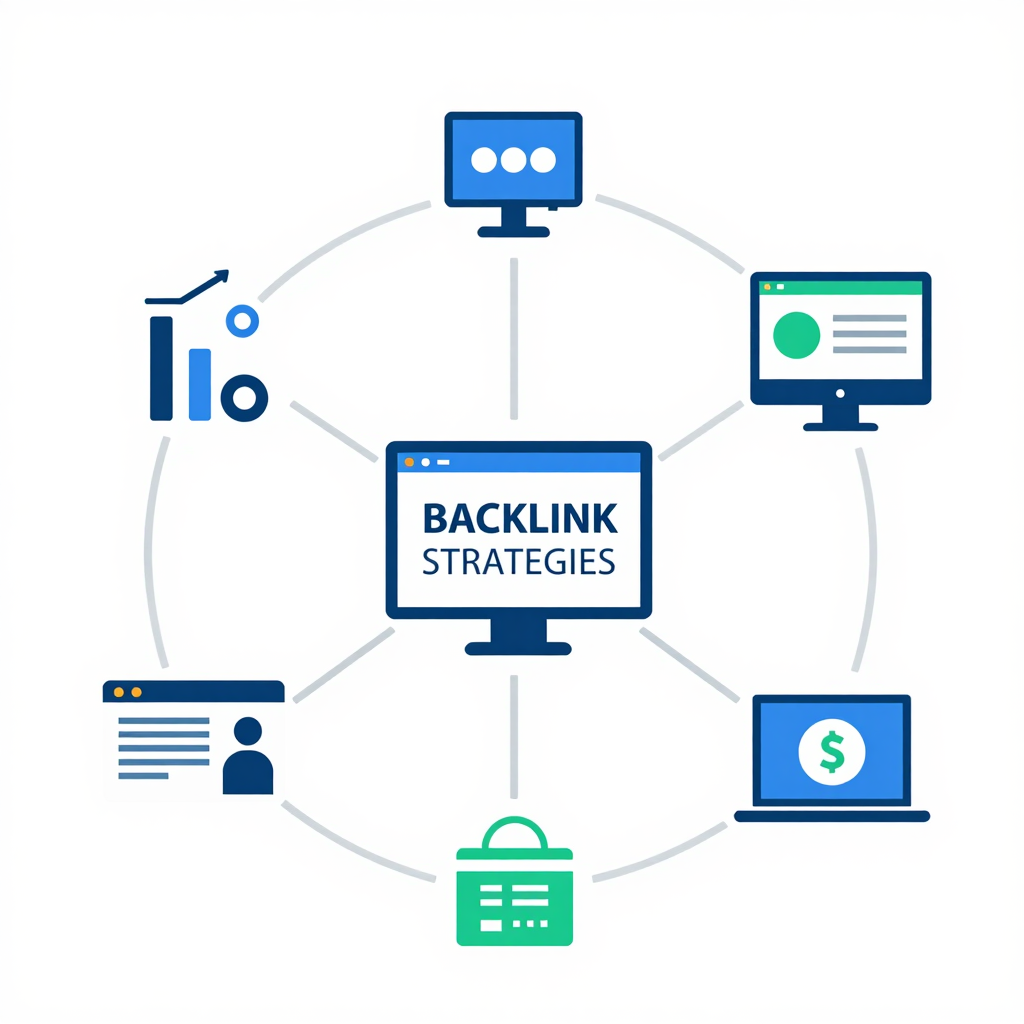
Backlinks act as votes of confidence from other websites, indicating that your content is reliable and relevant. According to Moz, backlink quality outweighs quantity when it comes to ranking power.
Strategies to Earn Quality Backlinks
- Guest Posting: Reach out to related blogs and offer valuable articles.
- Create Shareable Content: Infographics, comprehensive guides, and research attract natural links.
- Engage in Communities: Forums, social media groups, and Q&A sites help build relationships and references.
Action Step: Identify 3 reputable websites in your niche to pitch guest posts or collaborative projects.
6. Optimize for Mobile Devices: Essential in a Mobile-First World
Mobile Optimization and SEO
Over 55% of global web traffic originates from mobile devices. Google’s mobile-first indexing means it predominantly uses the mobile version of your site to determine rankings.
How to Optimize for Mobile
- Implement responsive design frameworks like Bootstrap or custom CSS styles.
- Ensure tap targets (buttons, links) are large enough for easy interaction.
- Use legible fonts and reduce content clutter.
- Test with Google’s Mobile-Friendly Test tool regularly.
Action Step: Perform a mobile usability audit and fix any issues that arise.
7. Use Internal Linking Strategically: Guide Users and Search Engines
Why Internal Linking Matters
Internal links improve navigation, help distribute page authority, and increase the time visitors spend on your website, signaling quality to search engines.
Best Practices for Internal Linking
- Link to relevant articles or pages naturally within your content.
- Use descriptive anchor text instead of generic terms like “click here.”
- Avoid excessive linking that confuses readers or looks spammy.
Action Step: Add at least 3 contextual internal links to your next blog post.
Future Trends in Educational SEO Blogs with Actionable Tips
SEO is dynamic, with many emerging trends shaping how educational blogs perform:
- AI-Powered Content: AI tools are improving content creation and optimization.
- Voice Search Optimization: Queries are becoming voice-based, requiring natural language content.
- Video SEO: Video content will continue to increase in importance for engagement.
- User Experience (UX): Core Web Vitals and site usability will weigh more heavily in rankings.
Staying informed and adapting your educational SEO blog with actionable tips ensures you keep leading the pack.
Conclusion
Creating an effective educational SEO blog with actionable tips involves understanding your audience’s search behavior, crafting compelling titles and content, enhancing site speed, and building authority through backlinks. Implementing these 7 strategies step-by-step not only improves your website’s search engine ranking but also ensures visitors find real value.
Ready to take your SEO to the next level? Contact us today! We offer personalized SEO strategies tailored to your niche and goals.
FAQ
Q1: How long does it take to see SEO results?
SEO is a long-term game. Typically, you may see significant results within 3-6 months depending on competition and effort.
Q2: Can small businesses benefit from SEO?
Absolutely. SEO helps small businesses compete locally and globally by attracting targeted traffic at low cost.
Q3: How often should I update my SEO content?
Review and refresh your content every 3-6 months to maintain accuracy and relevance.
Q4: Do backlinks from any site help?
Quality matters more than quantity. Focus on backlinks from authoritative and relevant websites.
Related posts:
- How to Do Keyword Research in 2024: A Beginner’s Guide
- Top 10 WordPress Plugins to Improve SEO and Speed
- Ultimate Guide to Content Marketing for Small Businesses
Recent Blog

Why AI Automation is Essential for Business Growth in 2026
Why Every Business Needs AI Automation in 2026: Unlocking Growth…

Digital Transformation in 2026: Key Strategies for Success
The Complete Guide to Digital Transformation in 2026: Why It…

Building Future-Ready Applications with Emerging Technologies
Building Future-Ready Applications with Emerging Technologies: A Roadmap for Innovation…