:
:  :
:  CUBICLES CODERS PVT LTD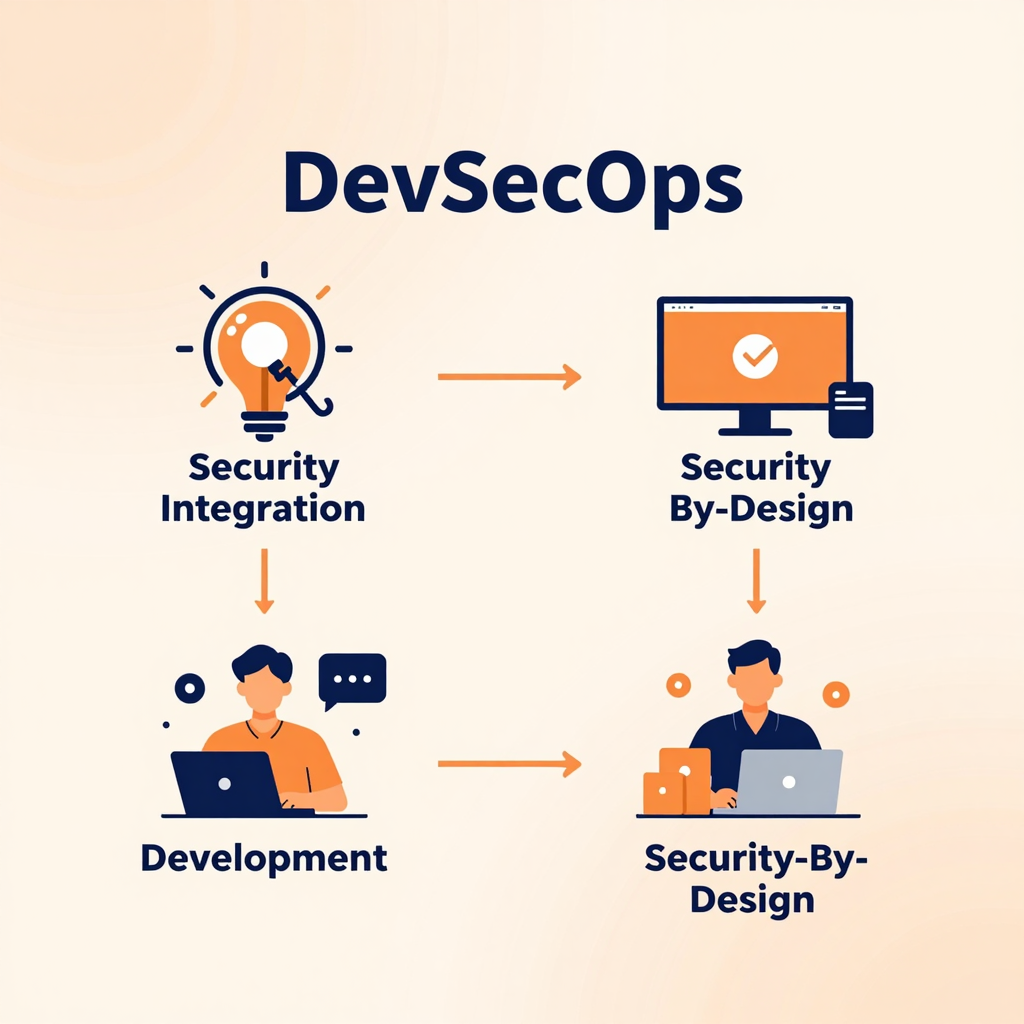
DevSecOps Security From Day One
DevSecOps Explained: Security from Day One – Why Security-by-Design is Becoming Mandatory
Estimated reading time: 7 minutes
Key Takeaways
- DevSecOps integrates security into the development lifecycle from the outset.
- Security-by-design is crucial to meet growing regulatory and customer expectations.
- Implementing core principles of DevSecOps enhances collaboration and efficiency.
- Adopting best practices in secure coding minimizes vulnerabilities.
- Future trends point towards AI-driven tools and a stronger regulatory environment.
Table of Contents
Introduction
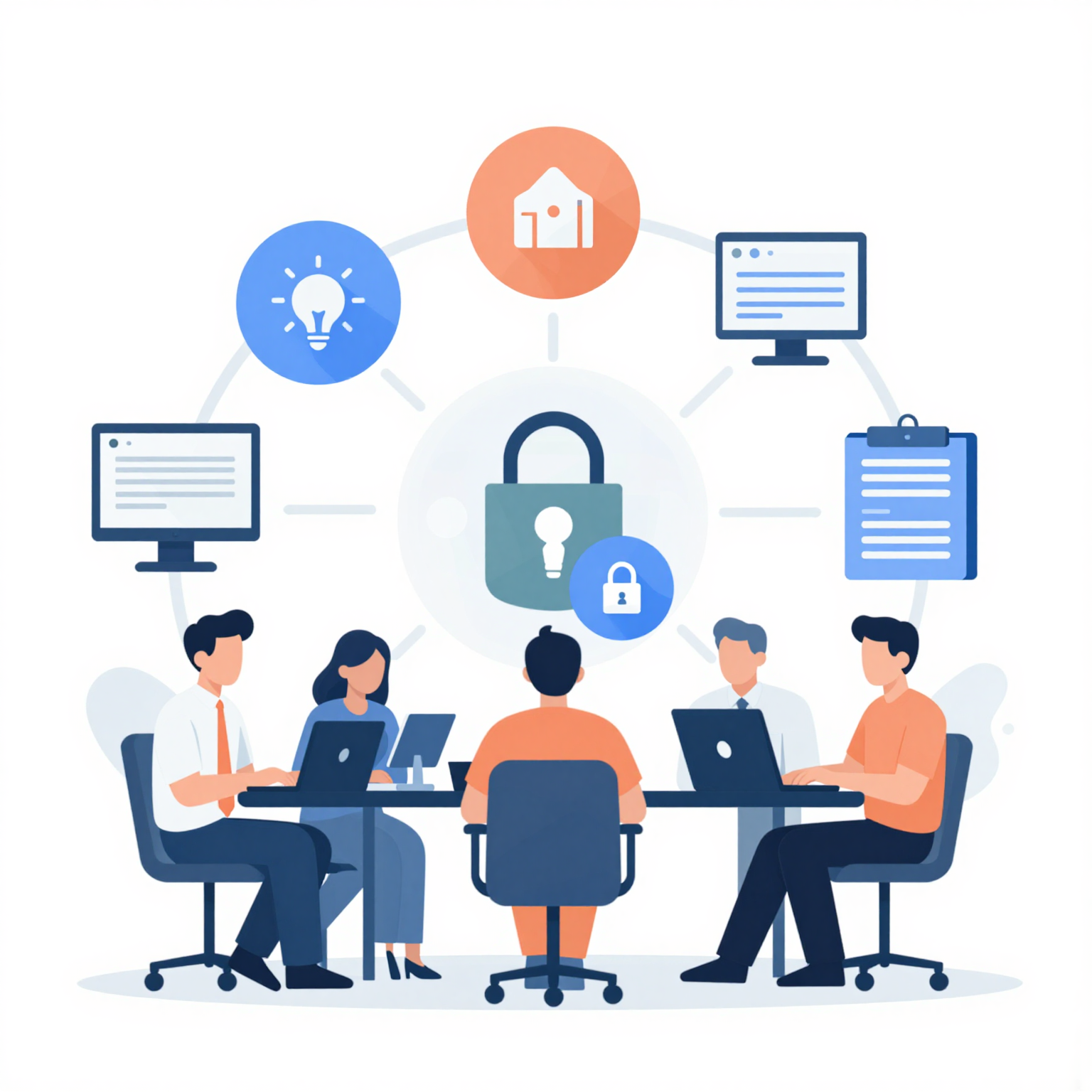
In today’s fast-paced digital world, security can no longer be an afterthought. Organizations globally face increasing cyber threats, regulatory scrutiny, and customer demands for trustworthy software. This is where DevSecOps comes in—a transformative approach that integrates security directly into development and operations from the very beginning. But what exactly is DevSecOps, and why is security-by-design becoming mandatory for businesses of all sizes?
In this article, we’ll take a deep dive into DevSecOps explained: security from day one, highlighting proven secure development practices, the core principles of DevSecOps, and how adopting this mindset can future-proof your software in an era where a single vulnerability can lead to catastrophic consequences. Whether you’re in tech, healthcare, finance, or any other industry, embedding security early saves time, cost, and reputation.
Let’s explore how organizations worldwide are shifting left to build resilience into their applications and infrastructure—before the first line of code even goes live.
Why Security-by-Design is Mandatory
Cyberattacks are growing in both frequency and sophistication. According to recent reports, over 70% of data breaches exploit vulnerabilities in applications. Businesses are no longer judged solely on innovation or user experience; security has become a baseline expectation. Regulatory frameworks such as GDPR, HIPAA, and CCPA also demand stringent data protection and accountability that must be baked into development workflows.
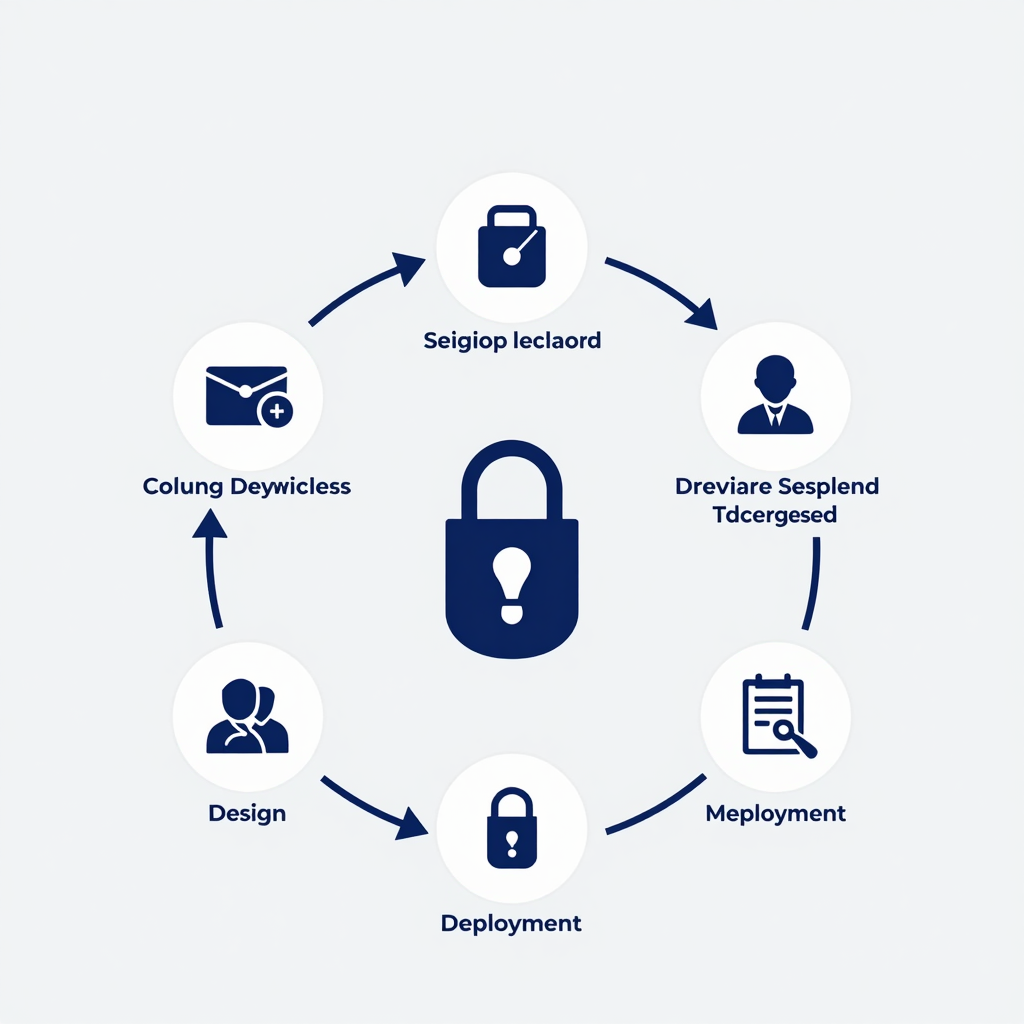
Security-by-design means building security principles into every phase of your software development lifecycle (SDLC) — from requirements gathering and design to coding, testing, and deployment. By doing this, organizations can:
- Prevent costly vulnerabilities that emerge late
- Reduce the risk of data leaks or breaches
- Comply proactively with evolving compliance mandates
- Enhance overall software quality and user trust
Ignoring security early on often leads to costly patches, slowed release cycles, and eroded customer confidence — none of which businesses can afford in today’s competitive landscape.
Core Principles of DevSecOps for Secure Development
DevSecOps isn’t just about tools; it’s a cultural and procedural shift. Here are the five core principles every team should embrace:
1. Shift Left Security
Move security testing to the earliest stages. Incorporate threat modeling and security reviews during design and code development, rather than waiting until deployment.
2. Automated Security Testing
Integrate continuous scanning tools into CI/CD pipelines. Use Static Application Security Testing (SAST), Dynamic Application Security Testing (DAST), and Software Composition Analysis (SCA) to catch vulnerabilities automatically.
3. Continuous Monitoring & Feedback
Implement real-time monitoring of live applications and infrastructure to detect unusual activities or potential breaches quickly and respond effectively.
4. Collaboration Across Teams
Break down siloes. Developers, security, and operations teams work side-by-side, sharing responsibility and knowledge to create a transparent security culture.
5. Policy-as-Code
Write security policies as code to enforce compliance automatically during builds and deployments—minimizing human error and speeding up audits.
With these principles, security is no longer a gatekeeper but an enabler for agile and reliable software delivery.
Secure Development Practices to Follow
To truly embed security from day one, organizations should adopt these best practices:
- Use Secure Coding Standards — Follow OWASP guidelines and other industry standards to prevent common vulnerabilities like injection flaws or cross-site scripting (XSS).
- Implement Least Privilege Access — Restrict user and application permissions strictly to what’s necessary, limiting the impact of compromised credentials.
- Regularly Update Dependencies — Third-party libraries and frameworks are often attack vectors. Keep them patched and up to date.
- Encrypt Sensitive Data — Protect data both at rest and in transit using strong encryption protocols.
- Perform Threat Modeling — Identify potential attack surfaces and risks during project conception to proactively plan mitigations.
- Use Secrets Management Tools — Manage API keys, passwords, and certificates securely—avoid hardcoding in code repositories.
Applying these practices throughout the SDLC helps turn security theory into actionable defense.
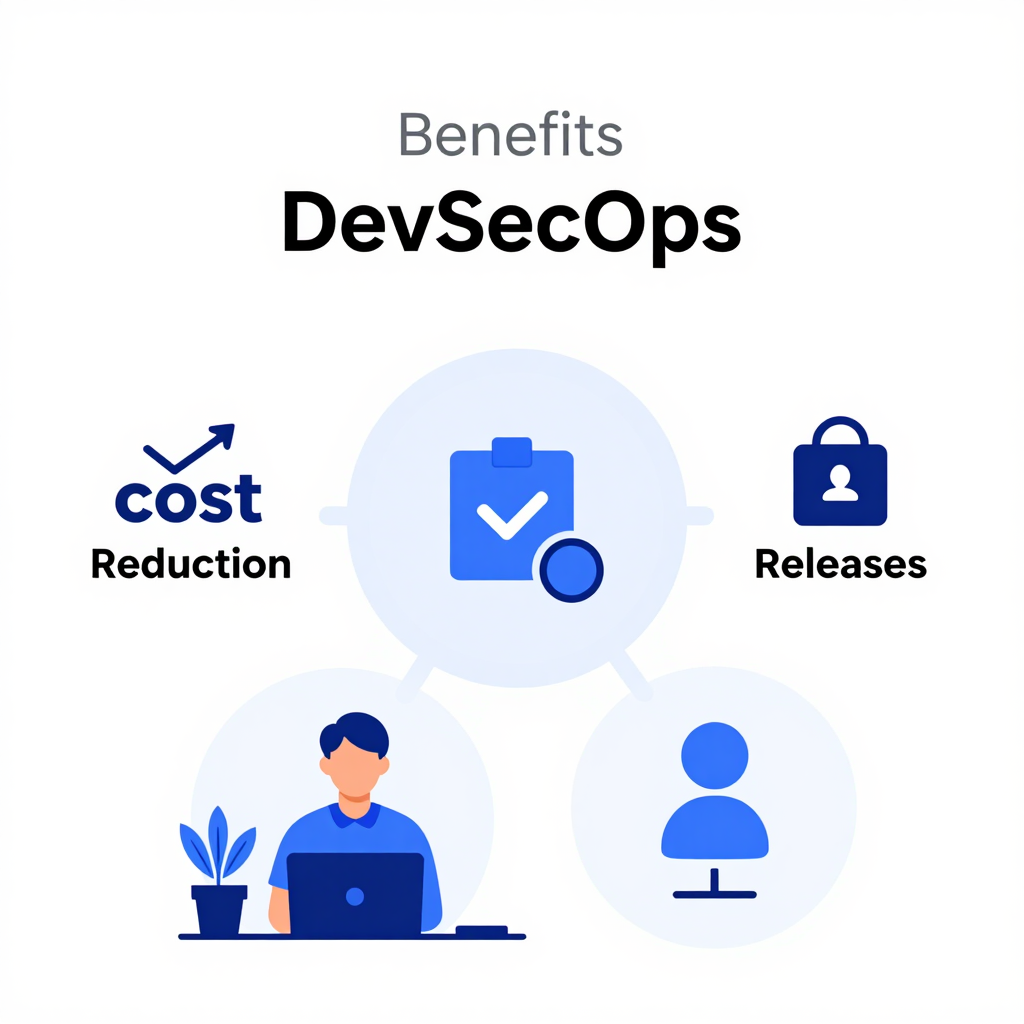
Benefits of DevSecOps
Adopting DevSecOps and security-by-design delivers tangible rewards:
- Reduced Cost and Time of Fixes — Fixing security issues early prevents expensive last-minute patches post-release.
- Faster, Secure Releases — Automated tests and integrated security speed up rather than slow down deployment cycles.
- Higher User and Stakeholder Confidence — Knowing products are built securely strengthens trust and brand loyalty.
- Regulatory Compliance — Easier demonstration of adherence to legal security requirements through audit-ready pipelines.
These advantages combine to give businesses a competitive edge in a risk-heavy market.
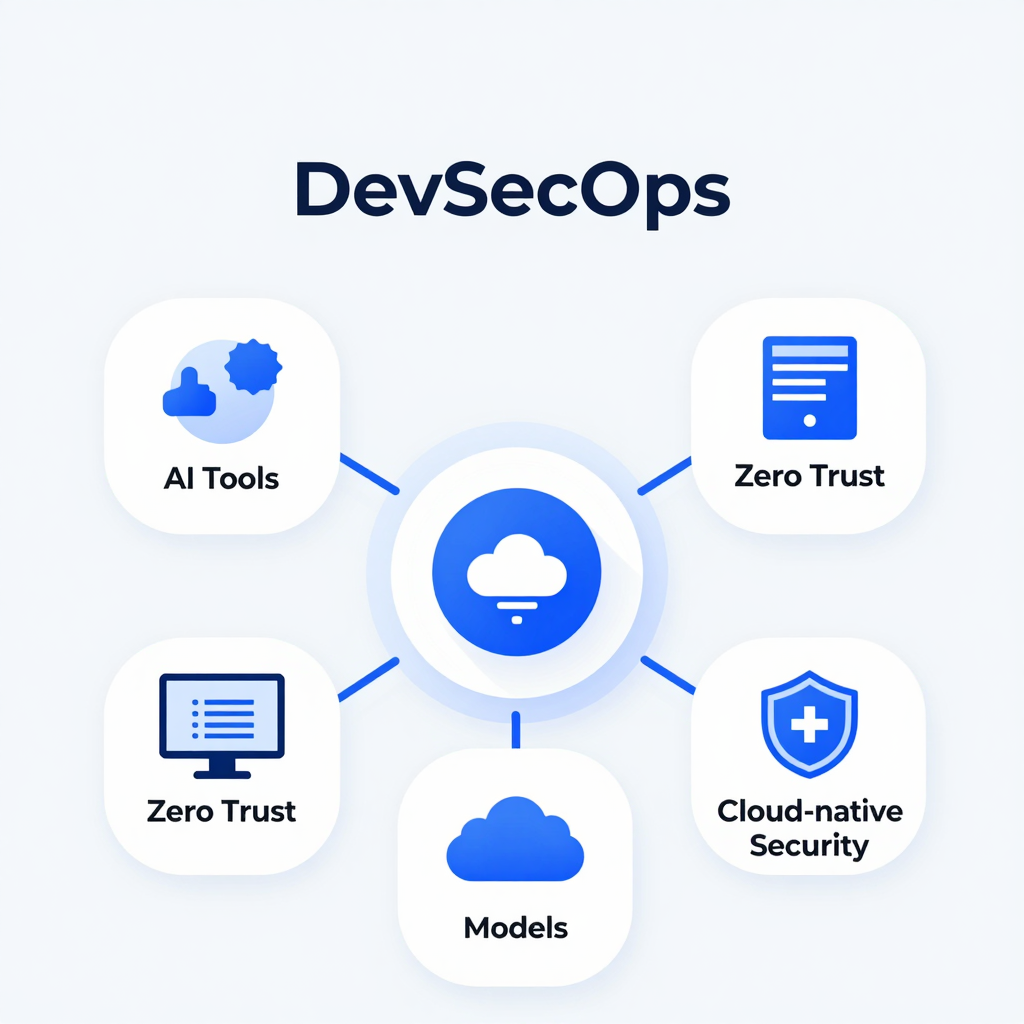
Future Trends in DevSecOps and Security-by-Design
The future of secure development is looking even more promising as new technologies and methodologies evolve:
- AI-Powered Security Tools — Intelligent automation will predict, detect, and remediate vulnerabilities faster than manual teams alone.
- Shift Beyond DevOps — Extending security focus to product management and even customer feedback loops ensures holistic protection.
- Zero Trust Integration — Continuous verification of every request irrespective of network location for heightened security.
- Increased Regulation and Standardization — Expect tighter laws globally, pushing DevSecOps from optional to legally mandated best practice.
- Cloud-Native Security Focus — As cloud deployments surge, securing containerized apps and serverless functions becomes critical.
Staying ahead means embracing these trends while keeping security a foundational priority from development day one.
Conclusion
DevSecOps explained: security from day one is no longer just a buzzword—it’s an essential strategy to safeguard software in today’s threat landscape. Adopting security-by-design ensures vulnerabilities are caught early, compliance is streamlined, and customer trust is maintained. By building security into every phase of development, organizations not only mitigate risk but gain agility and confidence in delivering resilient software products.
Are you ready to transform your development process with DevSecOps? Contact us today to learn how to integrate secure development practices tailored to your unique needs.
FAQ
What is DevSecOps in simple terms?
DevSecOps combines development, security, and operations to build security into software from the start, rather than fixing problems after release.
How does DevSecOps differ from traditional development?
Traditional development often leaves security until the end; DevSecOps shifts security tasks left, throughout the entire lifecycle.
Why is security automation important?
Automation speeds up security testing and reduces human errors, allowing vulnerabilities to be caught early and frequently.
Can DevSecOps help with regulatory compliance?
Yes, by integrating security policies into CI/CD workflows, DevSecOps makes it easier to stay compliant with laws like GDPR and HIPAA.
What industries benefit most from DevSecOps?
All industries benefit, but especially those handling sensitive data such as finance, healthcare, retail, and technology.
Recent Blog

Build a Multi-Vendor Marketplace for Startup Success
Build Your Own Multi-Vendor Marketplace Like Amazon: A Startup’s Guide…

How AI Chatbots Improve Customer Support and Sales
How AI Chatbots Improve Customer Support & Sales: Unlocking the…

10 Signs Your SME Needs Custom Software Now
10 Signs Your Business Needs a Custom Software Solution Estimated…