:
:  :
:  CUBICLES CODERS PVT LTD
Cybersecurity AI Threats: Stay Ahead with Smart Security
Cybersecurity & AI: Staying One Step Ahead of Increasing AI Threats
Estimated reading time: 7 minutes
Key Takeaways
- AI is significantly increasing the sophistication of cyberattacks.
- Implementing proactive security measures is essential for individuals and organizations.
- Educating users about AI threats can enhance overall cybersecurity.
- Staying informed about emerging AI technologies helps in better defense against attacks.
- Collaboration and regulation are key to addressing AI-induced cybersecurity challenges.
Table of Contents
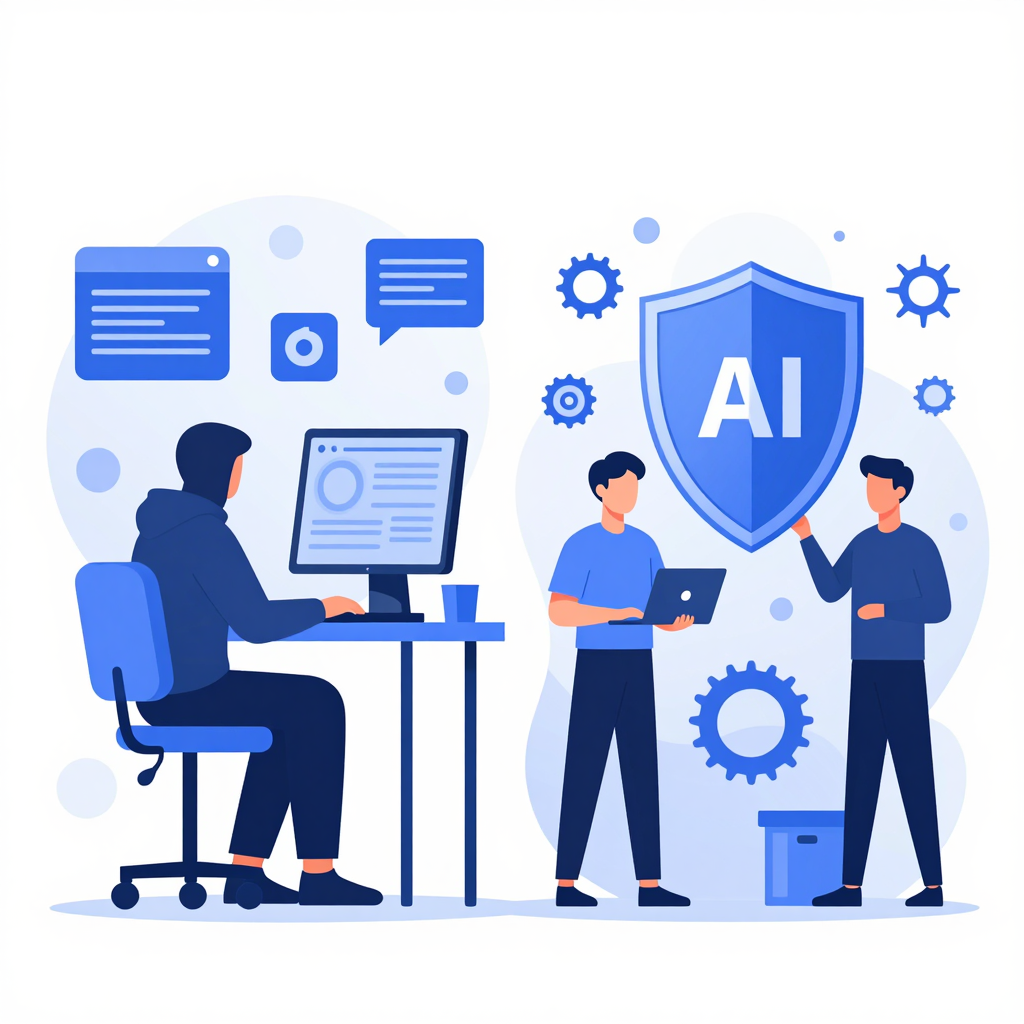
Introduction
In today’s hyperconnected world, Cybersecurity & AI have become inseparable topics that demand our immediate attention. As artificial intelligence (AI) technologies advance rapidly, cyber threats powered by AI are also increasing exponentially. This evolving landscape has global implications, affecting individuals, businesses, healthcare, finance, and governments alike.
With AI’s ability to automate attacks and bypass traditional security protocols, understanding and addressing these risks is critical. This article explores the rising AI threats, offers essential security tips, and discusses how these practices build trust in software and systems we rely on daily. Whether you’re a tech professional in India or a business owner elsewhere, staying informed on these issues is key to safeguarding your digital assets. Let’s dive in and ensure you stay one step ahead in this dynamic cyber battlefield.
Understanding the Rising AI Threats in Cybersecurity
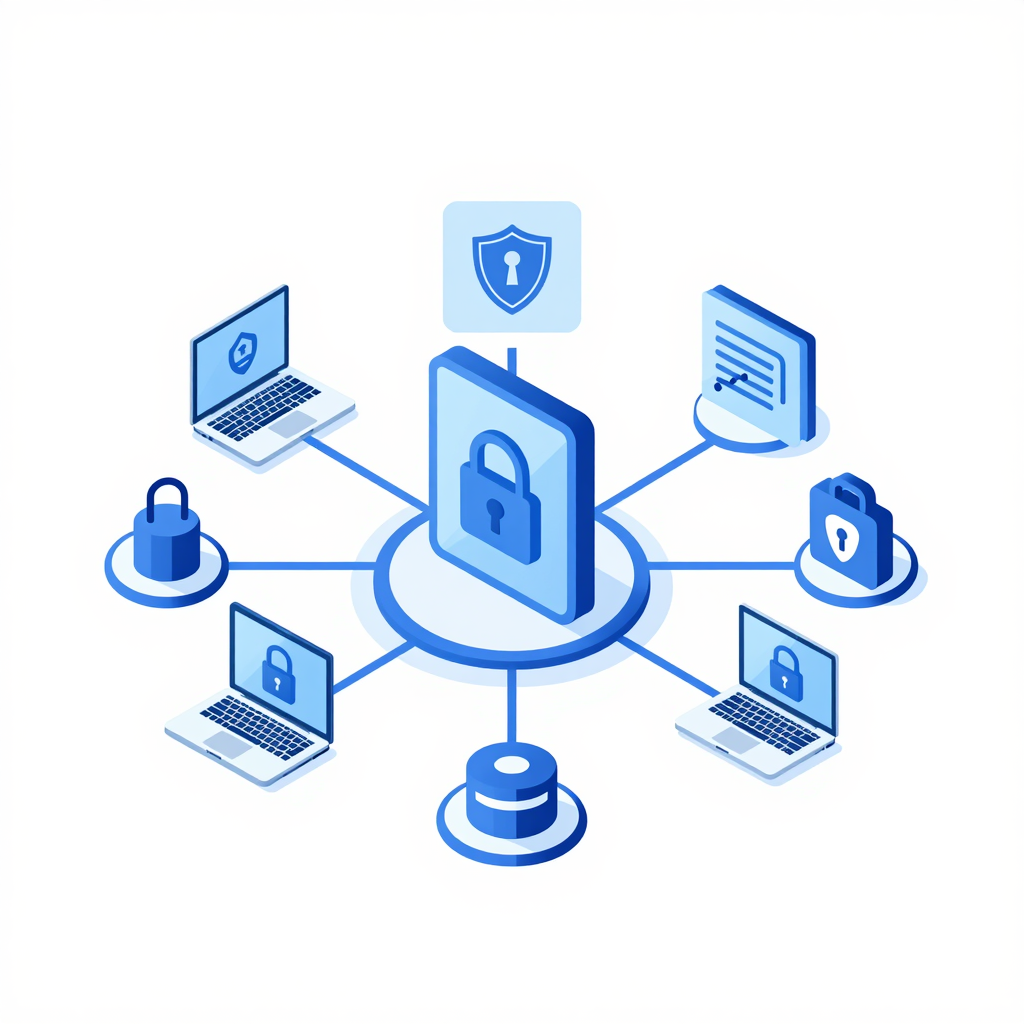
AI has brought tremendous benefits, but unfortunately, it also empowers cybercriminals. According to a recent report, AI-enabled cyberattacks are expected to increase by over 30% annually in the next five years. Attackers use AI to automate phishing, crack passwords, and even mimic human behavior to infiltrate systems undetected. The sophistication of such threats means traditional cybersecurity measures alone are no longer sufficient.
AI-driven attacks can produce highly personalized spear-phishing emails at scale, launch deepfake scams, and exploit vulnerabilities before they are patched. For businesses, this translates into higher risks of data breaches, financial loss, and reputation damage. Individuals must be vigilant too as attackers can manipulate AI to steal personal information or conduct identity theft.
Cybersecurity teams worldwide are racing to adapt defenses, but the evolving nature of AI threats means continuous awareness and proactive security measures are essential for everyone.
Key Insights: How Cybersecurity & AI Interact
To understand how AI impacts cybersecurity, consider these key points:
| Aspect | Role of AI | Resulting Cybersecurity Challenge |
|---|---|---|
| Automation of attacks | AI automates phishing and malware | High volume of sophisticated attacks |
| Voice and video mimicry | Deepfakes create fake identities | Difficulty in verifying authenticity |
| Password cracking | AI-powered brute force algorithms | Need for stronger authentication methods |
| Threat detection | AI enhances anomaly detection | Requires continual tuning and updates |
| Software patching | AI predicts vulnerabilities | Faster exploitation if delayed |
These insights emphasize the delicate balance—AI helps both defenders and adversaries. Leveraging AI defensively while understanding offensive tactics can greatly improve security postures.
Real-World Examples of AI Threats and Security Responses
- Healthcare Sector: A major hospital faced ransomware attacks that used AI to identify weak entry points in their network. After a comprehensive upgrade to multi-factor authentication and AI-powered monitoring, they reduced incidents by 70%.
- Financial Services: Banks are increasingly targeted by AI-driven phishing attacks mimicking executive emails. Implementing strict email authentication protocols and employee training improved detection rates.
- E-commerce: AI was used to mimic customer behavior and test stolen credit card information rapidly. Using AI-powered fraud detection tools, retailers minimized unauthorized transactions substantially.
- Government Agencies: Deepfake videos aiming to spread misinformation were quickly identified through AI-based content verification systems, helping maintain public trust.
- Small Businesses: Many SMEs suffered data loss due to outdated software exploited by AI-guided malware. Regular updates and data backups became their primary defense strategy.
These cases highlight the versatility of AI threats and the necessity of an equally dynamic security approach.
Step-by-Step Guide: Essential Security Tips to Stay Safe from AI Threats
Protecting yourself and your organization requires deliberate action. Follow these practical steps:
- Use Strong, Unique Passwords: Avoid reusing passwords. Use password managers to generate and store complex passwords safely.
- Enable Multi-Factor Authentication (MFA): MFA adds an extra layer of protection beyond passwords. Always opt for MFA when available.
- Keep Software and Devices Updated: Regularly update operating systems, applications, and security software to patch vulnerabilities.
- Be Vigilant with Emails and Links: Never click on suspicious attachments or links, even if they seem legitimate. Verify the sender’s identity when in doubt.
- Regularly Back Up Data Offline: Maintain backups disconnected from the network to prevent ransomware or malware from affecting them.
- Train Your Team: Educate employees and family members about the risks of AI-powered social engineering tactics.
- Use AI-Powered Security Tools: Employ advanced cybersecurity software that uses AI for real-time threat detection and response.
- Monitor and Audit Systems Frequently: Continuous monitoring helps identify unusual behavior early before damage occurs.
By systematically applying these tips, you enhance overall cybersecurity & AI defenses, reduce risk, and build user confidence.
Benefits and Additional Security Tips
Embracing effective cybersecurity practices in the AI era delivers numerous benefits:
- Improved Trust: Users and customers feel safer, boosting loyalty and software credibility.
- Reduced Downtime: Prevent costly breaches that can halt operations.
- Regulatory Compliance: Meet data protection standards critical in many industries.
- Better Incident Response: Early threat detection limits damage scope.
- Cost Savings: Avoid financial losses associated with cybercrime.
Additional tips to consider:
- Regularly review access permissions.
- Use encryption for sensitive data.
- Establish a clear incident response plan.
- Stay informed about emerging AI threats.
Future Trends in Cybersecurity & AI
Looking ahead, several trends will shape cybersecurity’s interface with AI:
- AI-Driven Defense Systems: Increased adoption of AI for predictive threat hunting and automated patching.
- Quantum Computing Impact: Potential to both break and enhance current encryption methods, requiring post-quantum cryptography efforts.
- Enhanced User Authentication: Biometric and behavioral AI authentication will become standard.
- AI Regulation: Governments will introduce stricter rules governing AI to prevent misuse in cyberattacks.
- Collaborative Cybersecurity Networks: Organizations pooling AI threat intelligence to create stronger defenses collectively.
Staying proactive and adaptive to these trends will be the cornerstone of future-proof security strategies.
Conclusion
As Cybersecurity & AI intertwine more deeply, the rise in AI threats cannot be ignored. However, by adopting strong security habits—like using unique passwords, enabling MFA, updating software, and staying vigilant—you can greatly reduce your risk and build trust in the software you use daily. Cybersecurity is a shared responsibility, whether you are an individual user, a business owner, or part of a global organization.
Stay informed, implement best practices, and leverage AI-powered defenses to keep your digital world safe. Don’t wait until a breach happens—be proactive now!
Contact us today! Let’s help you secure your systems and stay ahead in the AI-driven cybersecurity landscape.
FAQ
Q1: How does AI increase cybersecurity threats?
AI automates and enhances attack techniques like phishing, password cracking, and deepfake creation, leading to more sophisticated and frequent cyberattacks.
Q2: What is the most effective way to build trust in software?
Implementing strong security practices, transparent data protection policies, and continuous software updates helps build user trust.
Q3: Are AI-powered security tools reliable?
Yes, they significantly improve threat detection and response times, but they should be part of a comprehensive security strategy.
Q4: How often should I back up my data?
Regularly—ideally daily—and ensure backups are stored offline or in secure cloud environments.
Q5: Is multi-factor authentication necessary?
Absolutely; MFA greatly reduces the risk of unauthorized access even if passwords are compromised.
Related posts:
Recent Blog

Build a Multi-Vendor Marketplace for Startup Success
Build Your Own Multi-Vendor Marketplace Like Amazon: A Startup’s Guide…
How AI Chatbots Improve Customer Support and Sales
How AI Chatbots Improve Customer Support & Sales: Unlocking the…

10 Signs Your SME Needs Custom Software Now
10 Signs Your Business Needs a Custom Software Solution Estimated…