:
:  :
:  CUBICLES CODERS PVT LTD
Cut Costs 40% with Fast AI Chatbot Support
Cut Costs up to 40% & Slash Response Time for Real Results
Estimated reading time: 7 minutes
Key Takeaway
- AI chatbots can reduce operational costs by up to 40%.
- Businesses can improve response times to under 30 seconds.
- Implementing chatbots can lead to increased customer satisfaction.
- Automating routine tasks frees up human resources for higher-value work.
- Chatbots enhance scalability and efficiency across various sectors.
Table of Contents

- Introduction
- Understanding the Problem: Why Response Time and Costs Matter
- How Chatbots Work: Key Insights and Functionality
- Real-World Case Studies: E-commerce & Healthcare in Action
- Step-by-Step Guide to Implementing a Chatbot Service
- Benefits and Tips for Maximizing Chatbot ROI
- Future Trends in Chatbot Technology
- Conclusion
- FAQ
Introduction

In today’s fast-paced digital world, customer support speed and efficiency can make or break a business. What if you could cut operational costs by up to 40% while boosting your customer satisfaction? This isn’t just a promise—it’s a proven result from companies leveraging AI chatbot technology. For example, an e-commerce store saw their average response time plummet from 15 minutes to under 30 seconds, which increased conversions by 25%. Similarly, busy clinics have cut patient inquiry backlogs by 50%, streamlining appointment scheduling through AI assistants.
How can your business replicate these results? This article dives deep into the cost-saving benefits of chatbots, shows real-life use cases, and offers a step-by-step guide for implementation—all while helping you understand what to expect next in chatbot technology. Whether you’re in retail, healthcare, or service industries, these insights will equip you to transform your customer support and cut costs drastically.
Understanding the Problem: Why Response Time and Costs Matter

Poor customer service is a leading cause of lost business globally. According to recent studies, slow response times lead to a 70% chance of customers switching brands. Longer wait times not only frustrate users but also increase operational costs as more human agents are needed to handle backlogs.
In sectors like e-commerce, delays directly translate to lost sales and diminished brand loyalty. Clinics and healthcare providers face appointment delays and patient dissatisfaction when inquiries aren’t addressed promptly. Given these challenges, businesses urgently need efficient solutions that can reduce their operational costs and trim response times dramatically.
Metric Before Chatbot After Chatbot Avg Response Time 15 minutes Under 30 seconds Conversion Rate Baseline +25% Patient Inquiry Backlog High Reduced by 50% Operational Costs Baseline Reduced by up to 40%
Recognizing this, companies are moving towards AI chatbot implementation—the natural evolution for scalable customer support.
How Chatbots Work: Key Insights and Functionality
Chatbots are AI-driven tools designed to automate communication and streamline queries across various customer touchpoints. Here’s how they deliver value:
- Instant Response: Chatbots answer repetitive questions immediately, reducing wait times from minutes to seconds.
- 24/7 Availability: No off-hours or break times—customers receive support anytime.
- Cost Efficiency: Automating routine tasks allows companies to reduce manpower and save operational costs.
- Scalable: Manage thousands of simultaneous inquiries without extra resources.
- Personalized Experience: Advanced AI can tailor responses based on user data and past interactions.
- Integration: Easily integrates with CRM, booking systems, and e-commerce platforms for seamless workflows.
There are two main types of chatbots:
Feature Rule-Based Chatbots AI-Powered Chatbots Understanding Predefined keywords Natural Language (NLP) Complexity Handling Limited Advanced, contextual Learning Capability No Yes, improves over time Use Case Simple FAQs Complex customer queries
This combination of cost savings and enhanced customer experience is why chatbots have become indispensable tools for businesses keen on efficiency.
Real-World Case Studies: E-commerce & Healthcare in Action
Case Study 1: E-commerce Boost
Before adopting a chatbot, a mid-sized retail e-commerce site faced a growing backlog in customer queries, with an average response time of 15 minutes causing frustrated customers to abandon carts. After deployment of an AI chatbot service:
- Average response time dropped to less than 30 seconds.
- Conversion rates increased by 25% due to immediate assistance.
- Operational costs reduced by 35% by automating order status updates, returns, and FAQs.
Case Study 2: Clinic Transforms Patient Management
A busy urban clinic struggled with scheduling appointments and managing inquiries from hundreds of patients. Long wait times and manual handling led to a high cancellation rate. Post-chatbot:
- Patient inquiry backlog dropped by 50%.
- Appointment scheduling became automated 24/7.
- Staff could focus on treatment instead of administrative tasks.
- Overall patient satisfaction rose significantly.
Case Study 3: Tech Startup Customer Support
A SaaS company dealing with technical troubleshooting integrated a chatbot to handle tier-1 issues. Results included:
- Response times reduced by 70%.
- Support agent workload decreased by 40%.
- Customer retention improved due to faster resolution.
These examples underscore the transformative power of chatbot technology across diverse industries.
Step-by-Step Guide to Implementing a Chatbot Service
Ready to deploy your own chatbot? Follow these simple but crucial steps:
- Define Objectives: Identify what problems your chatbot will solve (e.g., answer FAQs, schedule appointments).
- Choose the Right Platform: Pick between rule-based or AI-powered services based on your needs.
- Integrate with Existing Systems: Ensure the chatbot works with your CRM, booking tools, or e-commerce platform.
- Design Conversational Flows: Map out customer journeys that the chatbot will handle.
- Train the Chatbot: Use your data to improve accuracy and contextual understanding.
- Launch and Monitor: Deploy the chatbot and closely monitor interactions for continuous improvement.
- Collect Feedback: Use customer and agent feedback to tweak performance.
- Scale Up: Gradually increase chatbot responsibilities for more complex tasks.
Following this approach guarantees a smoother transition and maximizes ROI from day one.
Benefits and Tips for Maximizing Chatbot ROI
- Cut operational costs up to 40%.
- Boost customer satisfaction with response times under 30 seconds.
- Increase sales conversions by providing instant support on purchase decisions.
- Free up human agents for higher-value tasks.
- Leverage analytics to continuously refine chatbot responses.
- Promote chatbot use prominently on your website and communication channels.
- Train your team on chatbot features to allow seamless escalation when needed.
Remember, chatbot success depends on ongoing improvements and customer-centric design.
Future Trends in Chatbot Technology
The future of chatbots is bright and evolving rapidly:
- Advanced NLP: More natural, human-like conversations powered by breakthroughs in AI.
- Omnichannel Integration: Seamless support across social media, SMS, websites, and voice assistants.
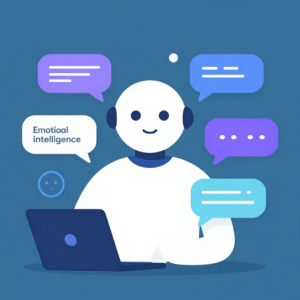
- Emotional Intelligence: Detecting user sentiments to tailor supportive responses.
- Proactive Assistance: Chatbots will anticipate needs rather than just react.
- Hybrid Models: Combining AI chatbots with human agents dynamically for best customer experience.
These emerging trends will further drive cost savings and improve response time, making them critical investments for forward-thinking businesses.
Conclusion
Cutting operational costs by up to 40% while accelerating your response time to under 30 seconds is no longer a dream—it’s a reality with modern chatbot solutions. Whether you’re in e-commerce, healthcare, or tech, AI-powered chatbots transform your customer support, increase conversions, and improve satisfaction.
Are you ready to revolutionize your customer experience and save costs? Contact us today to get started with our expert chatbot service and witness instant business growth.
FAQ
How quickly can a chatbot reduce response times?
Businesses typically see improvements immediately after deployment, with average response times dropping dramatically within days.
Will a chatbot replace human agents?
Chatbots handle routine queries, freeing agents to focus on complex issues—leading to better overall productivity.
Are chatbots expensive to implement?
The ROI from cost savings and increased sales usually offsets the initial investment quickly.
Can chatbots integrate with my current software?
Most modern chatbots support integration with CRM, booking systems, e-commerce platforms, and more.
Is chatbot technology suitable for small businesses?
Absolutely. Chatbots scale according to business needs, making them effective for both small and large enterprises.
Recent Blog
Why AI Automation is Essential for Business Growth in 2026
Why Every Business Needs AI Automation in 2026: Unlocking Growth…

Digital Transformation in 2026: Key Strategies for Success
The Complete Guide to Digital Transformation in 2026: Why It…
Building Future-Ready Applications with Emerging Technologies
Building Future-Ready Applications with Emerging Technologies: A Roadmap for Innovation…