:
:  :
:  CUBICLES CODERS PVT LTD
Why Your Business Website Is Not Getting Leads and How to Fix It
Why Your Business Website Is Not Getting Leads (And How to Fix It)
Estimated reading time: 7 minutes
Key Takeaways
- Website clarity about offerings is crucial for keeping visitors engaged.
- Improving user experience and navigation can significantly enhance lead conversion rates.
- Strong calls to action (CTAs) guide users on how to interact with your business.
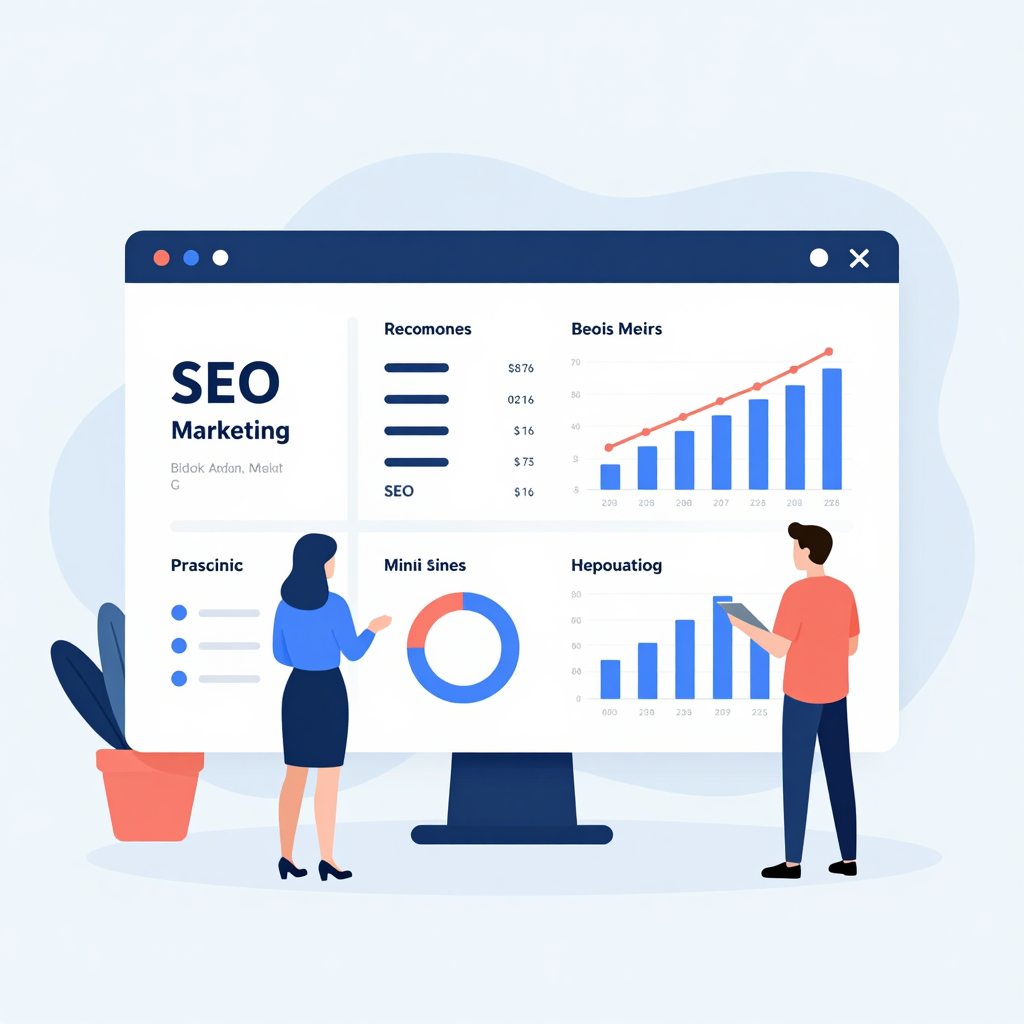
- Search engine optimization (SEO) increases visibility, driving more traffic to your site.
- Trust signals such as testimonials build credibility and encourage conversions.
Table of Contents
Introduction

Is your business website attracting visitors but failing to convert them into leads? You’re not alone. Many companies invest significant resources into building a website, yet wonder, why your business website is not getting leads. This problem affects businesses worldwide, including in fast-growing markets like India, where digital presence is a key competitive differentiator.
A website is more than just an online brochure; it’s your primary lead-generation engine. When leads aren’t coming through, the issue often lies in a mix of design flaws, unclear messaging, weak calls to action (CTAs), poor search engine optimization (SEO), or usability problems. Fixing these challenges can dramatically increase your conversion rates and sales pipeline.
This guide will uncover the most common reasons your website isn’t producing leads and provide clear, actionable solutions. At the end, you’ll find a practical checklist tailored to help you audit and optimize your site for better lead generation.
Common Problems and How to Fix Them
1. Your Website Is Not Clear About Your Offer
Problem: Visitors land but quickly leave because they don’t immediately grasp what you provide or how it benefits them. Confusing or vague messaging kills interest in seconds.
Solution:
- Use clear, concise headlines that highlight your unique value proposition right above the fold.
- Focus on the problems you solve, not just your products or services.
- Emphasize benefits over features, making it easy for visitors to relate.
2. Poor User Experience (UX) and Navigation
Problem: Visitors struggle navigating your site, getting lost or frustrated trying to find essential information.
Solution:
- Simplify your menu structure—limit choices and group related items logically.
- Make CTAs prominent and intuitive, like “Get a Free Quote” or “Book a Demo.”
- Ensure mobile-responsive design and optimize site speed. A slow or broken mobile site drives users away instantly.
3. Lack of Strong Calls to Action (CTAs)
Problem: Without compelling CTAs, users don’t know the next step or how to engage with your business.
Solution:
- Place clear, action-driven CTAs on every key page.
- Use contrasting colors and simple language like “Download Now,” “Contact Us,” or “Subscribe for Tips.”
- Test CTA placements with A/B testing to find what converts best.
4. Your Website Isn’t Optimized for SEO
Problem: A great website with poor search visibility means fewer visitors and fewer leads.
Solution:
- Perform keyword research targeting your audience’s search terms.
- Use keywords naturally in titles, meta descriptions, headers, and content.
- Optimize images with descriptive alt tags and file names.
- Regularly update your blog with relevant, value-packed posts to climb search rankings.
5. Missing or Ineffective Lead Capture Forms
Problem: Even interested visitors won’t convert if forms are too long, complicated, or hard to find.
Solution:
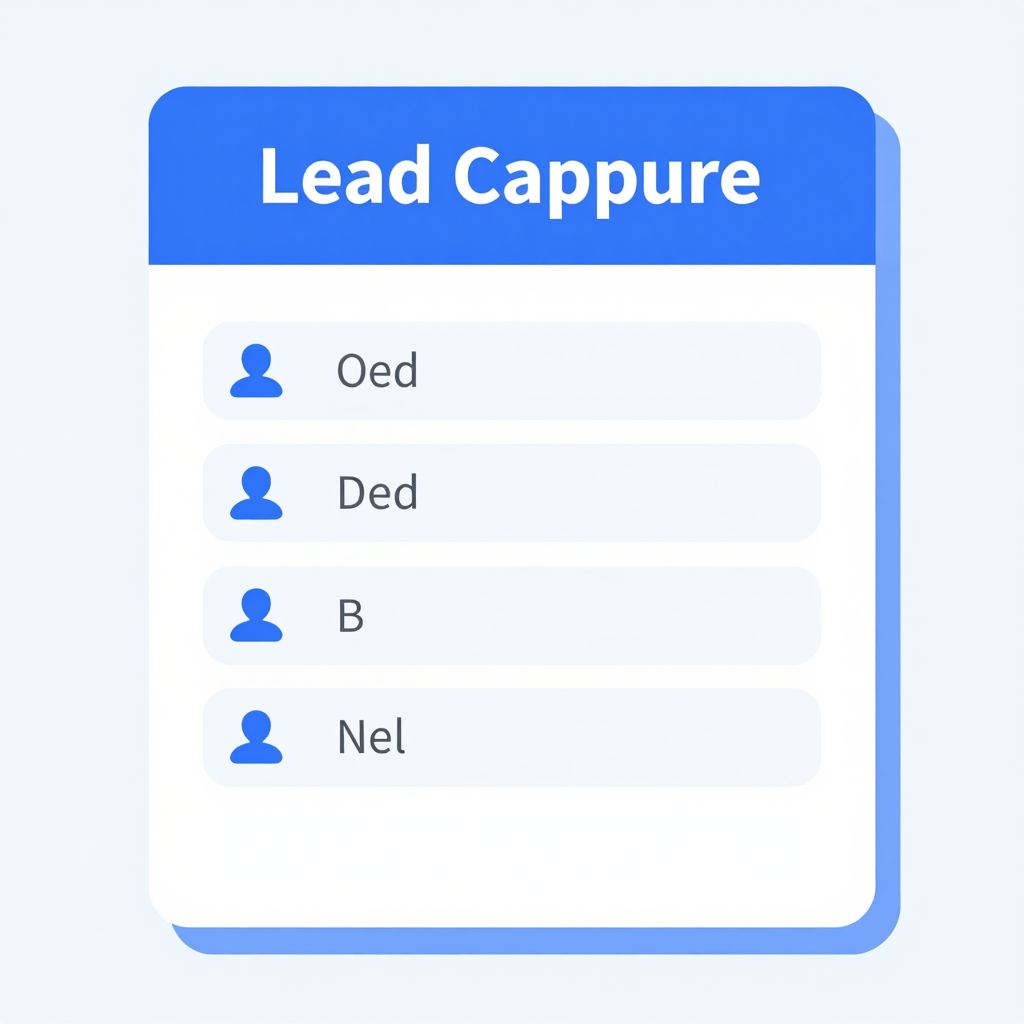
- Keep forms simple—only ask for essential info like name, email, and phone.
- Use autofill and progress indicators for longer forms.
- Highlight what users gain by completing the form (e.g., “Receive a Free Guide”).
6. Lack of Trust Signals
Problem: Potential customers hesitate if your site lacks credibility cues.
Solution:
- Showcase customer testimonials, case studies, and client logos prominently.
- Display certifications, awards, and security badges to reassure visitors.
- Make contact information easy to find and include an engaging “About Us” page with team bios and company story.
7. Ignoring Analytics and Feedback
Problem: Without data, you can’t identify where visitors drop off or which content resonates.
Solution:
- Install Google Analytics and heatmapping tools like Hotjar.
- Analyze visitor behavior and conversion paths regularly.
- Collect customer feedback through surveys or direct emails to guide improvements.
Lead Generation Website Checklist
Use this checklist to audit your current site and identify critical fixes for better lead flow:
Clarity
- [ ] Clear, compelling headline and subheadline on homepage
- [ ] Strong value proposition above the fold
- [ ] Easy-to-understand descriptions of products/services
User Experience
- [ ] Simplified, logical navigation menu
- [ ] Mobile-responsive design and fast loading times
- [ ] Visually prominent CTAs on every key page
SEO Best Practices
- [ ] Relevant keyword research completed and applied naturally
- [ ] Unique meta titles and descriptions for pages
- [ ] Proper use of header tags (H1, H2, etc.)
- [ ] Optimized images with alt tags
- [ ] Frequent blog updates with valuable content
Lead Capture
- [ ] Short, user-friendly contact or signup forms
- [ ] Multiple strategically placed CTAs
- [ ] Integration with CRM or marketing automation tools
Trust and Credibility
- [ ] Testimonials or customer reviews displayed
- [ ] Certifications, awards, and client logos shown
- [ ] Clear contact information (phone, email, address)
- [ ] Informative “About Us” page
Analytics and Feedback
- [ ] Google Analytics installed and regularly reviewed
- [ ] Heatmap/session recording tools active
- [ ] System to gather and analyze customer feedback
Step-by-Step Guide to Fix Lead Generation Issues
- Audit your current website performance: Use tools like Google Analytics and Google Search Console to identify problem pages.
- Clarify your value proposition: Rewrite headlines to communicate your offer boldly and clearly.
- Simplify navigation and UX: Streamline menus, test CTAs, and check mobile responsiveness.
- Optimize for SEO: Research and integrate targeted keywords; improve metadata and image descriptions.
- Revamp lead capture forms: Shorten forms and emphasize benefits of signing up.
- Add trust signals: Incorporate testimonials, awards, and detailed company info.
- Implement tracking & feedback mechanisms: Monitor analytics and ask for visitor input regularly.
- Test and iterate: Run A/B tests on CTAs, form placement, and page layouts to maximize leads.
Benefits and Tips for Ongoing Success
- Consistent messaging builds trust and keeps visitors engaged.
- Mobile optimization is non-negotiable—over 50% of web traffic comes from smartphones worldwide.
- Regular content updates improve SEO and keep your audience coming back.
- Use social proof wisely to reduce visitors’ hesitation.
- Leverage data to make informed decisions, increasing lead conversion rates over time.
Future Trends in Website Lead Generation
Looking ahead, websites will increasingly rely on AI-driven personalization to tailor user experiences dynamically. Chatbots and live chat features will offer instant engagement, improving lead capture. Voice search is also gaining traction, requiring SEO to adapt accordingly. Moreover, immersive experiences like AR/VR could soon transform how businesses showcase products online, massively impacting lead interaction.
Staying current with these evolving technologies can give your lead generation efforts a competitive edge.
Conclusion
Understanding why your business website is not getting leads is the first step to fixing it. By addressing core issues like unclear messaging, poor UX, weak CTAs, lack of SEO, and missing trust signals, you’ll create a website that truly converts. Use the checklist and guide above to audit and optimize your site systematically.
Don’t let lead opportunities slip away—take action now, or partner with experts to maximize your site’s potential. Your next customer is just a click away!
Contact us today to get started on turning your website into a high-performing lead generation machine.
FAQ
Q: How quickly can I expect results after fixing my website issues?
A: Depending on the changes and your traffic volume, you may see improvements within weeks, but SEO gains typically take a few months.
Q: Are lead generation improvements industry-specific?
A: While some tactics vary by industry, most lead generation principles apply universally across tech, health, business, and lifestyle niches.
Q: Can I optimize my site myself or do I need a professional?
A: Small fixes can be DIY, but comprehensive audits and technical SEO often require experts to maximize results.
Q: How often should I update my website content?
A: Regular updates, at least monthly, keep your site relevant for both visitors and search engines.
Q: What tools are best for analyzing website visitor behavior?
A: Google Analytics is essential; heatmaps like Hotjar or Crazy Egg provide deep insights into user behavior.
Recent Blog

Why AI Automation is Essential for Business Growth in 2026
Why Every Business Needs AI Automation in 2026: Unlocking Growth…

Digital Transformation in 2026: Key Strategies for Success
The Complete Guide to Digital Transformation in 2026: Why It…

Building Future-Ready Applications with Emerging Technologies
Building Future-Ready Applications with Emerging Technologies: A Roadmap for Innovation…