:
:  :
:  CUBICLES CODERS PVT LTD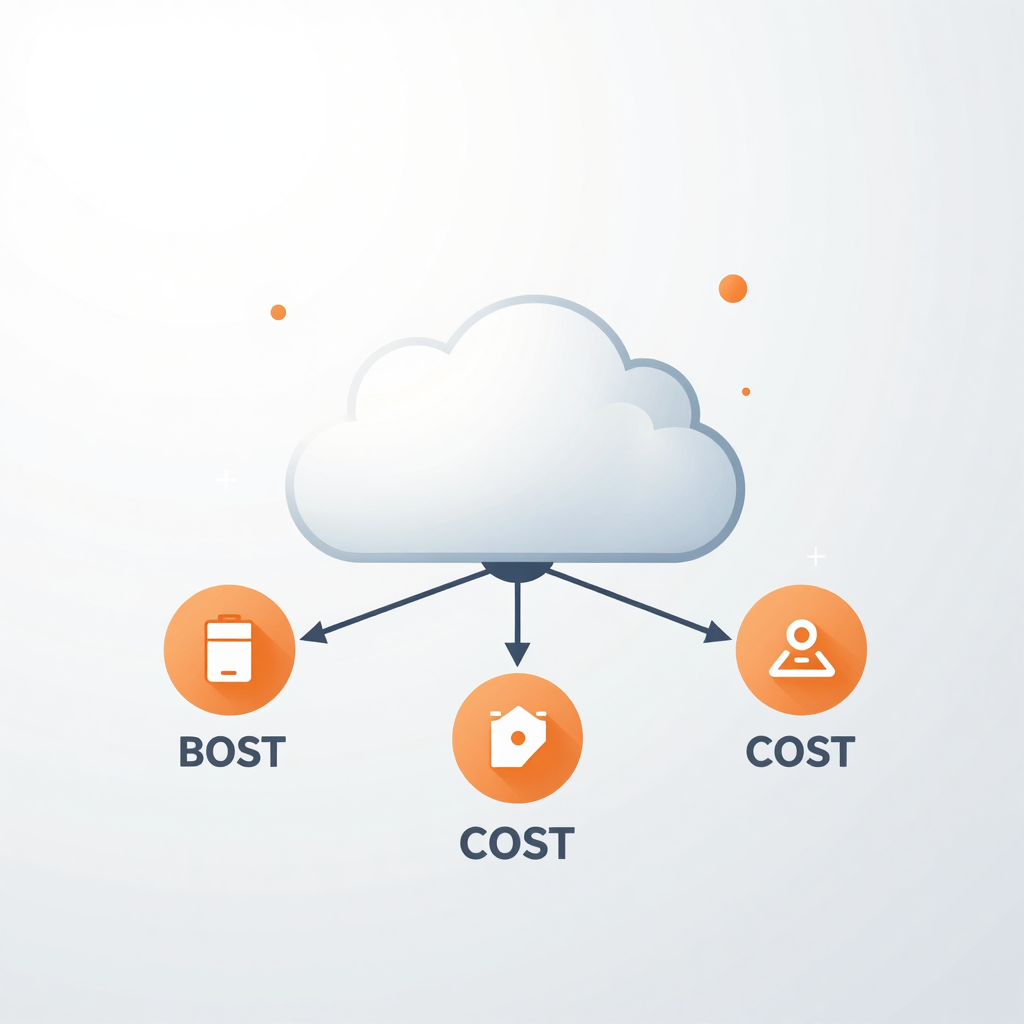
How Cloud Infrastructure Cuts IT Costs for Growing Businesses
How Cloud Infrastructure Reduces IT Costs for Growing Companies: A Comprehensive Guide

Estimated reading time: 10 minutes
Key Takeaways
- Cloud infrastructure significantly lowers capital and operational expenditures for growing companies.
- Dynamic scalability offered by cloud platforms ensures alignment of IT costs with business needs.
- Enhanced operational efficiency leads to reduced downtimes and faster development cycles.
- Cloud providers alleviate the burden of maintenance, allowing teams to focus on strategic initiatives.
- Modern cloud solutions support remote work and collaboration without significant infrastructure investments.
Table of Contents
Introduction

Is your growing company struggling with soaring IT costs and complex infrastructure management? Transitioning to cloud infrastructure can be a game-changer. Understanding how cloud infrastructure reduces IT costs for growing companies helps businesses not only save money but also scale efficiently and remain competitive in today’s fast-paced economy. As more businesses move to cloud, it’s essential to have a solid cloud migration guide and explore available cloud solutions tailored for scalable growth.
Globally, cloud adoption continues to surge, with enterprises moving workloads to cloud platforms like AWS, Azure, and Google Cloud to harness cost-efficiency and operational flexibility. In India and beyond, the cloud market is booming as startups and medium-sized companies leverage cloud for agility and reduced IT burden. This article dives deep into practical insights about the cost-saving benefits of cloud infrastructure, key drivers for cloud adoption, a step-by-step migration guide, and top cloud solutions for growing businesses.
How Cloud Infrastructure Reduces IT Costs for Growing Companies
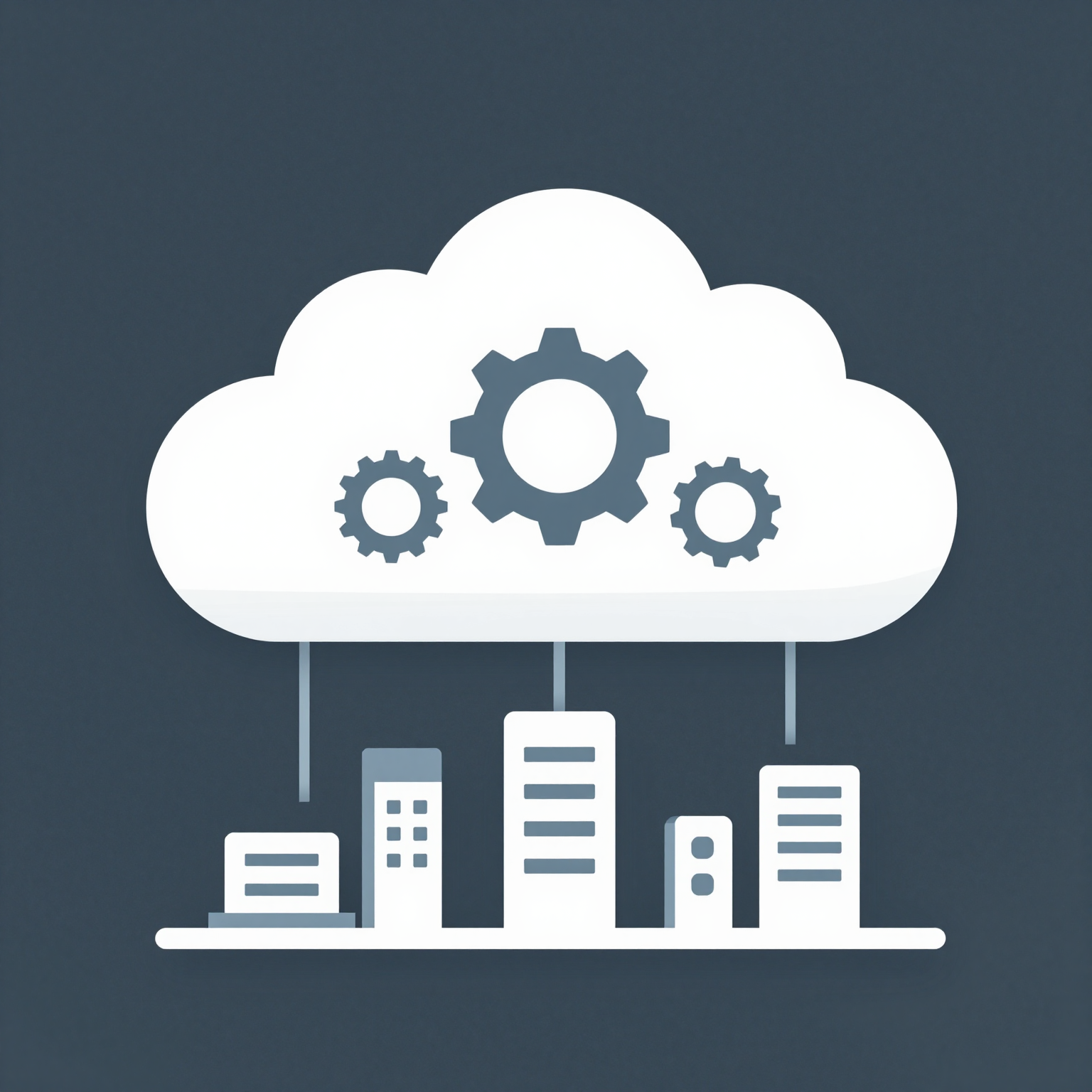
One of the most compelling reasons to switch to cloud infrastructure is the significant reduction in IT expenses. Here’s how cloud infrastructure drives cost savings without compromising performance or security:
1. Reduced Capital Expenditure (CapEx)
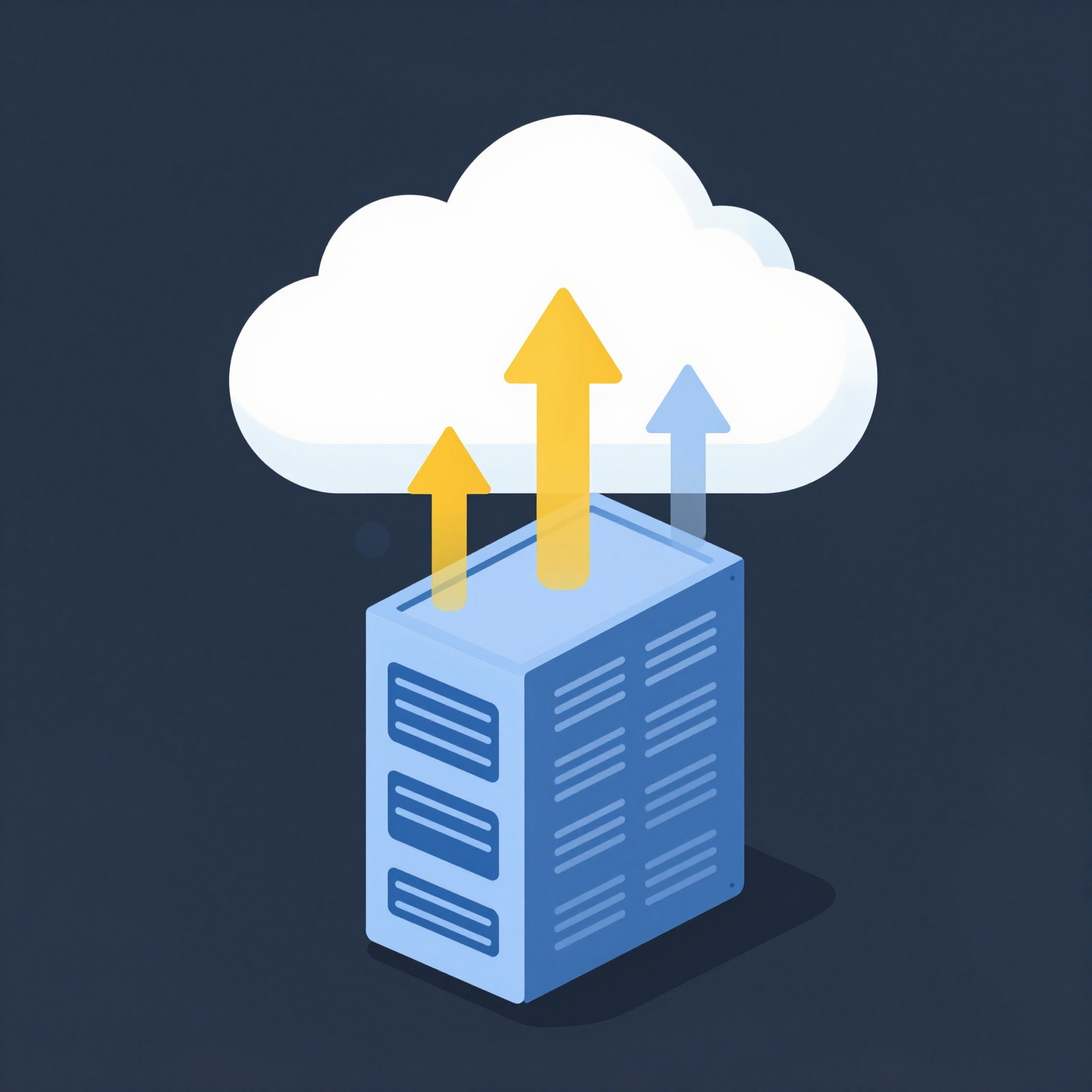
Traditional IT requires heavy upfront investment in physical hardware like servers and networking equipment. Cloud infrastructure shifts this paradigm by offering pay-as-you-go models that transform capital expenditures into operational expenses. This means your company only pays for resources you use, making cash flow management easier and freeing up capital for other initiatives.
2. Scalability and Flexibility
Growing companies experience fluctuating IT demands. Cloud platforms allow you to scale resources up or down dynamically without purchasing excess capacity or risking under-provisioning. This flexibility ensures your IT costs align closely with actual business needs.
3. Lower Maintenance Costs
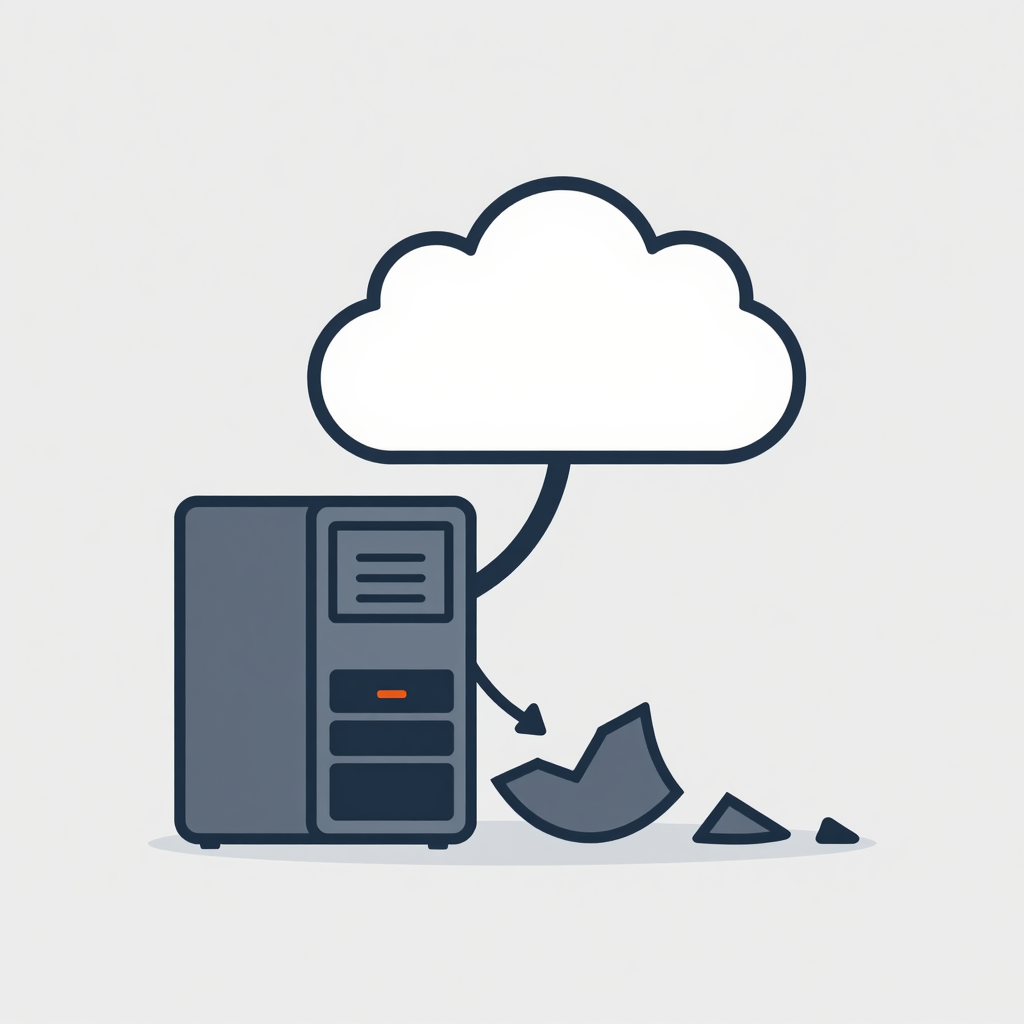
Cloud providers handle regular hardware maintenance, software updates, and critical security patches. This greatly reduces the need for expensive, dedicated in-house IT staff focused on infrastructure upkeep, allowing your teams to concentrate on strategic projects.
4. Increased Operational Efficiency
Cloud automation tools streamline deployment, monitoring, and management of services. Faster provisioning reduces downtime and accelerates development cycles, which indirectly reduces costly delays and boosts business agility.
5. Reduced Energy and Facility Costs
Maintaining physical servers demands energy for power and cooling, plus costs for data center space and security. Cloud data centers benefit from economies of scale, reducing these expenses substantially for your business.
6. Disaster Recovery and Backup Savings
Cloud providers offer built-in disaster recovery and backup capabilities. You no longer need to invest in redundant infrastructure or complex backup solutions, minimizing downtime and data loss in cost-effective ways.
7. Enhanced Collaboration and Remote Work
Cloud infrastructure enables seamless access from any location, supporting remote teams with minimal additional infrastructure investment like VPNs or remote desktops. This flexibility increases productivity without added IT expenses.
Businesses Moving to Cloud: Common Drivers
Why are so many companies migrating to cloud infrastructure? Here are some primary motivations behind this ongoing trend:
- Cost Savings: Significantly lower upfront and operational IT spending.
- Agility: Accelerated application deployment and innovation cycles.
- Global Reach: Use of global data centers enhances performance and reliability.
- Security: Access to advanced, constantly updated security features.
- Focus: Freed internal resources concentrate on core business functions rather than infrastructure management.
Cloud Migration Guide: Key Steps to Success
Migrating to cloud can seem daunting, but a structured approach simplifies the process considerably. Here’s a 7-step guide to ensure a smooth and cost-effective transition:
- Assessment & Planning: Examine your existing infrastructure and applications. Identify workloads ideal for cloud migration and align the move with business goals and budget constraints.
- Choosing the Right Cloud Model: Determine which model fits your needs: public, private, or hybrid cloud. Evaluate providers like AWS, Microsoft Azure, or Google Cloud based on services, pricing, and compliance.
- Selecting Migration Strategy: Decide how to move workloads: Rehost (lift-and-shift), Refactor (code changes for cloud), Replatform (partial modifications), or Replace or retire outdated systems.
- Data Migration: Plan data transfer carefully to minimize downtime. Post-migration, validate data integrity to avoid loss or corruption.
- Application Migration and Testing: Migrate applications in phases and conduct thorough testing to ensure continuous operation.
- Optimization: Continuously monitor cloud usage and costs. Implement rightsizing to match resources with actual requirements, avoiding waste.
- Training & Change Management: Train IT and end users on new cloud systems. Manage organizational changes to maximize adoption and efficiency.
Cloud Solutions for Growing Companies
Growing businesses can leverage a variety of cloud services tailored to different needs:
- Infrastructure as a Service (IaaS): On-demand virtual servers, storage, and networking.
- Platform as a Service (PaaS): Development environments and tools to build, deploy, and scale apps.
- Software as a Service (SaaS): Ready-to-use software applications, such as CRM or collaboration platforms.
- Container Services/Kubernetes: Efficient, scalable container orchestration for modern apps.
- Serverless Computing: Event-driven execution without the overhead of server management.
- Cloud Security Solutions: Advanced identity management, encryption, and firewall services.
- Data Analytics and AI/ML: Cloud-based tools for machine learning, business intelligence, and big data analysis.
Future Trends in Cloud Adoption and Cost Optimization
The future of cloud infrastructure promises even more cost efficiencies and capabilities:
- Multi-cloud and Hybrid Cloud Strategies: Optimizing workloads across multiple cloud environments to enhance performance and reduce costs.
- AI-driven Cloud Management: Automated cost monitoring, security, and performance tuning powered by artificial intelligence.
- Edge Computing Integration: Processing data closer to its source to reduce latency and bandwidth expenses.
- Green Cloud Initiatives: Cloud providers are increasingly investing in renewable energy to reduce the environmental impact and operational costs.
Conclusion
Switching to cloud infrastructure is a powerful strategy for reducing IT costs in growing companies. By minimizing capital expenses, boosting flexibility, cutting maintenance and energy costs, and leveraging advanced cloud solutions, businesses can scale faster while keeping expenses in check. Whether you are just starting to explore how cloud can benefit your operations or are ready to implement a migration plan, understanding these fundamentals is key to success.
Are you ready to transform your IT infrastructure and accelerate growth? Contact us today! We can help design a cloud strategy tailored to your company’s unique needs and guide your migration journey from start to finish.
FAQ
Q1: How much can companies typically save by moving to cloud infrastructure?
Savings vary based on company size and existing IT spend but often range from 20% to 50% by reducing hardware and maintenance costs.
Q2: What is the biggest challenge when migrating to cloud?
Planning and data migration with minimal downtime requires careful coordination and validation to prevent business disruption.
Q3: Are cloud solutions secure for sensitive data?
Yes, leading cloud providers invest heavily in security, offering encryption, identity management, and compliance certifications.
Q4: Can small businesses benefit from cloud infrastructure?
Absolutely. Cloud scalability and pay-as-you-go pricing models make it accessible and cost-effective for companies of all sizes.
Q5: What’s the difference between public and private cloud?
Public cloud is shared infrastructure managed by providers, ideal for cost savings and scalability, while private cloud offers dedicated environments for greater control and security.
Recent Blog

Build a Multi-Vendor Marketplace for Startup Success
Build Your Own Multi-Vendor Marketplace Like Amazon: A Startup’s Guide…

How AI Chatbots Improve Customer Support and Sales
How AI Chatbots Improve Customer Support & Sales: Unlocking the…
10 Signs Your SME Needs Custom Software Now
10 Signs Your Business Needs a Custom Software Solution Estimated…