:
:  :
:  CUBICLES CODERS PVT LTD
AI-First Websites in 2026: Build Smarter, Engaging Business Sites
AI-first Websites: Future of Business Websites in 2026 – How to Build AI-Optimized Websites
Estimated reading time: 8 minutes
Key Takeaways
- AI-first websites are crucial for personalization and engagement.
- Integrating AI technologies can enhance user experience and conversions.
- AI-driven tools offer substantial improvements in SEO and performance.
- Security and compliance are significantly enhanced with AI.
- Future trends include hyper-personalization and AI-generated content.
Table of Contents
Introduction
As we forge ahead towards 2026, AI-first websites are becoming the future of business websites—transforming how brands interact with their audiences globally. In today’s hyper-competitive online landscape, traditional static websites no longer cut it. Businesses demand dynamic, intelligent platforms that not only showcase products or services but also personalize, engage, and convert visitors in real-time. This is where AI-powered websites take center stage: integrating artificial intelligence into the core infrastructure to make websites smarter, faster, and more intuitive.
Whether you are a startup, an established company, or an enterprise in India or anywhere worldwide, adapting to this AI revolution is critical. This article will explore why AI-first websites are a game changer for 2026, how you can build your own AI-optimized site, and most importantly, how our expert services can help you make this transition seamlessly.
With AI technologies continuously evolving—from machine learning to natural language processing—the possibilities for website intelligence are endless. Let’s dive into exactly what makes these AI-first websites crucial for your business success, and the practical steps to build them.
The Rise of AI-First Websites: A Global Trend Shaping 2026
By 2026, the market for AI-driven technology is projected to surpass $500 billion globally [^1]. Websites infused with AI capabilities are not just a tech novelty—they’re becoming necessary tools to enhance user experiences and business efficiency. For example:
- According to Gartner, by 2025, 75% of all business websites will embed AI-powered features like chatbots and personalized content delivery, improving user engagement by over 30% [^2].
- In India, AI adoption in digital platforms is growing at 20% annually as businesses recognize AI’s role in boosting e-commerce conversions and customer satisfaction [^3].
The problem? Many businesses struggle to understand how to effectively implement AI into their websites or fail to leverage it fully. This knowledge gap creates missed opportunities for lead generation and sales.
How to Build AI-Optimized Websites
Building an AI-first website means integrating AI at every key touchpoint—from user experience to backend optimization. Here are proven strategies to get started.
1. Leverage AI-Powered Personalization
AI algorithms analyze massive streams of user data, including behavior, demographics, and preferences—then use this data to provide a tailored experience.
- Dynamic homepages change layout or featured products based on returning visitor data.
- Personalized content keeps visitors engaged and encourages longer session times.
- Example: E-commerce stores like Amazon use AI-driven recommendations to increase sales by up to 35%.
2. Integrate Conversational AI and Chatbots
A smart AI chatbot goes beyond scripted answers by understanding natural language and learning over time.
- 24/7 instant support improves customer satisfaction and reduces operational costs.
- Lead capture capabilities turn conversations into actionable sales inquiries.
- Industries from healthcare to tech utilize chatbots for enhanced customer interaction.
3. Optimize Content with AI-Driven SEO Tools
AI-powered SEO platforms analyze competitors, trending keywords, and search intent in real-time.
- Automated meta-tag generation and content suggestions save time.
- Predictive analytics guide content strategy, anticipating audience interests.
- Businesses achieve higher rankings with continuously optimized content.
4. Incorporate AI Visual and Voice Search
Voice assistants and visual search are revolutionizing how users find information.
- Voice search supports hands-free, natural queries, boosting accessibility.
- Visual search allows users to upload images and find matching products or solutions.
- These features are particularly useful in retail, real estate, and travel industries.
5. Use AI for Performance Optimization
AI monitors website metrics, predicts potential slowdowns, and optimizes loading speeds automatically.
- Automated image compression and content delivery network (CDN) management improve responsiveness.
- AI-powered A/B testing provides data-driven UX enhancements.
- Enhanced mobile responsiveness caters to growing smartphone audiences.
6. Ensure AI-Driven Security and Privacy
Security is paramount, and AI strengthens defenses like never before.
- Real-time threat detection flags cyberattacks and suspicious login activities.
- Adaptive authentication methods—biometric or risk-based—guard sensitive data.
- AI compliance tools help align with global privacy laws (GDPR, CCPA).
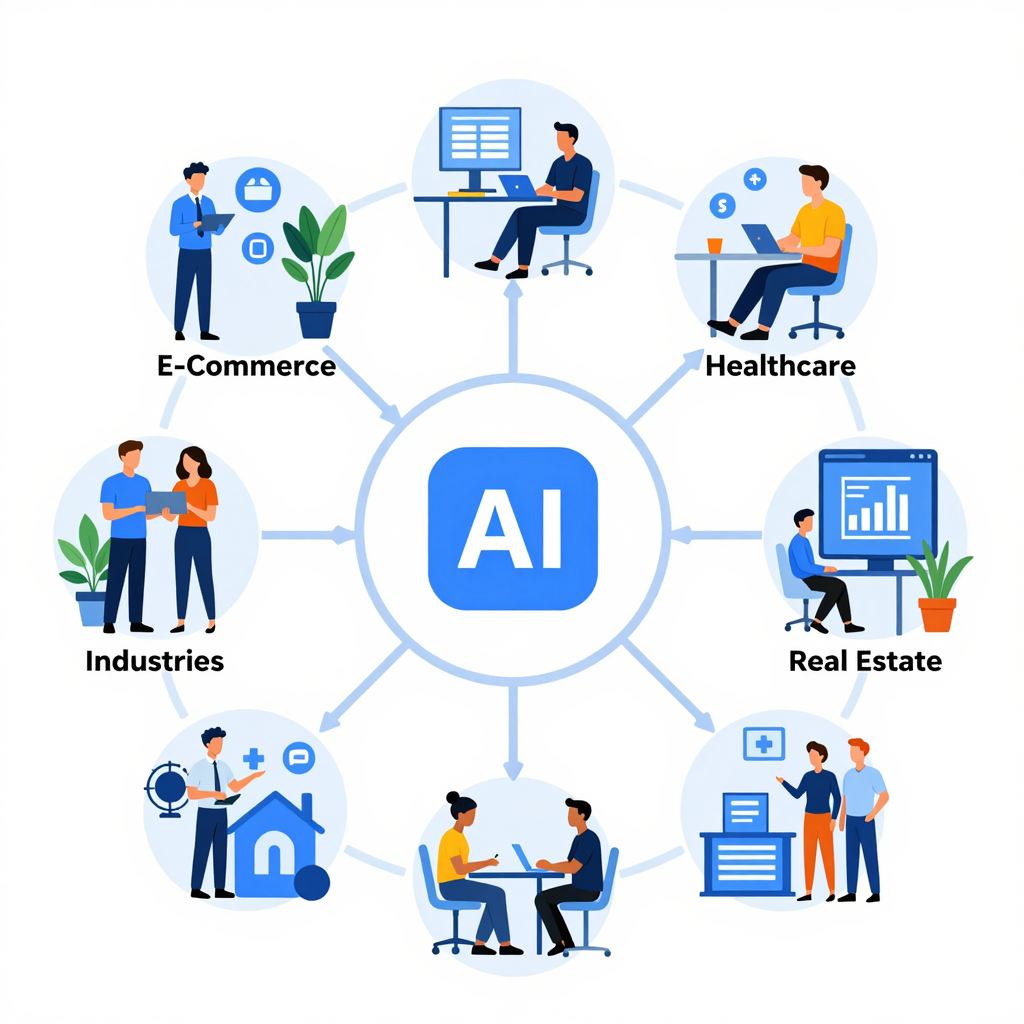
Real-World Examples of AI-First Websites Across Industries
1. E-Commerce: Etsy
Etsy uses AI personalization to suggest unique items based on browsing history and search behavior. Their AI chatbots provide instant customer help and order updates, significantly enhancing buyer loyalty.
2. Healthcare: Babylon Health
Babylon’s website integrates AI chat capabilities that assess symptoms and guide users to appropriate care options. This reduces pressure on human support and provides accessible health advice around the clock.
3. Finance: Bank of America
Their AI assistant, Erica, embedded on their website, helps users with transactions, budgeting tips, and fraud alerts using conversational AI and predictive analytics.
4. Real Estate: Zillow
Zillow’s visual search and AI Zestimate features allow users to upload images or receive personalized property valuations instantly, streamlining the home buying process.
5. Travel: Booking.com
Booking.com uses AI to personalize travel recommendations, optimize search results, and provide multilingual chatbot support—all driving higher booking conversions.
Benefits of Adopting AI-Optimized Websites
- Enhanced User Engagement: Personalized content ensures visitors feel understood and valued.
- Improved Conversion Rates: AI-driven recommendations and chatbots reduce bounce rates and encourage purchases.
- Operational Efficiency: Automation cuts down on manual tasks and support costs.
- Data-Driven Insights: AI analytics empower smarter business decisions.
- Competitive Edge: Early AI adoption positions your brand as an innovator in your industry.
- Scalability: Intelligent systems adapt as your traffic and data grow without compromising performance.
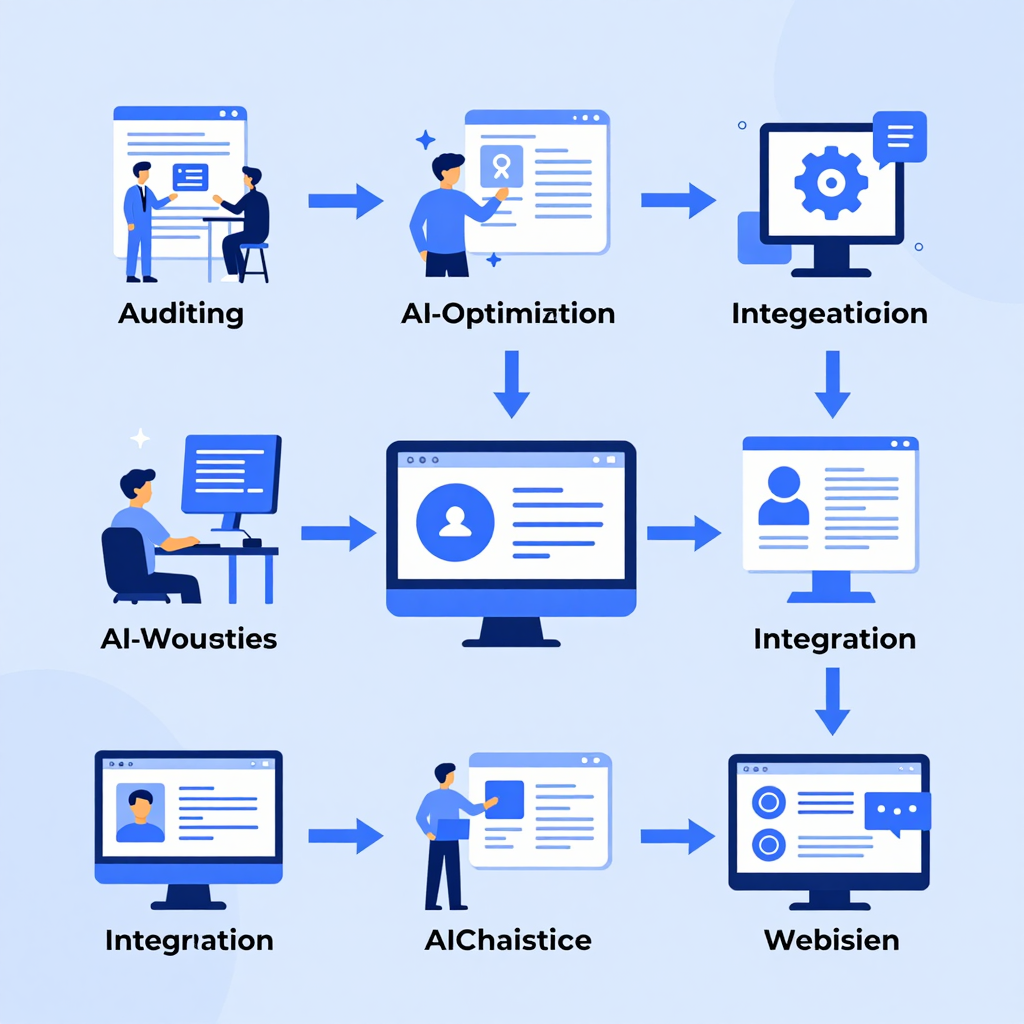
Step-by-Step Guide to Building Your AI-First Website
- Conduct an AI Readiness Audit: Evaluate your current website infrastructure and business goals to identify AI integration points.
- Choose the Right AI Technologies: Pick AI tools matching your industry needs—chatbots, personalization engines, voice/visual search options.
- Integrate AI into User Experience: Develop dynamic content modules, chatbot workflows, and AI-powered search features.
- Implement AI SEO Solutions: Use AI software for keyword research, content optimization, and competitor analysis.
- Optimize Performance with AI Monitoring: Deploy AI tools to track site speed, user engagement, and system health.
- Strengthen Security: Add AI layers for fraud detection and adaptive authentication.
- Test, Analyze, and Refine: Use AI analytics and A/B testing to continuously enhance the website based on user data.
- Train Your Team: Educate marketing, sales, and support teams on leveraging AI insights to maximize outcomes.
Future Trends in AI-First Websites to Watch
- Hyper-Personalization: AI will evolve to create even more nuanced user profiles, delivering content customized to micro-moments.
- Emotion Recognition: Websites could adapt interfaces based on detecting users’ emotional states through camera or voice inputs.
- AI-Generated Content: Fully automated website content generation using generative AI will reduce manual input further.
- Decentralized AI: Blockchain integration will improve data privacy and trust in AI-driven interactions.
- Voice Commerce Expansion: Voice search will merge with payment functionalities, enabling shopping through smart speakers.
- Sustainability Analytics: AI will analyze website energy consumption and recommend greener practices.
Conclusion
The era of AI-first websites is upon us, and adopting AI-optimized solutions in 2026 is no longer optional but essential for businesses that want to thrive. From enhanced personalization and conversational AI to robust security and future-forward trends, AI empowers your website to become a dynamic growth engine.
Are you ready to transform your online presence with an intelligent, AI-powered website? Contact us today for a free consultation and let our expert team design a tailored AI-first website that drives conversions, boosts engagement, and future-proofs your business.
Get Started Now | Call us at [Your Phone Number] for immediate help.
FAQ
Q1: What does AI-first website mean?
An AI-first website integrates artificial intelligence into the core of its architecture to deliver personalized user experiences, automate tasks, and optimize performance in real-time.
Q2: Can AI-first websites improve SEO rankings?
Yes, AI-driven SEO tools analyze keyword trends, competitor strategies, and user behavior, enabling more targeted content strategies and better rankings.
Q3: Are AI chatbots difficult to implement?
Modern AI chatbots use natural language processing and are often easy to integrate with popular CMS platforms like WordPress through plugins or APIs.
Q4: How secure are AI-powered websites?
AI actually enhances security by offering real-time threat detection and adaptive authentication, making websites more resilient to cyber attacks.
Q5: How do I know if my business is ready for an AI-first website?
If you aim to improve user engagement, automate support, and leverage data for growth, you’re ready. Start with a readiness audit to assess your current tech stack and goals.
*Sources:*
[^1]: Market Research Future on AI
[^2]: Gartner Report on AI Adoption
[^3]: NASSCOM AI Adoption in India
—
Recent Blog
Why AI Automation is Essential for Business Growth in 2026
Why Every Business Needs AI Automation in 2026: Unlocking Growth…

Digital Transformation in 2026: Key Strategies for Success
The Complete Guide to Digital Transformation in 2026: Why It…
Building Future-Ready Applications with Emerging Technologies
Building Future-Ready Applications with Emerging Technologies: A Roadmap for Innovation…