:
:  :
:  CUBICLES CODERS PVT LTD
Agentic AI vs Traditional Automation: Key Changes in 2026
Agentic AI vs Traditional Automation: What’s Changing in 2026?
Estimated reading time: 8 minutes
Key Takeaways
- Agentic AI represents a shift from rule-based automation to intelligent, autonomous decision-making.
- Traditional automation lacks adaptability and real-time learning capabilities.
- In 2026, agentic AI is expected to become mainstream in software development and business operations.
- The integration of agentic AI will enhance efficiency, innovation speed, and operational agility.
- Organizations must address ethical, security, and skills challenges related to agentic AI adoption.
Table of Contents

Introduction

Automation has long been a cornerstone of efficiency in business operations and software development. From early scripted workflows to the more advanced Robotic Process Automation (RPA), traditional automation has helped companies streamline repetitive tasks and reduce manual errors. However, Agentic AI vs Traditional Automation: What’s Changing in 2026? is a question gaining prominence as we enter a transformative era.
The rise of agentic AI marks a shift beyond rule-based automation. These intelligent agents are capable of autonomous decision-making, learning, and proactive problem-solving, dramatically expanding what automation can achieve. In 2026, the integration of agentic AI into software development and business operations is becoming mainstream, driving major changes in speed, scalability, and strategy.
This article explores the evolving landscape of automation, contrasting agentic AI with traditional automation, and highlighting its profound impact on industries worldwide. Whether a software developer, business leader, or AI enthusiast, understanding these changes is key to staying competitive in the modern digital economy.
Understanding Traditional Automation
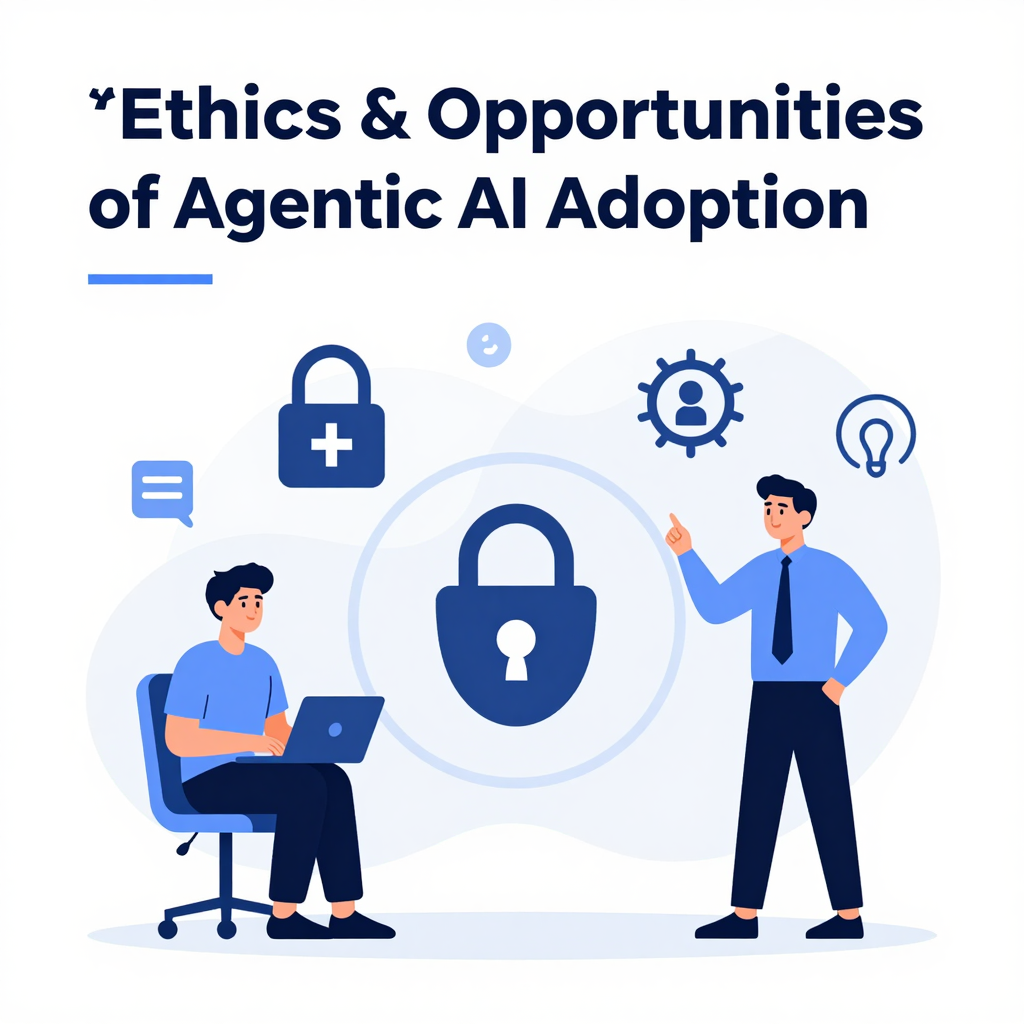
Traditional automation refers to systems designed to execute pre-defined, rule-based tasks without real-time learning or decision-making capabilities. Common examples include:
- Scripted workflows such as automated data entry processes.
- Robotic Process Automation (RPA) that mimics human actions on software interfaces.
- Rule-based systems that trigger actions based on specific conditions.
These tools improve efficiency by handling repetitive tasks and reducing human error. However, they come with clear limitations:
- Lack of adaptability: Traditional automation cannot respond dynamically when faced with unforeseen scenarios.
- Limited decision-making: They operate strictly within predefined rules and cannot learn from experience.
- Human oversight required: Complex workflows often need manual intervention to manage exceptions or unexpected results.
While invaluable for optimizing routine operations, traditional automation remains constrained in the scope and complexity of tasks it can handle autonomously.
What is Agentic AI?
Agentic AI represents a significant leap forward. Unlike passive automation, agentic AI consists of autonomous software agents able to:
- Make decisions independently based on real-time data.
- Learn and adapt through reinforcement learning techniques.
- Engage in self-directed problem solving within set goals.
Key technologies powering agentic AI include:
- Foundation models pre-trained on massive datasets, enabling contextual understanding.
- Reinforcement learning that allows agents to improve through trial and error.
- Context-aware reasoning that helps agents navigate complex, dynamic environments.
In essence, agentic AI transforms automation from rule-followers into active participants in business processes and software development. These agents possess the ability to initiate actions, adjust strategies, and optimize performance without constant human input.
Key Changes and Innovations in 2026
The year 2026 marks a pivotal moment for agentic AI, fueled by technological breakthroughs and widespread corporate adoption.
Mainstream Adoption: Agentic AI tools are becoming integral to the software development lifecycle, automating tasks from code generation to testing and deployment. Development teams leverage AI agents to handle complex integration and debugging, reducing cycle times dramatically.
Business Operations: AI agents now manage end-to-end workflows across supply chains, finance, marketing, and customer service. Their ability to plan strategically and execute tasks autonomously results in more agile and responsive organizations.
Enhanced Interoperability: Unlike siloed automation tools of the past, agentic AI systems exhibit cross-domain awareness, enabling seamless coordination across multiple platforms, databases, and departments.
Reduced Manual Intervention: These agents require minimal human supervision, enhancing scalability and accelerating operational speed. Decision loops shrink from hours or days to real-time adjustments.
Together, these innovations are not just incremental improvements but transformative shifts redefining how organizations operate.
Impact on Software Development
Agentic AI enhances software development in ways unimaginable with traditional automation:
- Autonomous Task Handling: AI agents can now undertake complex coding, testing, and deployment tasks with minimal human guidance.
- Accelerated Agile Cycles: Integration of AI-driven test suites and deployment pipelines shortens release cycles, enabling rapid innovation.
- Error Reduction: Continuous learning helps identify and rectify bugs earlier, improving software quality.
- Enhanced Collaboration: Developer teams benefit from AI advisors suggesting improvements or automating routine tasks, letting human experts focus on creative problem-solving.
This paradigm shift means that software development is becoming not just faster but more intelligent and adaptive, helping organizations respond effectively to changing market demands.
Impact on Business Operations
The influence of agentic AI extends far beyond IT teams—reshaping entire business operations:
- Virtual Executives: AI agents act like strategic managers managing workflows in HR, finance, logistics, and customer relations. They make decisions, allocate resources, and optimize performance proactively.
- Real-Time Insights: Organizations gain instant visibility into operational metrics, enabling faster and more informed decision-making.
- Workforce Transformation: Human roles are shifting from task execution to oversight, governance, and managing exceptions. This shift requires new skills focused on AI-human collaboration and strategic supervision.
By delegating routine and complex processes to AI agents, businesses improve efficiency, agility, and scalability, unlocking new growth opportunities.
Challenges and Considerations
Despite its promise, agentic AI brings challenges that require deliberate management:
- Ethical and Governance Issues: AI decisions must be transparent and explainable to ensure accountability. Organizations need frameworks to prevent bias and unintended consequences.
- Security Risks: Autonomous agents must be secured against manipulation or cyberattacks that could disrupt critical operations.
- Skills Gap: There is a growing need for professionals skilled in AI management, governance, and cross-functional collaboration to oversee agentic systems effectively.
Addressing these challenges proactively will be essential for sustainable, responsible adoption of agentic AI technologies.
Conclusion
Agentic AI marks a fundamental shift from traditional automation’s rule-following mechanisms to intelligent agents that think, learn, and act autonomously. In 2026, we are witnessing this transition unfold across software development and business operations, driving unparalleled improvements in efficiency, innovation speed, and strategic agility.
Organizations that embrace this evolution with thoughtful governance and skilled oversight stand to gain significant competitive advantages. As agentic AI becomes mainstream, staying informed and prepared is critical to unlocking its full potential.
Are you ready to lead your digital transformation with agentic AI?
FAQ
Q1: What is the main difference between agentic AI and traditional automation?
A1: Traditional automation follows pre-set rules without learning ability, while agentic AI can make decisions, learn from experience, and act autonomously.
Q2: How is agentic AI improving software development?
A2: Agentic AI accelerates development cycles, reduces errors, and automates complex testing and deployment tasks with minimal human input.
Q3: What industries benefit most from agentic AI in 2026?
A3: Software, finance, supply chain, healthcare, and customer service sectors are leading adopters of agentic AI for operational efficiency and innovation.
Q4: What are the risks of adopting agentic AI?
A4: Risks include ethical concerns, security challenges, and the need to address skills gaps for managing autonomous systems.
Recent Blog
Future of AI Startups Driving the Ongoing Boom
The Future of AI Startups: Why the AI Startup Boom…
AI CRM Automation Boosts Efficiency for SaaS Solutions
AI CRM Systems: Unlocking the Power of CRM Automation Increasing…
Boost Business Efficiency with AI Productivity Tools
AI Productivity Tools: Transforming Business Efficiency with Cutting-Edge Software Estimated…