:
:  :
:  CUBICLES CODERS PVT LTD
Remote Team Tools Driving Hybrid Work Success
Remote Team Tools: Essential for the Growing Hybrid Work Landscape

Estimated reading time: 8 minutes
Key Takeaways

- Hybrid work models are becoming mainstream in organizations worldwide.
- Investing in remote team tools is crucial for maintaining productivity.
- Effective communication is essential to overcoming the complexities of hybrid work.
- Selecting the right collaboration tools enhances employee engagement and workflow.
- Regular reviews of collaboration platforms ensure they meet evolving needs.
Table of Contents

Introduction
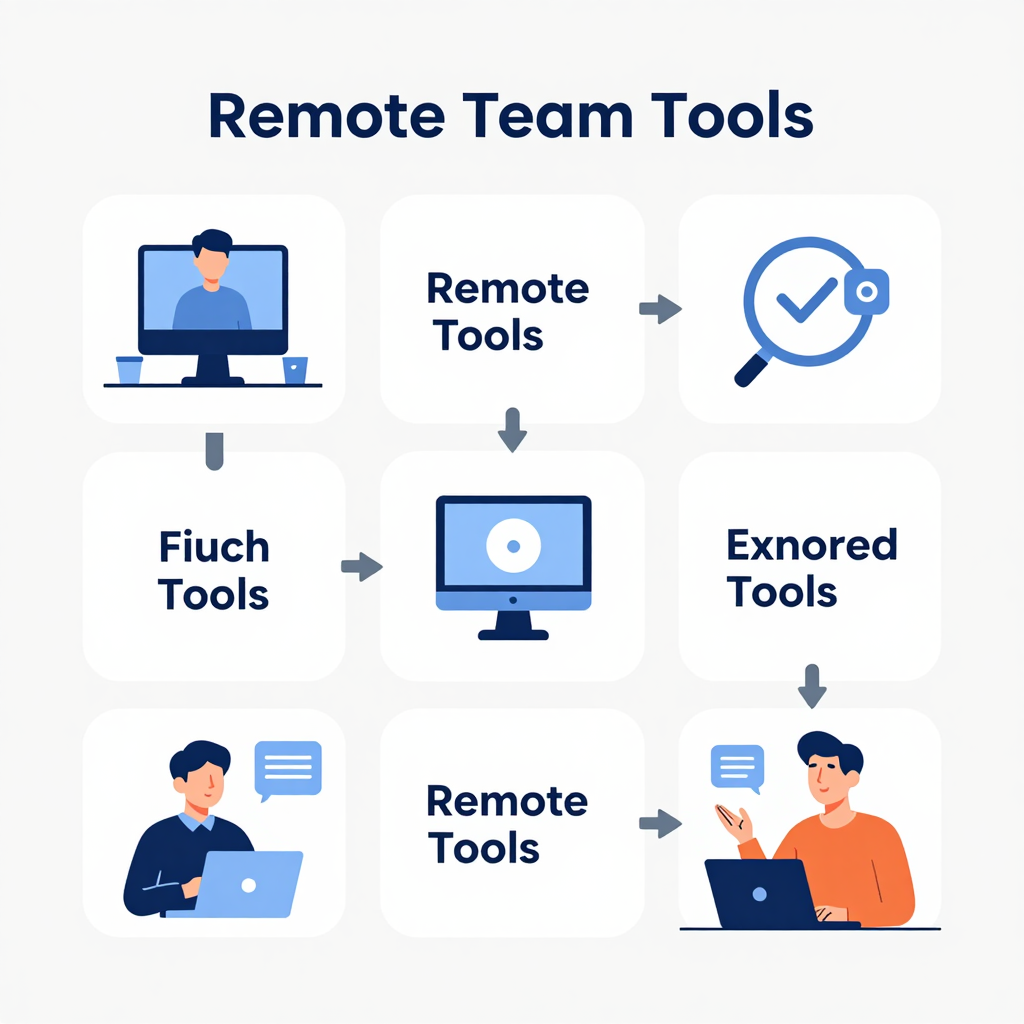
Hybrid work is no longer just a buzzword—it’s becoming the new norm for organizations worldwide. With more companies blending remote and on-site work, remote team tools have emerged as critical drivers of productivity and collaboration. This shift is especially relevant in countries like India, where digital transformation and flexible work arrangements steadily gain traction alongside global trends.
But why has hybrid work growing become such a pivotal change? The answer lies in the need for flexibility, employee satisfaction, and evolving business dynamics. Effective collaboration is central to making hybrid setups work, and reviewing collaboration tools regularly ensures businesses stay ahead of workflow challenges.
This article dives deep into the latest trends surrounding hybrid work, offers a review of key collaboration tools tailored for remote teams, and highlights actionable strategies useful for business audiences seeking to bridge the physical and digital workspace efficiently.
The Rise of Hybrid Work: A New Era for Remote Team Tools

The hybrid work model combines the best of both worlds—remote flexibility and in-person collaboration. According to a recent Gartner report, 74% of CFOs plan to shift some employees to remote work permanently post-pandemic. This statistic underscores the irreversible momentum powering hybrid work growth.
Yet, remote and hybrid setups introduce unique complexities:
- Coordination across time zones
- Maintaining team cohesion with dispersed members
- Accessing and managing shared resources in real-time
To address these challenges, investing in robust remote team tools becomes indispensable. Businesses that lag in adopting or reviewing effective collaboration platforms risk facing productivity bottlenecks and employee disengagement.
Key Challenges with Hybrid Work Collaboration
| Challenge | Impact | Solution via Tools |
|---|---|---|
| Communication delays | Slow decision-making, confusion | Instant messaging & video conferencing |
| Fragmented project management | Missed deadlines, duplicated effort | Centralized task tracking and document sharing |
| Lack of social interaction | Reduced team morale, isolation | Virtual social platforms & regular check-ins |
Reviewing Collaboration Tools: What Makes a Platform Business-Ready?
Not all collaboration tools are created equal. The ideal platform should support seamless interaction regardless of physical location, integrate easily with existing software, and cater to diverse workflow needs.
Essential Features to Look For:
- Real-Time Communication: Instant chat, video calls, and group discussions
- Project Management: Task assignment, progress tracking, and milestone notifications
- File Sharing & Version Control: Secure access to documents with change history
- Integration Capabilities: Compatibility with email, CRM, calendar, and other business apps
- User-Friendly Interface: Minimal learning curve for fast adoption
- Mobile Accessibility: Support for smartphones and tablets to enable work anywhere
Popular Platforms Reviewed
| Tool | Strengths | Ideal For |
|---|---|---|
| Slack | Superior messaging, wide integrations | Small to medium tech teams |
| Microsoft Teams | Embedded in Office 365, video calls | Enterprises with MS ecosystem |
| Asana | Task-focused, intuitive UI | Project-driven marketing, design |
| Zoom | High-quality video conferencing | Regular video-heavy meetings |
| Trello | Visual boards for tasks and workflows | Agile teams and startups |
These platforms continue to evolve, emphasizing customization and scalability to fit varying organizational sizes and sectors. Regularly reviewing your collaboration tools ensures they adapt to your company’s changing hybrid work needs.
Real-World Examples Highlighting Remote Team Tools Success
Across industries, businesses reap the benefits of optimized collaboration in hybrid environments:
- Tech Startups: A software company reported a 30% increase in sprint velocity after adopting Microsoft Teams combined with Jira for task management.
- Healthcare: A hospital system implemented Zoom and Slack to coordinate multidisciplinary teams across facilities, improving patient case turnaround by 20%.
- Marketing Firms: Creative agencies lean on Trello and Asana for campaign workflows, ensuring clarity and timely delivery despite team members being geographically scattered.
These case studies prove that selecting the right tools tailored for both remote and hybrid work dramatically boosts collaboration and operational outcomes.
Step-by-Step Guide to Implementing Remote Team Tools in Your Hybrid Workforce
Adopting collaboration tools successfully requires deliberate planning and execution. Here’s a stepwise approach to smooth integration:
- Assess Current Workflow Gaps: Gather feedback on pain points in communication and project management.
- Define Requirements: List must-have features aligned with business goals and team preferences.
- Evaluate Tools: Trial various platforms with pilot teams; evaluate usability, integrations, security.
- Train Employees: Provide onboarding sessions and resource materials to ease the transition.
- Set Policies: Establish clear guidelines for tool usage, availability, and data sharing.
- Monitor Usage: Track adoption metrics and productivity indicators; solicit continuous feedback.
- Iterate and Upgrade: Periodically review tools to add features or switch platforms as hybrid demands evolve.
Following this structured approach empowers organizations to realize the full potential of hybrid work powered by efficient remote team tools.
Benefits and Practical Tips for Leveraging Collaboration Tools
Utilizing the right technologies offers several meaningful advantages:
- Enhanced Productivity: Streamlined workflows and faster communication reduce downtime.
- Improved Employee Engagement: Tools that support flexible work styles boost morale.
- Increased Innovation: Collaborative platforms encourage cross-functional idea exchange.
- Better Transparency: Visibility into tasks and deadlines fosters accountability.
- Cost Efficiency: Reduced travel and office expenses save resources.
Tips for Maximizing Tool Impact:
- Encourage consistent use through leadership endorsement.
- Integrate tools within daily routines to avoid duplication.
- Promote informal virtual hangouts to maintain team culture.
- Regularly update teams on new features or best practices.
Future Trends in Remote Team Tools and Hybrid Work
Looking forward, hybrid work is set to become more sophisticated, powered by advancements such as:
- AI-Powered Collaboration: Intelligent meeting summaries, automated scheduling, and predictive task management.
- Virtual and Augmented Reality: Immersive collaboration spaces replicating physical presence.
- Greater Customization: Tailored platforms adapting to unique team dynamics and industries.
- Enhanced Security: Robust data protection in increasingly digital work ecosystems.
- Integrated Wellness Features: Tools promoting mental health alongside productivity.
Businesses that stay ahead by continually reviewing and adapting their remote team tools will thrive in this evolving landscape.
Conclusion
The rise of hybrid work demands that organizations equip themselves with the best remote team tools to foster seamless collaboration and productivity. Regularly reviewing these platforms ensures they remain aligned with dynamic business needs and employee expectations. By embracing the right technologies, companies can empower their distributed teams, drive innovation, and sustain long-term success in a competitive market.
Ready to optimize your hybrid workforce with cutting-edge collaboration solutions? Contact us today!
FAQ
What are the essential features of remote collaboration tools?
Real-time messaging, project management, file sharing, integration with other apps, and mobile access are critical.
How often should businesses review their collaboration platforms?
Ideally every 6-12 months or whenever significant workflow changes occur.
Do remote team tools help with employee engagement in hybrid models?
Yes, effective tools promote communication, inclusivity, and team culture even when working apart.
Can small businesses benefit from hybrid work tools?
Absolutely, tools like Slack and Trello are especially suited for agile, small teams.
What is the biggest challenge in hybrid work collaboration?
Maintaining clear communication and cohesive workflows across disparate locations.
Recent Blog

Build a Multi-Vendor Marketplace for Startup Success
Build Your Own Multi-Vendor Marketplace Like Amazon: A Startup’s Guide…

How AI Chatbots Improve Customer Support and Sales
How AI Chatbots Improve Customer Support & Sales: Unlocking the…

10 Signs Your SME Needs Custom Software Now
10 Signs Your Business Needs a Custom Software Solution Estimated…