:
:  :
:  CUBICLES CODERS PVT LTD
Performance Marketing vs Organic Growth in 2026
Performance Marketing vs Organic Growth (2026): Rising Ad Costs Forcing Businesses to Rethink ROI Comparison Strategy
Estimated reading time: 12 minutes
Key Takeaways
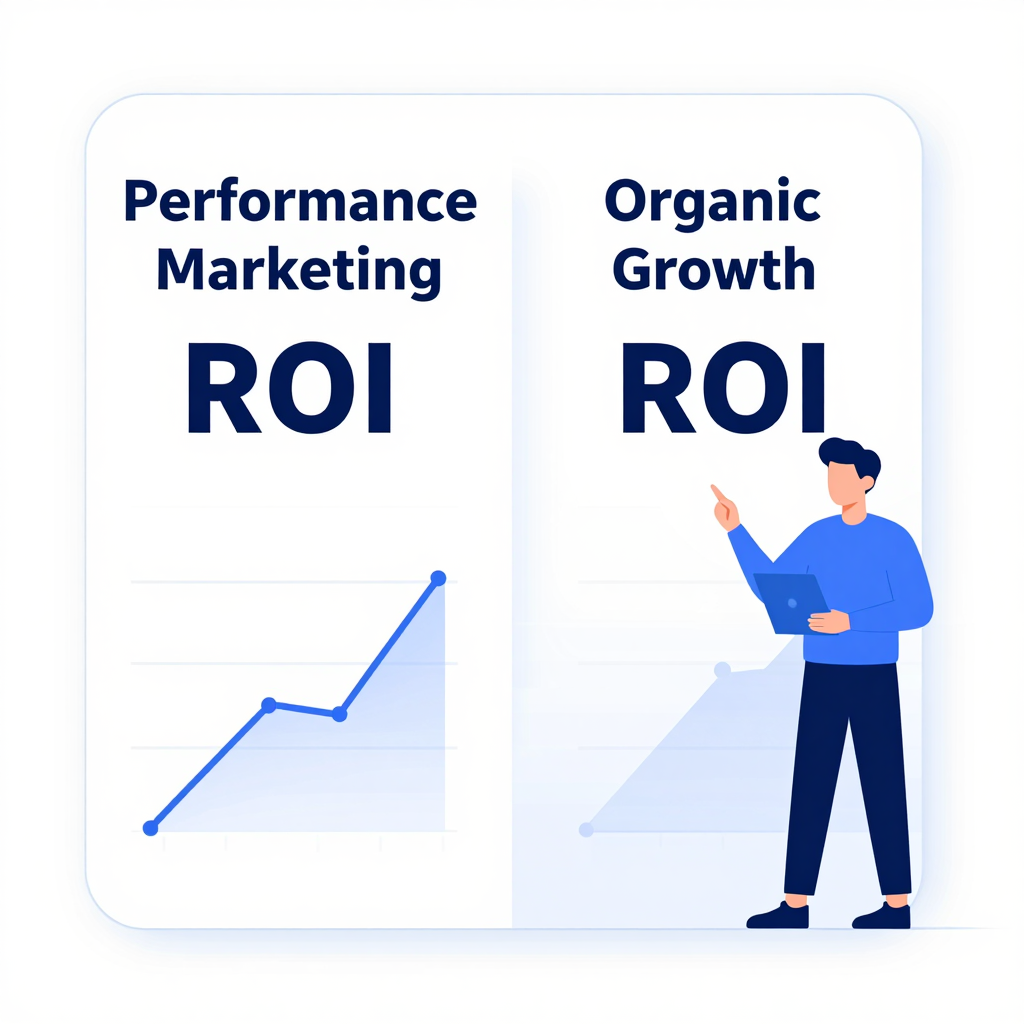
- Rising ad costs are prompting businesses to evaluate the effectiveness of performance marketing.
- Understanding the ROI dynamics of performance versus organic growth is crucial for strategic planning.
- A hybrid growth approach can provide resilience and adaptability in changing market conditions.
- Investing in organic growth strategies builds long-term brand equity and customer loyalty.
- Dynamic budget allocations between paid and organic channels can optimize marketing ROI.
Table of Contents
Introduction
In 2026, the digital marketing landscape is at a crossroads. Business leaders worldwide are asking: Should we continue to pour budgets into performance marketing, or is organic growth the sustainable future? With rising ad costs forcing businesses to rethink their strategies, understanding the delicate balance between paid and organic channels has never been more important. This article dives deep into Performance Marketing vs Organic Growth (2026), providing insights on ROI comparison strategies and positioning CC as your ideal hybrid growth partner.
Around the globe—and particularly in rapidly digitizing markets like India—the surge in digital ad competition has sparked a rethink of growth tactics. Performance marketing, known for its measurable and rapid results, is becoming more expensive and less guaranteed. Meanwhile, organic growth strategies focusing on SEO, content, and community engagement promise long-term brand equity but require patience and consistent effort.
In this guide, we’ll explore why rising advertising costs are shaking the status quo, compare ROI dynamics between performance marketing and organic growth, and reveal how a hybrid approach promoted by CC can unlock resilient growth in turbulent times.
Rising Ad Costs Forcing Businesses to Rethink Strategy
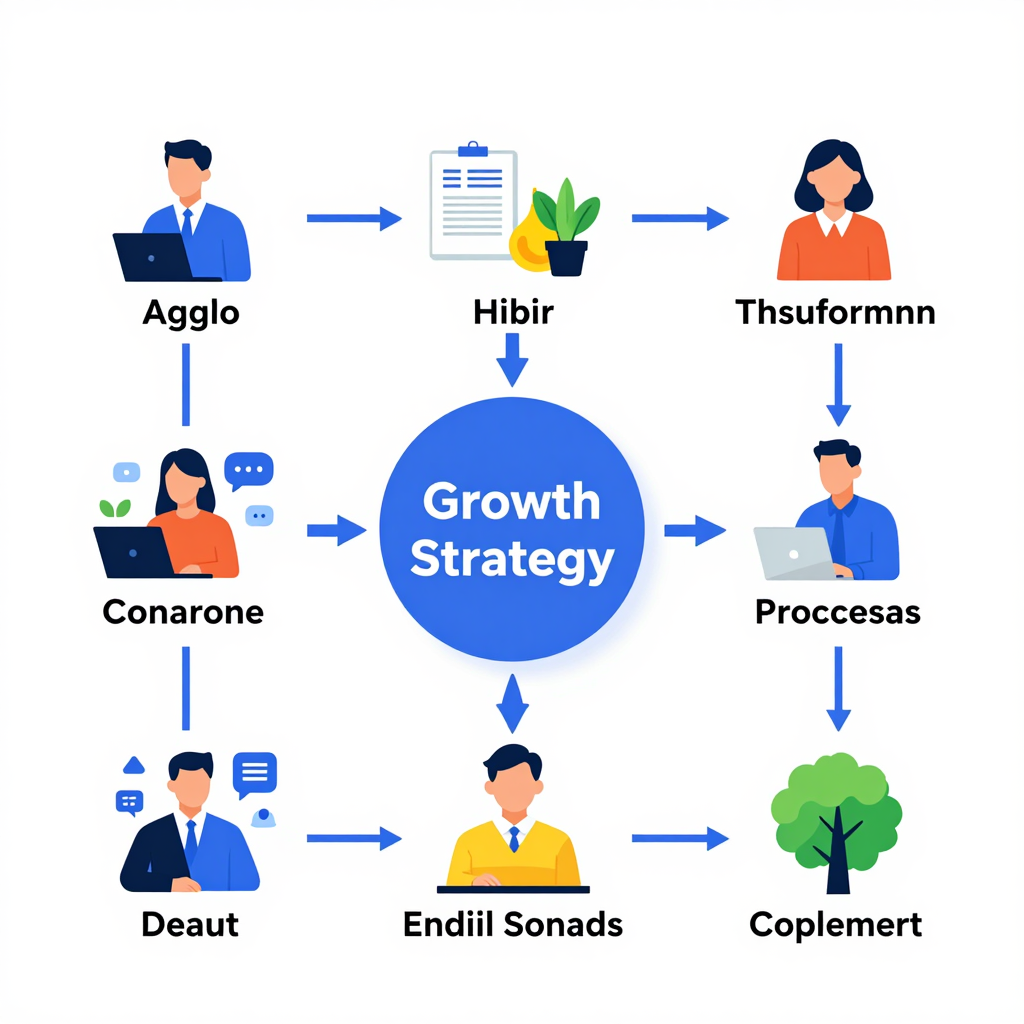
The era of cheap digital ads is over. According to recent industry data, average cost-per-click (CPC) and cost-per-acquisition (CPA) rates have increased by 15-25% year-over-year, driven by intense competition and platform changes like cookie restrictions and privacy regulations.
Several factors contribute to this trend:
- Increased competition as more businesses go digital.
- Privacy shifts limiting user tracking and targeting precision.
- Ad saturation causing viewer fatigue and decreased engagement.
The direct outcome? Businesses face diminishing returns on paid campaigns. What used to deliver predictable growth now demands bigger budgets for the same or even reduced conversions.
This evolving marketplace forces marketing decision-makers to rethink their pure performance marketing strategies and seek alternative or complementary growth channels.
ROI Comparison Strategy
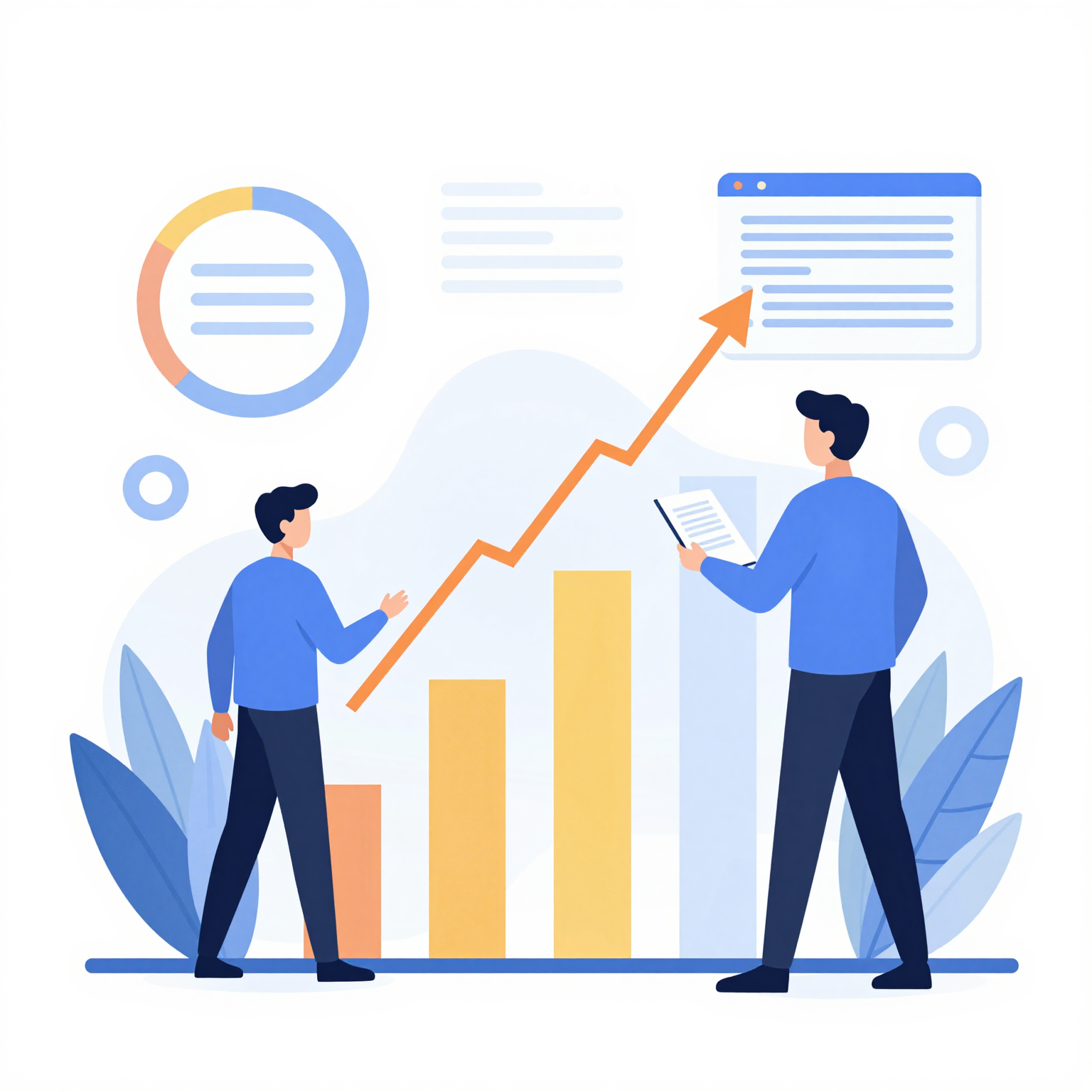
Understanding ROI differences between performance marketing and organic growth is critical in selecting the right growth mix.
Performance Marketing ROI:
- Quick, measurable results: Immediate data on ad impact.
- High scalability: Easy budget adjustments for rapid testing and expansion.
- Declining ROI: Rising costs lead to lower profit margins over time.
Organic Growth ROI:
- Slower maturation: Results build gradually through SEO, content, and engagement.
- Lower direct cost: No paid placements, but requires investment in quality content and brand building.
- Compounding benefits: Organic efforts build brand equity and loyalty that pay off long-term.
Strategic Recommendation:
Successful modern businesses focus on blended lifetime value (LTV) versus customer acquisition cost (CAC) across all channels. Key metrics such as acquisition quality, retention, and customer lifetime spend should complement immediate conversion rates. Decision-makers benefit by balancing fast wins with sustainable growth.
Positioning CC as a Hybrid Growth Partner
As businesses navigate the challenges of rising ad costs, CC stands out by integrating the best of both worlds with a hybrid growth approach.
The Hybrid Model Includes:
- Leverage performance marketing for rapid, targeted penetration and real-time testing.
- Build organic growth engines through strategic SEO, compelling content, and community building to lower future CAC.
- Dynamic budget optimizations adjusting spend between paid and organic based on analytics.
- Expert consulting across paid campaigns, content strategy, SEO audits, and social media engagement.
Value Proposition:
CC’s customized hybrid growth plans tailor strategies to your specific business maturity and market environment, ensuring flexibility and resilience. This holistic approach delivers:
- Balanced growth trajectory: Combines immediate impact and long-term value.
- Optimized ROI: Mitigates escalating ad costs without sacrificing market share.
- Sustained brand equity: Nurtures loyal audiences resistant to market fluctuations.
Real Examples: Hybrid Growth in Action
Example 1: E-commerce Brand
An apparel retailer leveraged performance marketing to rapidly test product-market fits but supplemented this with influencer partnerships and SEO content to build organic search traffic. Over 12 months, their blended CAC decreased by 30%, while returning customer rates surged.
Example 2: SaaS Company
A SaaS provider initially relied on paid ads targeting niche segments. CC’s hybrid recommendations integrated educational blog content and community forums, reducing reliance on costly ads by 40%, while increasing free trials and demo requests organically.
Example 3: Health & Wellness Startup
Combining targeted social ads with organic social media groups and SEO for wellness topics resulted in a 25% increase in brand authority and a 20% uplift in monthly active users.
These cases highlight how businesses from multiple industries flourish with blended growth, effectively responding to rising ad costs while maximizing ROI.
Step-by-Step Guide to Implementing a Hybrid Growth Strategy
- Audit current marketing performance: Evaluate paid and organic channel metrics, CAC, and LTV.
- Set clear growth goals: Define short-term and long-term targets based on business maturity.
- Allocate budgets dynamically: Prioritize performance marketing for fast testing, while investing in organic channels for sustained growth.
- Enhance content and SEO: Develop quality blogs, videos, and social media engagement to attract organic audiences.
- Deploy targeted paid campaigns: Use insights from organic performance to inform ad targeting.
- Monitor and optimize: Use analytics tools to track channel ROI, shifting spend according to performance trends.
- Engage communities: Foster loyal user groups to amplify word-of-mouth and brand reputation.
- Leverage CC’s expertise: Seek consulting support for tailored hybrid growth planning and execution.
Benefits & Tips for Successful Hybrid Growth
- Lower long-term CAC: Organic growth reduces dependence on expensive ads.
- Better audience quality: Organic channels often attract higher-quality and more engaged customers.
- Marketing agility: Hybrid approach allows rapid response to market shifts.
- Stronger brand equity: Consistent content builds trust and recognition.
- Data-driven decisions: Use blended metrics for smarter budget allocation.
Tips:
- Don’t neglect the power of storytelling in organic content.
- Regularly refresh paid ads to avoid saturation.
- Use hybrid analytics dashboards for unified performance views.
- Invest in training your marketing team on hybrid strategies.
Future Trends for Performance Marketing and Organic Growth
Looking ahead to 2026 and beyond, several trends will shape the dynamics between performance marketing and organic growth:
- AI and Automation: Smarter targeting and content creation tools will optimize hybrid campaigns.
- Privacy-first marketing: As regulations tighten, brands will rely more on organic data and first-party insights.
- Video and interactive content: Engagement-driven organic content is expected to dominate.
- Cross-channel attribution models: Improved analytics will better measure hybrid ROI.
- Sustainability branding: Consumers increasingly prefer brands with authentic values, favoring organic narratives.
Staying ahead requires adopting these trends while maintaining flexible, hybrid growth plans.
Conclusion
Balancing Performance Marketing vs Organic Growth (2026) has become critical amid rising ad costs and evolving digital landscapes. While performance marketing delivers quick wins, organic growth provides sustainable brand equity and cost efficiencies. Integrating these strategies through a hybrid model is the winning formula, and CC is uniquely positioned as your growth partner for this integration.
By combining data-driven ROI comparison strategies and customized hybrid plans, businesses can achieve a resilient, optimized growth trajectory.
Ready to rethink your growth strategy and maximize your marketing ROI? Contact us today to start your hybrid growth journey with CC—the partner who blends speed with sustainability.
FAQ
Can I rely solely on organic growth instead of paid advertising?
Organic growth is more sustainable long-term but usually slower. Most high-growth businesses find a hybrid strategy combining both is more effective.
How do rising ad costs impact ROI?
As ad costs rise, cost-per-click and acquisition increase, reducing ROI on paid campaigns. Shifting some focus to organic channels can help stabilize acquisition costs.
What makes CC a good hybrid growth partner?
CC offers tailored growth plans integrating performance and organic strategies, backed by continuous optimization and cross-channel expertise.
How long does organic growth take to show results?
Results typically start appearing within 3-6 months but compound over a year or more as brand equity builds.
Should I measure ROI differently for paid vs organic channels?
Yes, consider both immediate conversions and long-term customer value, retention, and engagement metrics for a comprehensive understanding.
Recent Blog

Build a Multi-Vendor Marketplace for Startup Success
Build Your Own Multi-Vendor Marketplace Like Amazon: A Startup’s Guide…

How AI Chatbots Improve Customer Support and Sales
How AI Chatbots Improve Customer Support & Sales: Unlocking the…
10 Signs Your SME Needs Custom Software Now
10 Signs Your Business Needs a Custom Software Solution Estimated…