:
:  :
:  CUBICLES CODERS PVT LTD
The Rise of Multi-Agent AI in Business Applications
The Rise of Multi-Agent AI Systems in Business Applications: Unlocking New Potential with Emerging Technology
Estimated reading time: 8 minutes
Key Takeaways
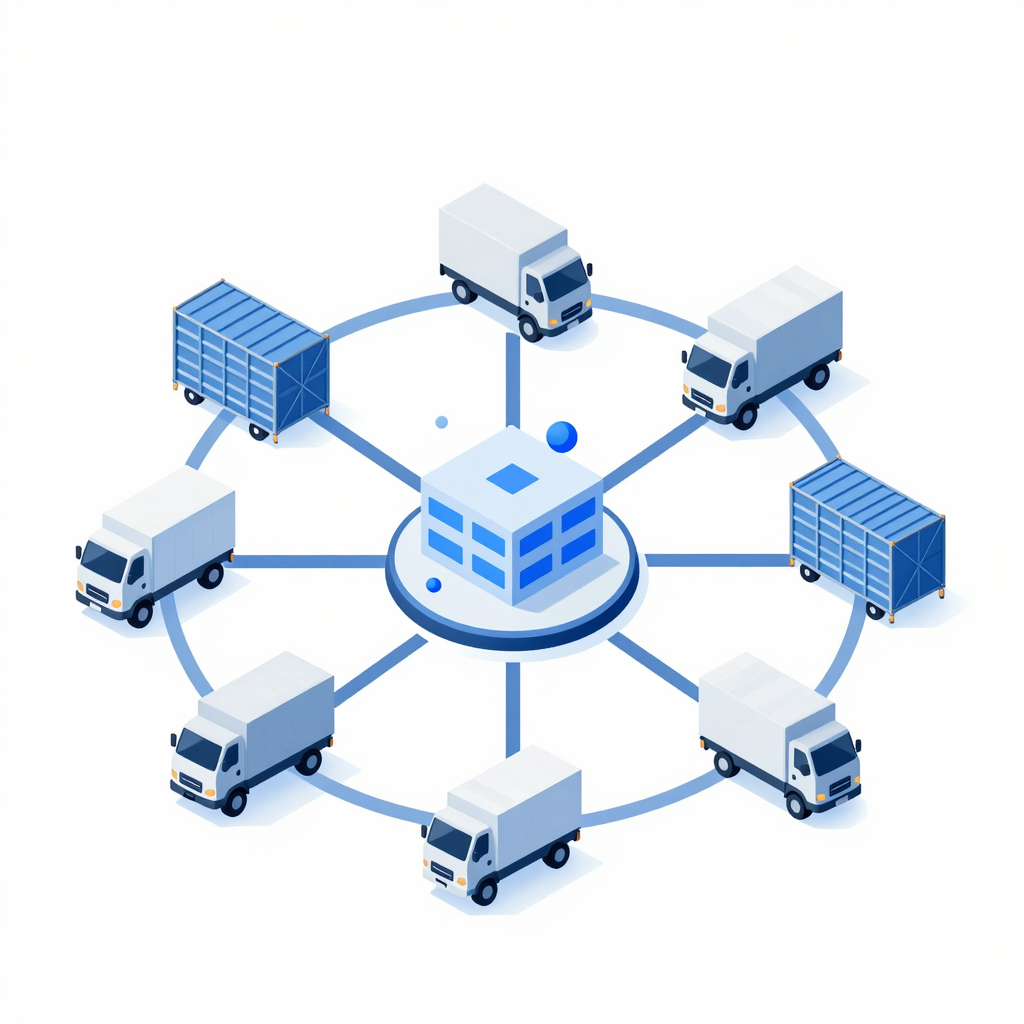
- Multi-agent AI systems enhance operational efficiency by enabling decentralized decision-making.
- These systems are projected to grow significantly in various industries, with a CAGR of over 15% by 2027.
- Real-world applications range from supply chain optimization to fraud detection in finance.
- Implementing multi-agent systems requires thoughtful architecture and collaboration among agents.
- Future trends include advancements in IoT integration and the advent of hybrid AI systems.
Table of Contents

- Introduction
- Understanding the Problem and Trend Behind Multi-Agent Systems
- How Multi-Agent AI Systems Work: Key Insights
- Real Examples of Multi-Agent AI Systems in Business
- Step-by-Step Guide to Implementing Multi-Agent AI Systems in Your Business
- Benefits and Practical Tips for Leveraging Multi-Agent AI
- Future Trends in Multi-Agent AI Systems
- Conclusion
- FAQ
Introduction
In today’s fast-evolving digital landscape, the rise of multi-agent AI systems in business applications is transforming how companies operate and compete globally. Multi-agent systems are emerging rapidly, revolutionizing industries by enabling multiple intelligent agents to interact, negotiate, and make decisions autonomously. This emerging technology is no longer a futuristic concept; it’s a present-day game-changer driving efficiency, adaptability, and innovation across sectors.
Whether it’s optimizing complex supply chains in India’s expanding manufacturing sector or enhancing customer engagement in global e-commerce giants, multi-agent AI systems handle dynamic, multi-variable environments seamlessly. Businesses are now keen on positioning themselves alongside AI innovation partners who understand and implement these technologies tailored to unique operational challenges. This article explores the trends, mechanisms, examples, and future outlook of multi-agent AI systems in business—proving why now is the perfect time to leverage this transformative technology.
Understanding the Problem and Trend Behind Multi-Agent Systems
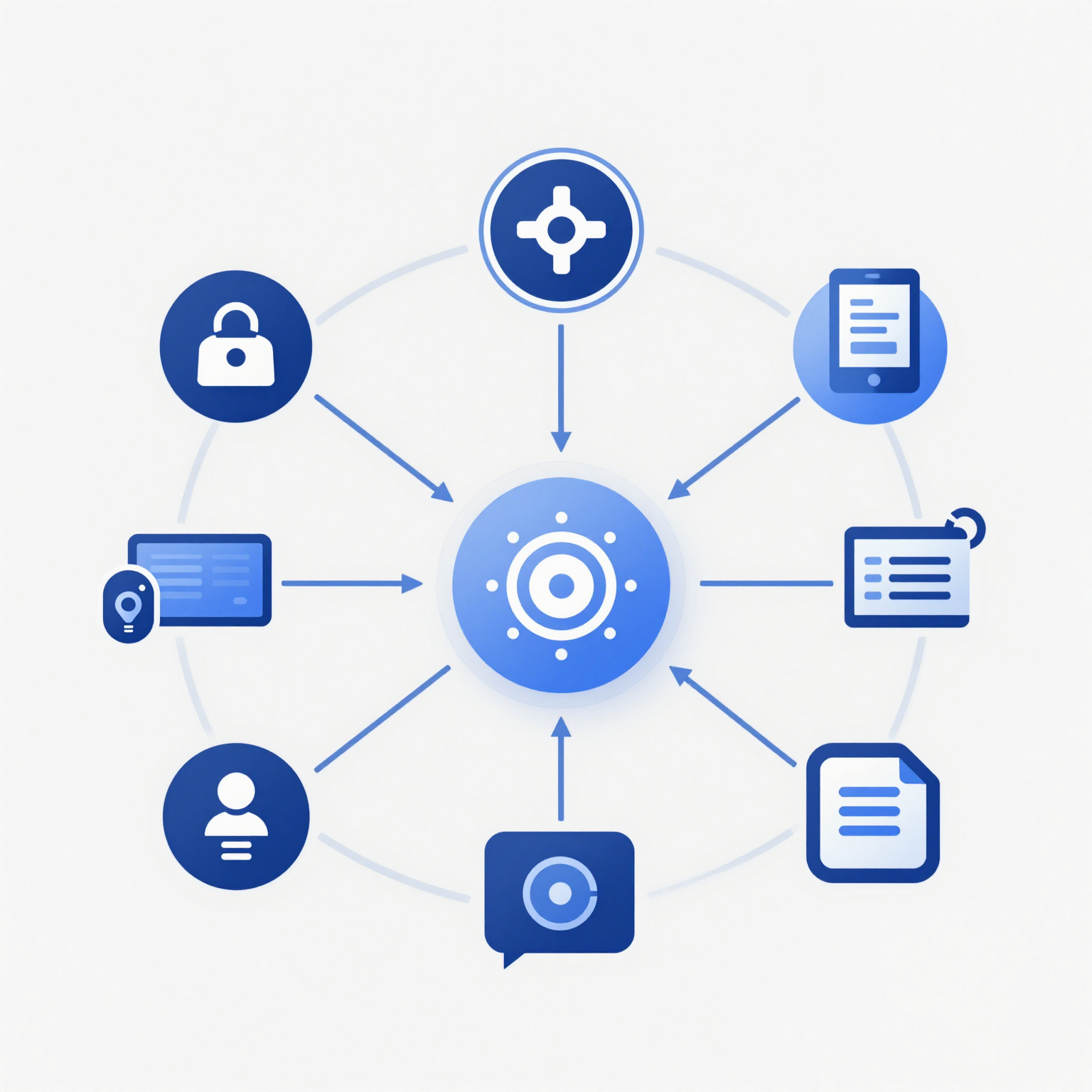
Businesses today face increasing complexity: unpredictable markets, diverse customer needs, and sprawling supply chains. Traditional centralized AI models often fall short in addressing these challenges because they can’t adapt or scale effectively in real-time across distributed operations.
Statistics highlight this shift vividly:
- According to MarketsandMarkets, the global multi-agent systems market is projected to grow at a CAGR of over 15% by 2027.
- A Forrester study found that 65% of enterprises plan to integrate AI-driven autonomous systems into their workflows within the next two years.
- In industries like logistics, multi-agent AI has decreased operational delays by up to 30%, particularly in dynamically changing routes and schedules.
Why are multi-agent systems emerging rapidly? Because their decentralized design allows multiple agents—each with specific expertise or function—to collaborate and adapt dynamically without centralized control. This leads to better problem solving, faster decision making, and increased resilience to change.
How Multi-Agent AI Systems Work: Key Insights
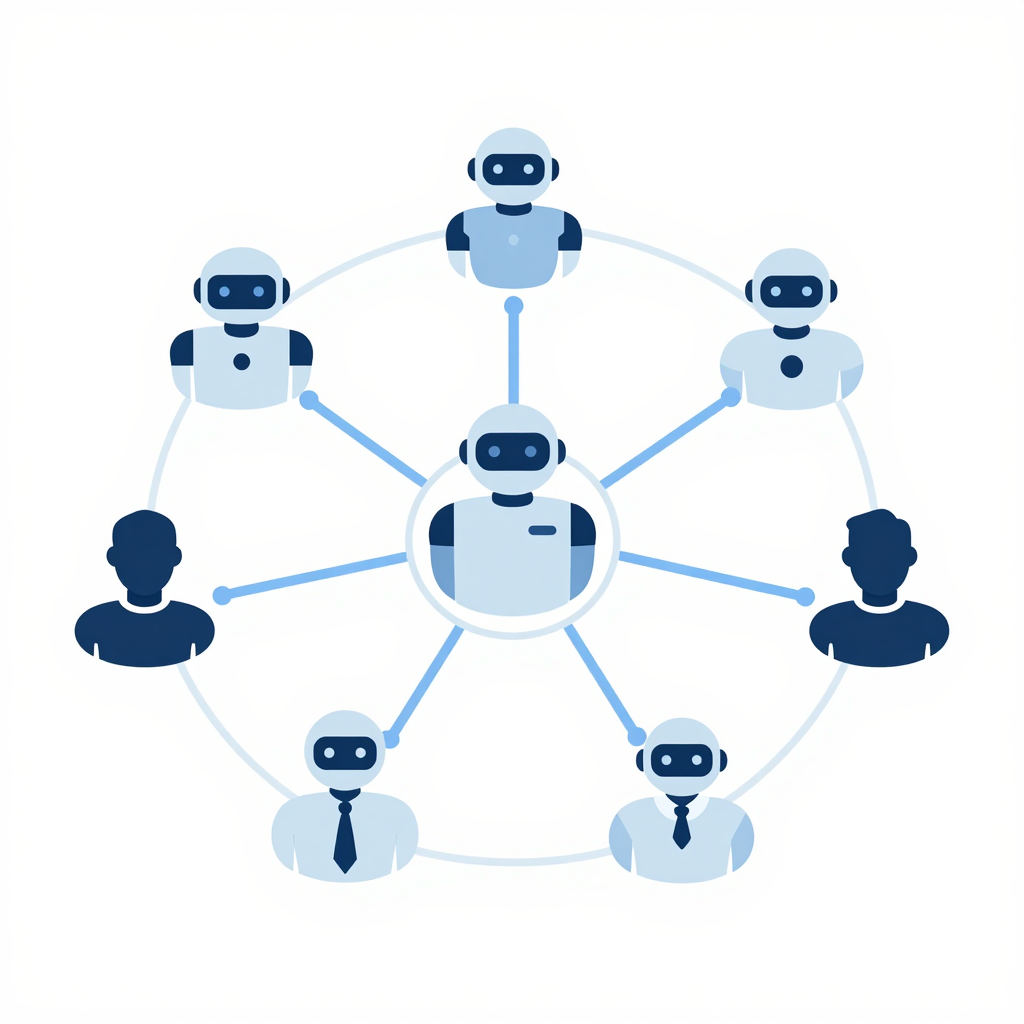
At its core, a multi-agent system (MAS) consists of several interacting intelligent agents that:
- Communicate and share information to achieve collective goals.
- Negotiate and cooperate or compete based on programmed strategies.
- Learn and adapt to new data and environmental changes.
- Distribute tasks efficiently to optimize performance.
Here’s a simplified overview of the mechanics:
| Component | Role | Benefit |
|---|---|---|
| Intelligent Agents | Autonomous decision-makers | Increased scalability |
| Communication Layer | Ensures seamless information exchange | Enhanced coordination |
| Environment Model | Represents the operational context | Real-time adaptation |
| Learning Algorithms | Improve strategies through experience | Continuous system improvement |
By combining these aspects, businesses harness MAS to manage everything from supply chains and customer service bots to energy grid optimization and fraud detection.
Real Examples of Multi-Agent AI Systems in Business
Multi-agent AI systems have found application across diverse sectors:
- Supply Chain Management: German car manufacturer BMW employs multi-agent AI to streamline parts delivery schedules by enabling various agents (suppliers, transporters, warehouses) to negotiate delivery slots autonomously. This reduces bottlenecks and lowers costs.
- Financial Services: JPMorgan Chase uses multi-agent frameworks to detect fraudulent transactions by deploying multiple agents monitoring different accounts and suspicious patterns, working collaboratively to flag anomalies in real-time.
- Healthcare: Multi-agent AI helps hospital networks like Apollo Hospitals in India manage patient flow, resource allocation, and emergency response by coordinating between departments, ambulances, and doctors.
- Retail: Walmart has implemented multi-agent AI for dynamic pricing and inventory management, where agents representing stores communicate price changes and stock levels to maximize profitability while responding to customer demand.
- Smart Energy: Multi-agent systems control and balance loads dynamically across smart grids, improving energy efficiency and minimizing outages by having agents adapting to consumption patterns.
Step-by-Step Guide to Implementing Multi-Agent AI Systems in Your Business
Thinking about integrating multi-agent AI? Here’s how you can proceed:
- Identify Business Problems needing flexible, distributed AI solutions.
- Design Agent Architecture where each agent has a defined role and scope.
- Develop Communication Protocols allowing agents to share data efficiently.
- Implement Learning and Adaptation Algorithms to enable autonomous improvement.
- Test in Controlled Environments to evaluate agent collaboration and performance.
- Integrate with Existing IT Systems ensuring seamless data flow and security.
- Monitor and Optimize Continuously using real-time data and feedback.
- Scale Gradually expanding agents’ roles as business needs evolve.
This structured approach ensures the adoption of multi-agent AI without disrupting existing operations while maximizing benefits.
Benefits and Practical Tips for Leveraging Multi-Agent AI
Benefits:
- Enhanced Decision-Making: Multiple agents collaborate to provide better, faster decisions.
- Scalability: Distributed intelligence allows seamless scaling to handle complex operations.
- Resilience: Decentralization reduces single points of failure.
- Flexibility: Adaptive agents respond to changing environments autonomously.
- Cost Efficiency: Optimizes resource allocation and reduces operational delays.
Tips:
- Start small with pilot projects focusing on critical pain points.
- Invest in cross-functional teams including AI experts and domain specialists.
- Emphasize secure agent communication protocols to safeguard data.
- Keep human oversight integrated for ethical and strategic governance.
- Use cloud platforms to provide the infrastructure backbone for scalable MAS.
Future Trends in Multi-Agent AI Systems
Looking ahead, several trends will shape MAS adoption:
- Integration with IoT: Agents controlling and optimizing IoT devices for smart cities and industries.
- Explainable AI in MAS: Improving transparency so each agent’s decisions are understandable.
- Hybrid Systems: Combining MAS with other AI models like deep learning for more powerful cognitive systems.
- Autonomous Business Units: Entire departments operating semi-autonomously via interconnected agent networks.
- AI Innovation Partnerships: Businesses collaboratively developing MAS solutions with specialized AI partners to maintain a competitive edge.
Businesses that embrace these trends early position themselves for long-term leadership in their markets.
Conclusion
The rise of multi-agent AI systems in business applications signals a new era of intelligent, adaptive, and decentralized operations. This emerging technology is no longer about if, but when and how organizations integrate it to meet the demands of a competitive, fast-paced global landscape. By partnering with the right AI innovation frontrunners, companies can unlock unprecedented efficiencies and innovation potentials.
Are you ready to harness the power of multi-agent AI? Contact us today! Together, we can tailor innovative AI solutions that future-proof your business.
FAQ
What industries benefit most from multi-agent AI systems?
A: Industries with complex, distributed operations such as manufacturing, finance, healthcare, retail, and energy benefit extensively.
How does multi-agent AI improve scalability?
A: Multiple agents work autonomously but collaboratively, distributing workloads and allowing systems to grow without bottlenecks.
Is human oversight necessary in multi-agent systems?
A: Yes, combining human governance with autonomous agents ensures ethical, strategic, and accurate decision-making.
What are common challenges in deploying MAS?
A: Challenges include designing effective communication protocols, integrating systems securely, and ensuring agent interoperability.
How soon can businesses expect ROI from multi-agent AI?
A: ROI varies but pilot projects often show measurable improvements within months, with greater gains as systems scale.
Recent Blog

Build a Multi-Vendor Marketplace for Startup Success
Build Your Own Multi-Vendor Marketplace Like Amazon: A Startup’s Guide…
How AI Chatbots Improve Customer Support and Sales
How AI Chatbots Improve Customer Support & Sales: Unlocking the…

10 Signs Your SME Needs Custom Software Now
10 Signs Your Business Needs a Custom Software Solution Estimated…