:
:  :
:  CUBICLES CODERS PVT LTD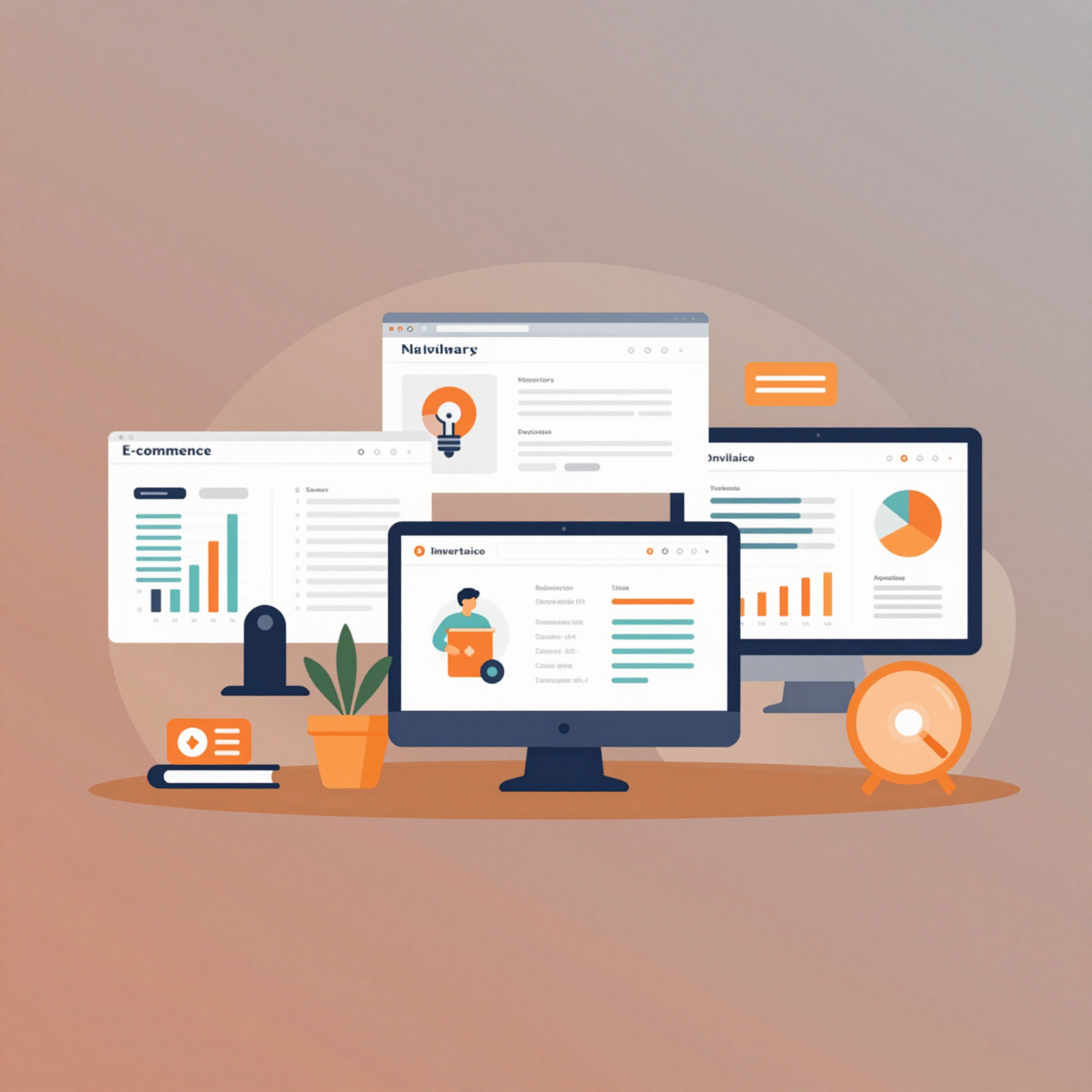
Top Digital Tools Shop Owners Need in 2026
Top Digital Tools Every Shop Owner Should Use in 2026: Empower Your Retail Business Now
Estimated reading time: 7 minutes
Key Takeaways
- The retail landscape is rapidly evolving with the digital transformation.
- Shop owners must adopt essential tools for efficient online operations.
- Integration of various digital platforms is crucial for a seamless customer experience.
- Real-world examples highlight the practical benefits of digital tools in retail.
- Future trends point to increased reliance on AI, AR, and sustainability tracking.
Table of Contents

- Introduction
- Why Offline Retailers Are Moving Online Rapidly: The Current Trend
- The Essential Digital Tools: What They Are and How They Work
- Real-World Examples of Digital Tool Success in Retail
- Step-by-Step Guide to Implementing These Top Tools in Your Shop
- Benefits and Tips for Shop Owners Using Digital Tools
- Future Trends: What’s Next for Retail Technology?
- Conclusion
- FAQ
Introduction
As offline retailers are moving online rapidly, the retail landscape is undergoing a profound transformation. Shop owners who once relied solely on brick-and-mortar stores now have a wealth of digital tools at their fingertips to extend their reach, improve efficiency, and boost profits. But with so many options available, how do you choose the right tools for your business? This guide covers the top digital tools every shop owner should use in 2026, focusing on simplicity and practicality for retailers making the leap into digital transformation.
Whether you operate a small boutique in India, a global brand with multiple locations, or a niche specialty store, understanding these essential tools will help you meet customers where they are—online—and provide seamless, exceptional shopping experiences.
In this article, we’ll explore seven key categories of digital tools, each with examples and use cases:
- E-commerce platforms
- Inventory management software
- Point of Sale (POS) systems
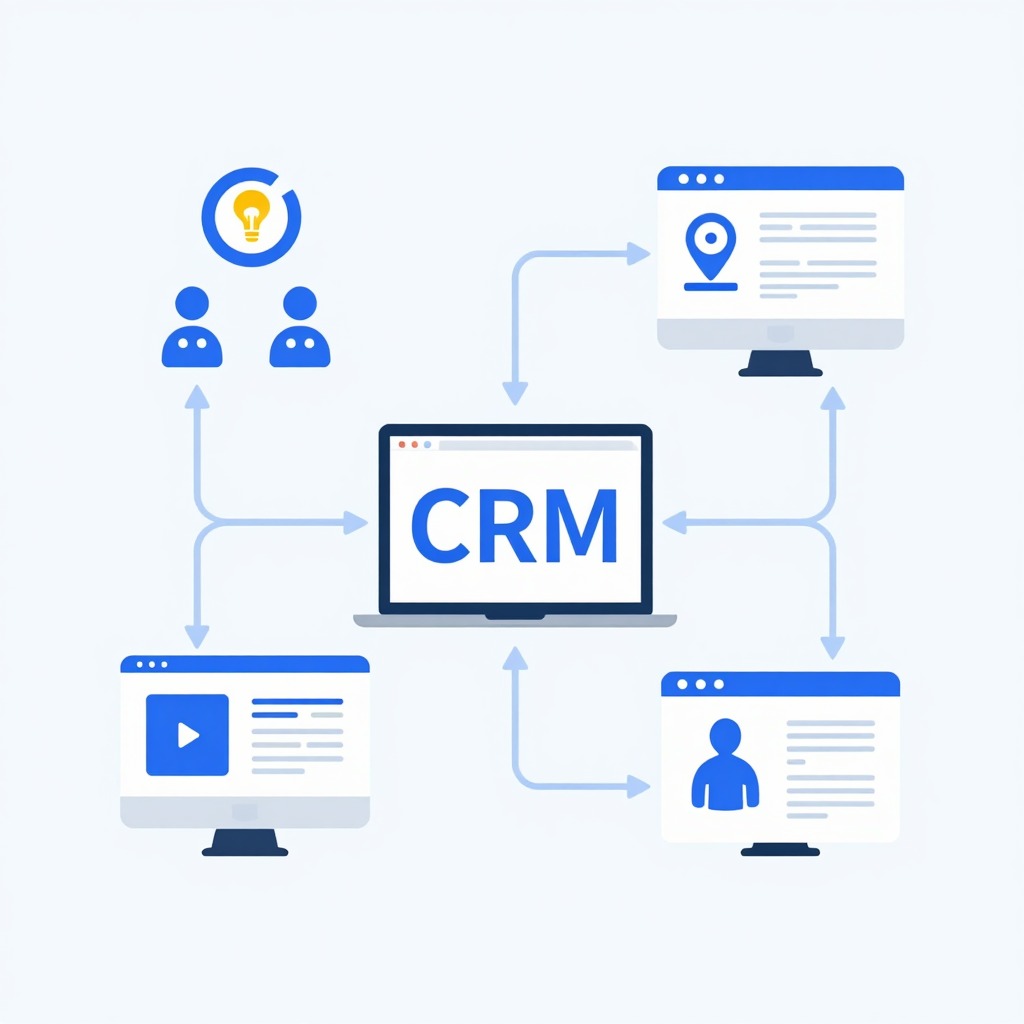
- Customer Relationship Management (CRM) tools
- Digital marketing platforms
- Analytics solutions
- Chatbots and customer support tools
By the end, you’ll have a straightforward tool list to modernize your operations and stay competitive in 2026 and beyond.
Why Offline Retailers Are Moving Online Rapidly: The Current Trend

The retail industry is racing towards digital adoption, with offline shop owners embracing online sales channels to meet evolving consumer behavior. According to a report by McKinsey, e-commerce penetration in India alone grew by over 20% in 2023, and global online retail sales are expected to hit $7 trillion by 2026[^1^]. The COVID-19 pandemic accelerated this shift, but ongoing consumer preference for convenience, personalized experiences, and contactless payments makes digital transformation a necessity rather than an option.
Challenges shop owners face in this migration include managing multiple sales channels, tracking inventory in real-time, and marketing effectively to online audiences. Many retailers struggle with finding beginner-friendly yet powerful tools that provide measurable results without overwhelming complexity.
This is where these top digital tools every shop owner should use in 2026 come into play, providing user-friendly frameworks for growth and digital success.
[^1^]: McKinsey Retail Report 2023
The Essential Digital Tools: What They Are and How They Work
The right technology stack can make or break your online retail success. Below is our simple but comprehensive list of vital tools for shop owners:
| Tool Category | Examples | Primary Use Case | Key Benefit |
|---|---|---|---|
| E-commerce Platforms | Shopify, BigCommerce | Launch/manage online stores with secure checkout | Easy digital storefront setup + marketing |
| Inventory Management Software | TradeGecko, Zoho Inventory | Track/store inventory, automate restock | Prevent stock issues, sync channels |
| Point of Sale (POS) Systems | Square, Lightspeed | In-store + online sales data integration, payments | Seamless omnichannel sales, real-time insights |
| Customer Relationship Management (CRM) | HubSpot, Salesforce | Manage customers, automate marketing | Boost retention + targeted campaigns |
| Digital Marketing Tools | Google Ads, Mailchimp, Canva | Ads, email marketing, social content creation | Drive traffic + increase engagement |
| Analytics Platforms | Google Analytics, Hotjar | Website traffic & behavior monitoring | Data-driven marketing and sales optimization |
| Chatbots & Customer Support | Zendesk, Intercom | Automated or live customer support | Quicker response time, higher satisfaction |
These tools are designed with integration in mind, allowing even small shops to create an interconnected ecosystem that simplifies management and enhances the customer journey.
Real-World Examples of Digital Tool Success in Retail
Many retailers globally have embraced these tools to great effect:
- Fashion Boutique in Mumbai: Using Shopify and Zoho Inventory, this boutique transitioned online within three months, growing sales by 40% while reducing stockouts using automated reorder alerts.
- Coffee Chain in New York: With Square POS and HubSpot CRM, the chain created a loyalty program capturing customer preferences, boosting repeat visits by 25%.
- Local Electronics Store in Germany: Google Ads and Mailchimp campaigns increased website traffic by 50% year-over-year, leading to a 15% rise in online orders.
- Health & Wellness Brand in Australia: Hotjar analytics informed UX improvements on their site, leading to a 33% lift in conversion rates.
- Bookstore in Brazil: Implementing Zendesk chatbots reduced customer inquiry response time from hours to minutes, improving reviews and customer satisfaction.
These case studies demonstrate how digital tools can be tailored for diverse industries and markets, highlighting the universal advantages of going digital.
Step-by-Step Guide to Implementing These Top Tools in Your Shop
Ready to start your digital transformation journey? Here’s a simple 6-step approach:
- Assess Your Needs: Identify your current pain points (inventory, marketing, payments).
- Choose an E-commerce Platform: Select Shopify or BigCommerce to establish your online store quickly.
- Implement Inventory Management: Sync your stock across stores and online channels to avoid errors.
- Integrate a POS System: Combine in-store and online sales for unified data and smoother customer experience.
- Adopt CRM Tools: Capture customer data and automate personalized campaigns.
- Deploy Marketing and Analytics: Use Google Ads, Mailchimp, and analytics platforms to grow and optimize your audience reach.
Regularly evaluate performance and customer feedback to refine your tech stack.
Benefits and Tips for Shop Owners Using Digital Tools
Benefits:
- Operational Efficiency: Automated tasks free up time and reduce manual errors.
- Better Customer Engagement: Personalization and quick support improve loyalty.
- Broader Reach: Online presence opens access to national and global markets.
- Data-Driven Decisions: Analytics provide insights into what drives sales and engagement.
- Cost Savings: Digital marketing is often more cost-effective than traditional ads.
Tips:
- Start small and scale steadily as you gain confidence with each tool.
- Prioritize integration to avoid fragmented data silos.
- Train your team on new systems to maximize impact.
- Keep customer experience front and center—tools should simplify their journey, not complicate it.
- Stay updated on emerging tools and trends to maintain a competitive edge.
Future Trends: What’s Next for Retail Technology?
Looking ahead, shop owners can expect even more advanced tools tailored to evolving consumer demands:
- AI-Driven Personalization: More retailers will use AI to offer tailored recommendations and dynamic pricing.
- Augmented Reality (AR): Virtual try-ons and immersive shopping will grow in popularity.
- Voice Commerce: Shopping via smart speakers will become mainstream.
- Sustainability Tracking: Tools to monitor the ecological impact of retail operations.
- Blockchain for Transparency: Secure provenance and anti-counterfeit measures.
Staying informed about these trends will let retailers be proactive in adopting innovations that improve business and customer satisfaction.
Conclusion
The shift online is no longer optional for offline retailers—it’s essential for survival and growth. By leveraging the top digital tools every shop owner should use in 2026, you can simplify operations, enhance customer experiences, and tap into new markets confidently. This straightforward list offers practical, proven options that work for retailers of all sizes and industries.
Ready to modernize your retail business and thrive in the digital age? Contact us today for expert digital transformation services tailored to your unique needs. Let’s make 2026 your most successful year yet!
FAQ
Q1: How quickly can I launch an online store using an e-commerce platform?
Most platforms like Shopify allow you to launch within days, with no coding required.
Q2: Are these tools suitable for small local shops?
Yes! Many tools scale to fit smaller operations and stay budget-friendly.
Q3: What if I have limited technical skills?
Many tools have simple user interfaces and extensive tutorials. Plus, digital transformation services can assist with setup.
Q4: Can I integrate multiple tools for better efficiency?
Absolutely. Many platforms support seamless integration to unify your workflows.
Q5: How do I measure if the tools are beneficial?
Use built-in analytics and reporting features to track key metrics such as sales growth, customer acquisition, and repeat rates.
[Related post: How to Choose the Best E-commerce Platform in 2026]
Recent Blog

Build a Multi-Vendor Marketplace for Startup Success
Build Your Own Multi-Vendor Marketplace Like Amazon: A Startup’s Guide…

How AI Chatbots Improve Customer Support and Sales
How AI Chatbots Improve Customer Support & Sales: Unlocking the…

10 Signs Your SME Needs Custom Software Now
10 Signs Your Business Needs a Custom Software Solution Estimated…