:
:  :
:  CUBICLES CODERS PVT LTD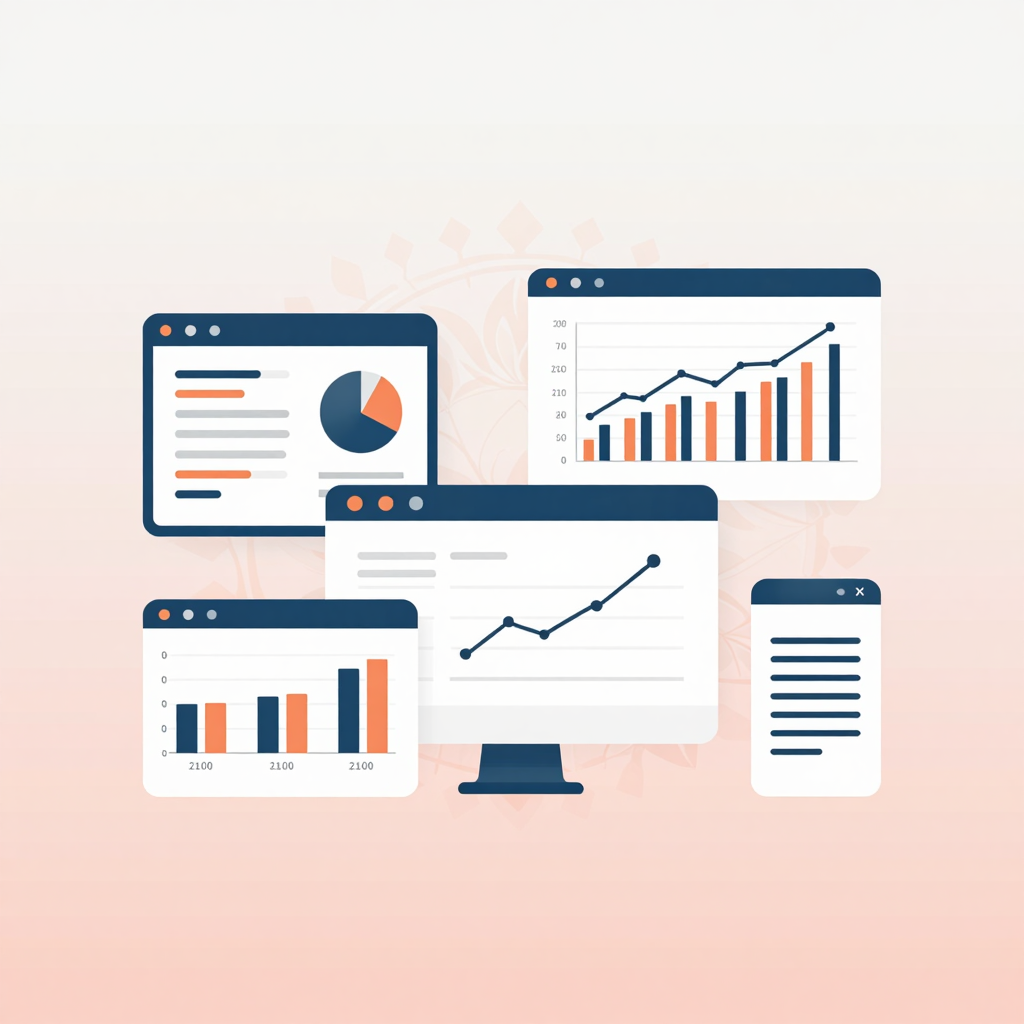
Data-Driven Marketing for Small Business Growth
Data-Driven Marketing: A Small Business Guide to Boost Your Growth
Estimated reading time: 8 minutes
Key Takeaways
- Data-driven marketing utilizes real-time insights to make informed decisions.
- Analytics tools have become more accessible and affordable for small businesses.
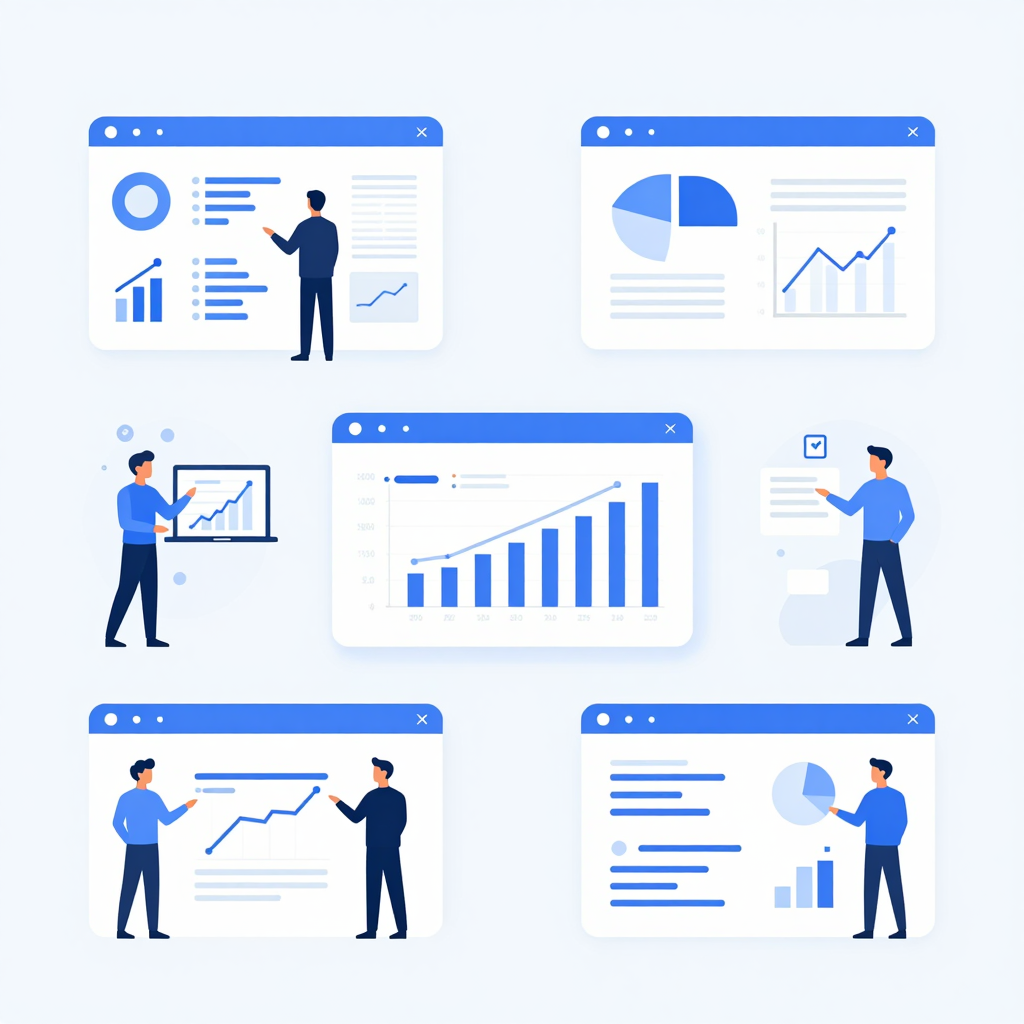
- Simplified dashboards allow non-experts to visualize critical metrics easily.
- Adopting a data-driven approach can significantly enhance customer engagement and sales.
- Emerging trends like AI and privacy regulations are shaping the future of data-driven marketing.
Table of Contents

Introduction
In the ever-evolving digital landscape, data-driven marketing has become a game-changer for small businesses worldwide, including those in India and other emerging markets. At its core, it means using real-time customer and market data to drive marketing decisions—making your strategies informed by hard evidence. With analytics adoption increasing steadily among small businesses, the advantages are clear: better targeting, cost efficiency, and improved customer satisfaction.
Whether you’re running a local store or an online service, mastering data-driven approaches can elevate your marketing game and fuel sustainable growth. This guide breaks down why analytics adoption is booming, explains how simplified dashboards work, shares real-world examples, offers a step-by-step implementation plan, and highlights emerging trends—all while promoting professional analytics setup services designed specifically for small businesses.
Ready to leverage data as your biggest marketing asset? Let’s dive in.
Why Analytics Adoption is Increasing
The trend toward data-driven marketing is accelerating globally. A recent survey showed that over 70% of small businesses now use some form of marketing analytics—up significantly from just a few years ago. The surge is attributable to several critical factors:
- Affordability and Accessibility: Sophisticated analytics tools like Google Analytics and Facebook Insights are free or low-cost and user-friendly.
- Remote Work & Digital Shift: COVID-19 accelerated online business models, making data essential for remote decision-making.
- Competitive Advantage: Businesses that adopt analytics can spot trends early and better understand their customers, allowing them to outmaneuver competitors.
Small businesses across sectors, from retail to healthcare, education, and services, are realizing that embracing data is not optional—it’s essential to stay relevant and profitable.
Key Statistics:
| Statistic | Insight |
|---|---|
| 70%+ small businesses use marketing analytics | Growing reliance on data-based decisions |
| 50% increase in ROI reported after analytics adoption | Analytics drives better budget allocation |
| Top uses: customer segmentation, campaign tracking | Practical applications in everyday marketing |
This growing adoption underscores that data-driven marketing is a small business guide to growth, and effective use of analytics can transform your marketing outcomes.
Simplified Dashboard Explanation
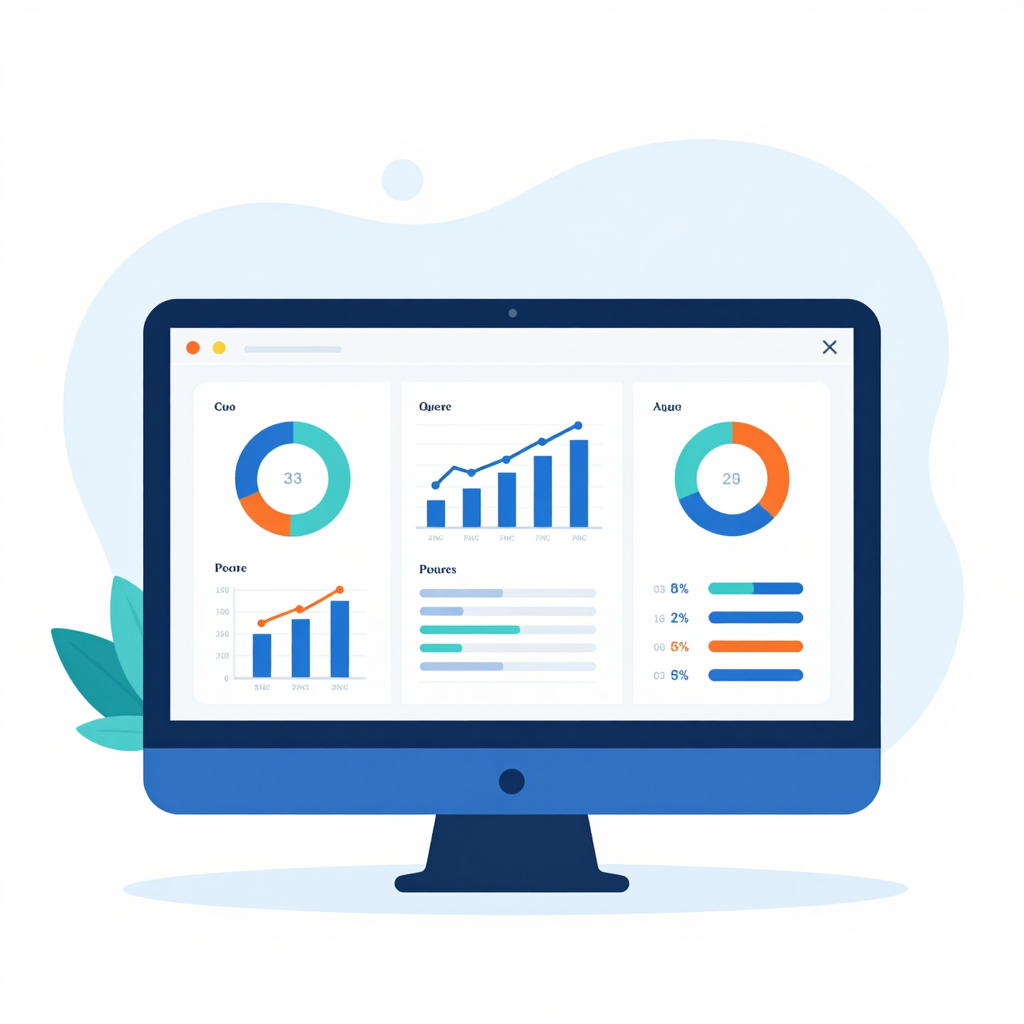
One major barrier to analytics adoption has been the complexity of data reporting. However, today’s simplified dashboards are changing the game by providing clear, actionable insights with ease.
Think of a marketing analytics dashboard as your business control panel—it consolidates all critical metrics in one place:
- Website Traffic: Monitor the number of visitors, bounce rates, and session durations.
- Sales Conversions: Track the effectiveness of your campaigns by measuring how many visitors become customers.
- Email Open Rates: Understand audience engagement with your newsletters.
- Social Media Metrics: See likes, shares, and comments in real-time.
Key features of simplified dashboards:
- Visual & Intuitive: Use of charts, graphs, and color codes for quick understanding.
- Customizable: Focus on KPIs tailored to your specific goals and industry.
- Real-Time Updates: Enables immediate strategy tweaks without waiting for lengthy reports.
Examples of user-friendly tools include Google Data Studio for full customization, Facebook Insights for social campaigns, and bespoke dashboards built by analytics professionals.
Smaller businesses don’t need advanced data scientists to interpret these dashboards—clear visuals help owners and marketing teams stay focused on what truly matters and act promptly.
Real Examples Across Industries
The power of data-driven marketing applies across various sectors. Here are some illustrative cases showcasing real impact:
- Local Retail Store: A boutique clothing shop used Google Analytics to identify that mobile visitors were dropping off before purchase. By optimizing the mobile shopping experience, they increased sales by 30% within three months.
- Healthcare Clinic: A small dental practice utilized email campaign metrics to improve appointment bookings. They segmented patients by age and sent personalized reminders, boosting appointments by 25%.
- Online Education Platform: Tracking social media engagement helped an e-learning startup refine content topics, leading to a 40% uplift in course enrollments.
- Food Delivery Service: Leveraging dashboard insights, a startup identified peak ordering hours and optimized delivery routes, reducing costs and improving delivery times.
Each example underscores that adopting a data-driven approach empowers businesses to eliminate guesswork, focus on high-impact efforts, and adapt swiftly to customer needs.
Step-by-Step Guide to Implementing Data-Driven Marketing
Ready to get started? Follow these steps to introduce analytics in your small business marketing strategy:
- Identify Your Marketing Goals: Define what success looks like—whether it’s increasing online sales, growing email subscribers, or boosting social media engagement.
- Choose the Right Analytics Tools: Start with accessible options like Google Analytics, Facebook Insights, or your platform’s native tracking features.
- Set Up Tracking: Implement tracking codes on your website and connect social media or email platforms to gather data seamlessly.
- Create a Simplified Dashboard: Use built-in analytics dashboards or tools like Google Data Studio for a consolidated view.
- Analyze Key Metrics Regularly: Focus on actionable insights such as conversion rates, customer sources, and engagement levels.
- Make Data-Backed Decisions: Adjust your campaigns, budgets, and strategies based on real-time performance data.
- Train Your Team: Ensure everyone understands how to read reports and why data matters.
- Evaluate and Optimize: Periodically review performance and tweak your data collection or marketing plan accordingly.
If this looks daunting, consider professional help—our Analytics Setup Services can manage everything from setup to training, ensuring you maximize your marketing investment.
Benefits and Tips for Small Businesses Using Data-Driven Marketing
Implementing data-driven strategies offers multiple advantages that help your business thrive:
- Improved ROI: Allocate budgets where you see measurable returns, reducing wasteful spend.
- Enhanced Customer Experience: Know your audience’s preferences and deliver personalized offers.
- Faster Decision-Making: Real-time data empowers quick responses to market changes.
- Competitive Edge: Stay one step ahead by spotting opportunities and threats early.
- Scalable Growth: Use insights to expand marketing efforts cost-effectively.
Pro Tips:
- Regularly clean and update your data to avoid clutter and inaccuracies.
- Use A/B testing to compare strategies and maximize results.
- Integrate multiple data sources (website, social, email) for a 360-degree view.
- Focus on a few key metrics relevant to your goals, not vanity stats.
- Leverage automated reports to stay informed without spending hours analyzing numbers.
Future Trends in Data-Driven Marketing
As technology advances, the future of data-driven marketing is bright and evolving. Expected developments include:
- AI-Powered Analytics: AI will provide predictive insights, automating complex analysis and campaign optimization.
- Increased Privacy Focus: With data regulations tightening, businesses will need to balance analytics with customer privacy.
- Cross-Channel Integration: Unified dashboards connecting online and offline data will offer deeper customer journey understanding.
- Voice and Visual Data Analytics: Analyzing voice search and image interactions will open new marketing frontiers.
- More Affordable Custom Solutions: Tailored dashboards for small business budgets will become mainstream.
Embracing these trends early can position your business ahead of competition and unlock unparalleled marketing success.
Conclusion
Data-driven marketing isn’t just a buzzword—it’s a vital approach for small businesses seeking measurable growth and customer connection in today’s digital-first world. With analytics adoption increasing worldwide, there has never been a better time to harness the power of simplified dashboards and actionable insights. Whether you’re just starting out or looking to optimize your existing marketing efforts, partnering with professionals to set up your analytics can fast-track results and save you time.
Ready to make smarter marketing decisions? Contact us today! Let our expert Analytics Setup Services turn your data into your business’s greatest asset and unlock new growth opportunities.
FAQ
What is data-driven marketing and why is it important for small businesses?
Data-driven marketing uses real customer and market data to inform marketing strategies, helping small businesses target better, reduce waste, and increase ROI.
Are analytics tools expensive or complicated?
Many tools like Google Analytics and Facebook Insights are free and designed with user-friendly dashboards specifically for non-experts.
How often should I review my marketing data?
Regularly—ideally weekly or monthly—to track trends, identify opportunities, and quickly adjust strategies for optimal results.
What if I don’t have time or skills to manage analytics?
Professional analytics setup and management services are available to handle installation, reporting, and training so you can focus on your core business.
How does a simplified dashboard help in marketing?
It consolidates key marketing metrics in one easy-to-understand view, enabling quick decisions without technical expertise.
Recent Blog

Build a Multi-Vendor Marketplace for Startup Success
Build Your Own Multi-Vendor Marketplace Like Amazon: A Startup’s Guide…

How AI Chatbots Improve Customer Support and Sales
How AI Chatbots Improve Customer Support & Sales: Unlocking the…
10 Signs Your SME Needs Custom Software Now
10 Signs Your Business Needs a Custom Software Solution Estimated…