:
:  :
:  CUBICLES CODERS PVT LTD
API-First Development for Scalable, Future-Proof Applications
API-First Development: Building Future-Proof Applications Businesses Demand Scalable Integrations
Estimated reading time: 8 minutes
Key Takeaways
- API-First development is crucial for companies looking to build scalable, maintainable, and adaptable applications.
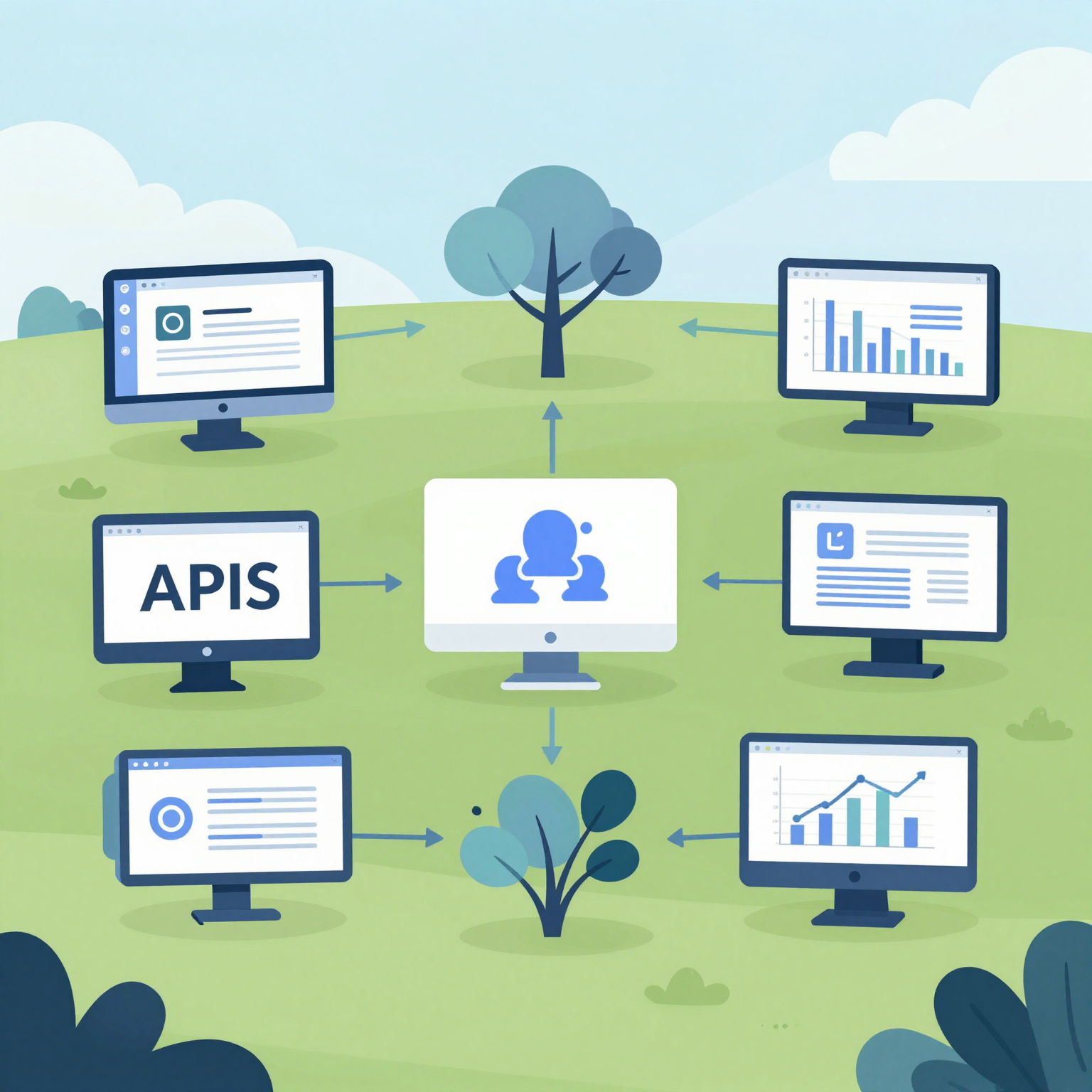
- This approach fosters flexibility, enabling teams to work concurrently on frontend and backend tasks.
- Implementing clear API contracts and documentation enhances developer experience and collaboration.
- Choosing the right backend architecture, such as microservices, can significantly improve API performance and resilience.
- Future trends like AI-driven API design and serverless architecture are transforming the API landscape.
Table of Contents
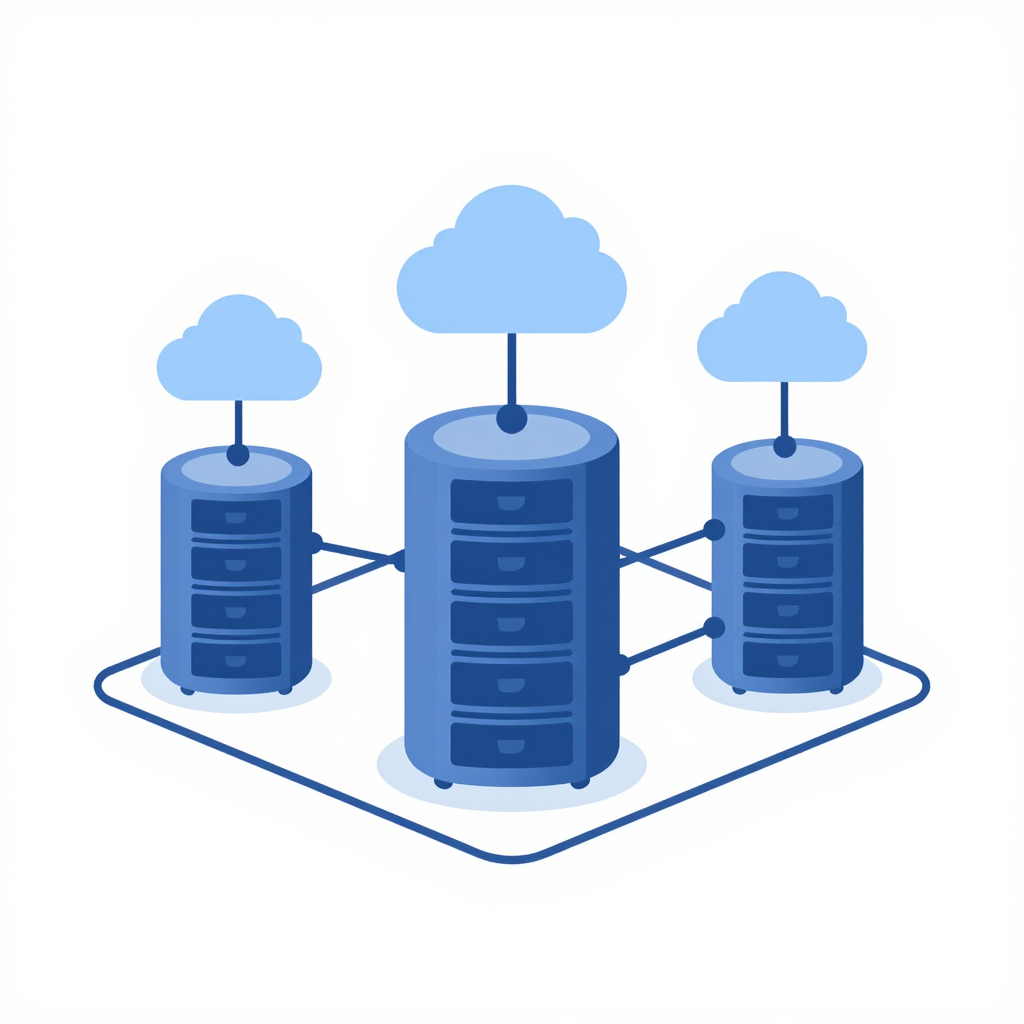
Introduction
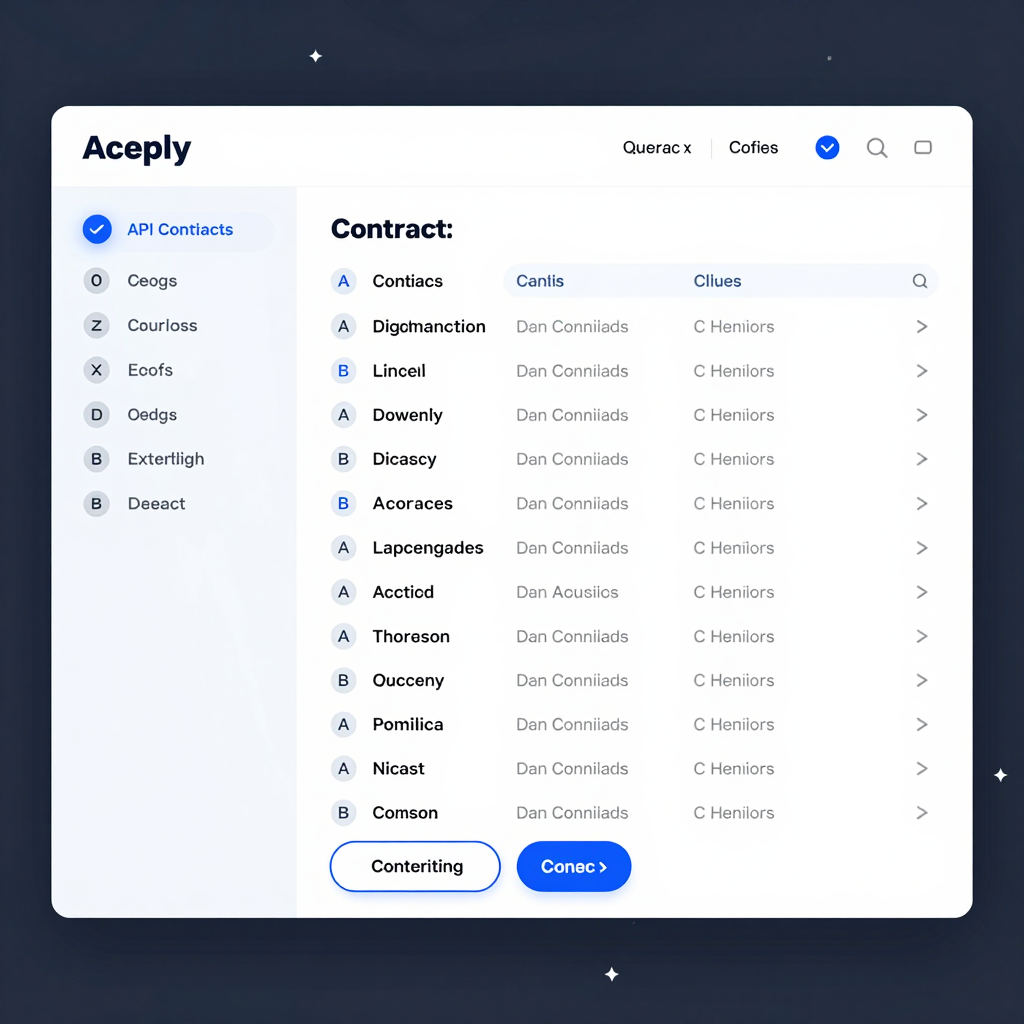
In the dynamic digital era, businesses globally are pushing the boundaries of innovation and scalability, demanding software solutions that adapt rapidly to change. API-First development has emerged as a vital approach to meet these challenges by putting APIs at the core of application design. This method ensures that applications are inherently flexible, scalable, and ready for integration with diverse platforms and devices.
Whether you are building enterprise-grade platforms, consumer-facing applications, or complex backend services, adopting an API-First mindset can be transformational. This technical guide will explore why API-First development is essential, its core principles, backend architecture patterns, and practical tips to build applications that stand the test of time.
In markets like India, with its booming digital economy and extensive mobile-first audience, scalable integrations aren’t just nice to have—they’re a business imperative. Globally, companies that prioritize APIs are accelerating innovation while reducing time-to-market, making API-First development a cornerstone of future-proof software delivery.
Why API-First Development?
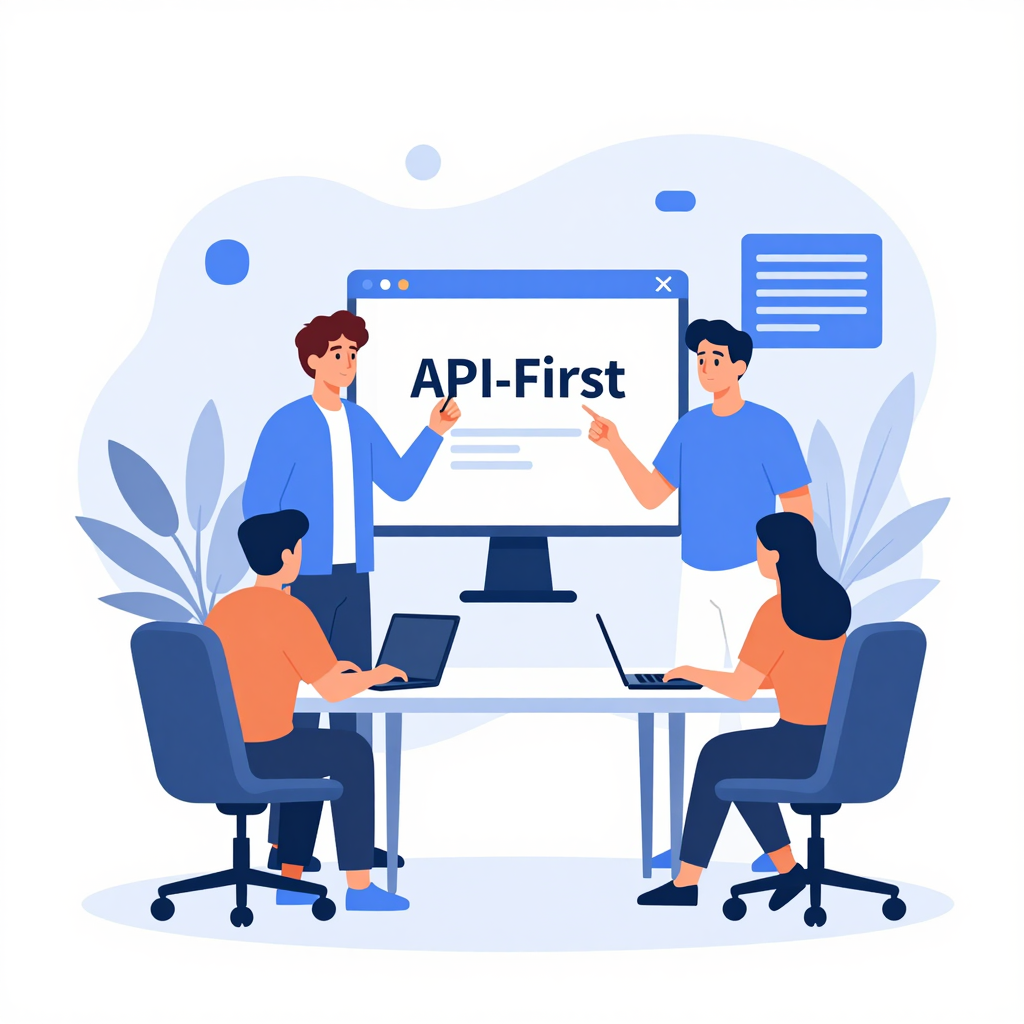
API-First isn’t just a trend—it’s a necessity driven by evolving business needs. Here’s why this approach is gaining widespread adoption:
- Scalability: APIs enable modular development where different components can scale independently, meaning your infrastructure adapts as demand grows.
- Flexibility: Frontend and backend teams work concurrently once API contracts are agreed upon, speeding development cycles and reducing bottlenecks.
- Interoperability: APIs are the lingua franca that allow easy integration with third-party services, legacy systems, and emerging platforms like IoT devices.
- Maintainability: Clear, strict API contracts reduce codebase coupling, making it easier to update and extend features without breaking existing functionality.
- Faster Time-to-Market: By reusing APIs and enabling parallel workflows, businesses can quickly prototype and release new features.
Businesses demanding scalable integrations see tangible benefits not just in technology but also customer experiences and operational efficiency.
Core Principles of API-First Development
Mastering API-First development requires adherence to vital principles that guide design and implementation:
1. Design APIs before Implementation
Start with API design using specifications like OpenAPI (Swagger), RAML, or API Blueprint. Creating an API contract upfront allows stakeholders—from frontend developers to QA and customers—to provide early feedback.
2. Clear and Consistent API Contracts
Establish uniform conventions for naming, data formats, and error responses. Implement versioning strategies, such as URI path versioning (`/v1/`) or custom headers, to ensure smooth backward compatibility.
3. Focus on Developer Experience
Provide comprehensive, easy-to-navigate documentation, sandbox environments for experimentation, and SDKs to simplify client integration. Tools like Swagger UI make APIs interactive and enjoyable to use.
4. Security and Compliance by Design
Incorporate security early by adopting authentication standards such as OAuth 2.0 and JWT tokens. Enforce rate limiting, input validation, and data encryption to keep APIs robust and compliant with regulations like GDPR or HIPAA.
5. Automated Testing and Monitoring
Develop contract tests to confirm APIs meet defined contracts and avoid regressions during iterative development. Use monitoring solutions to analyze API performance, detect errors quickly, and ensure SLAs are met.
Backend Architecture Patterns for API-First Development
Selecting the right backend architecture is crucial in shaping scalable, resilient APIs.
1. Layered Architecture
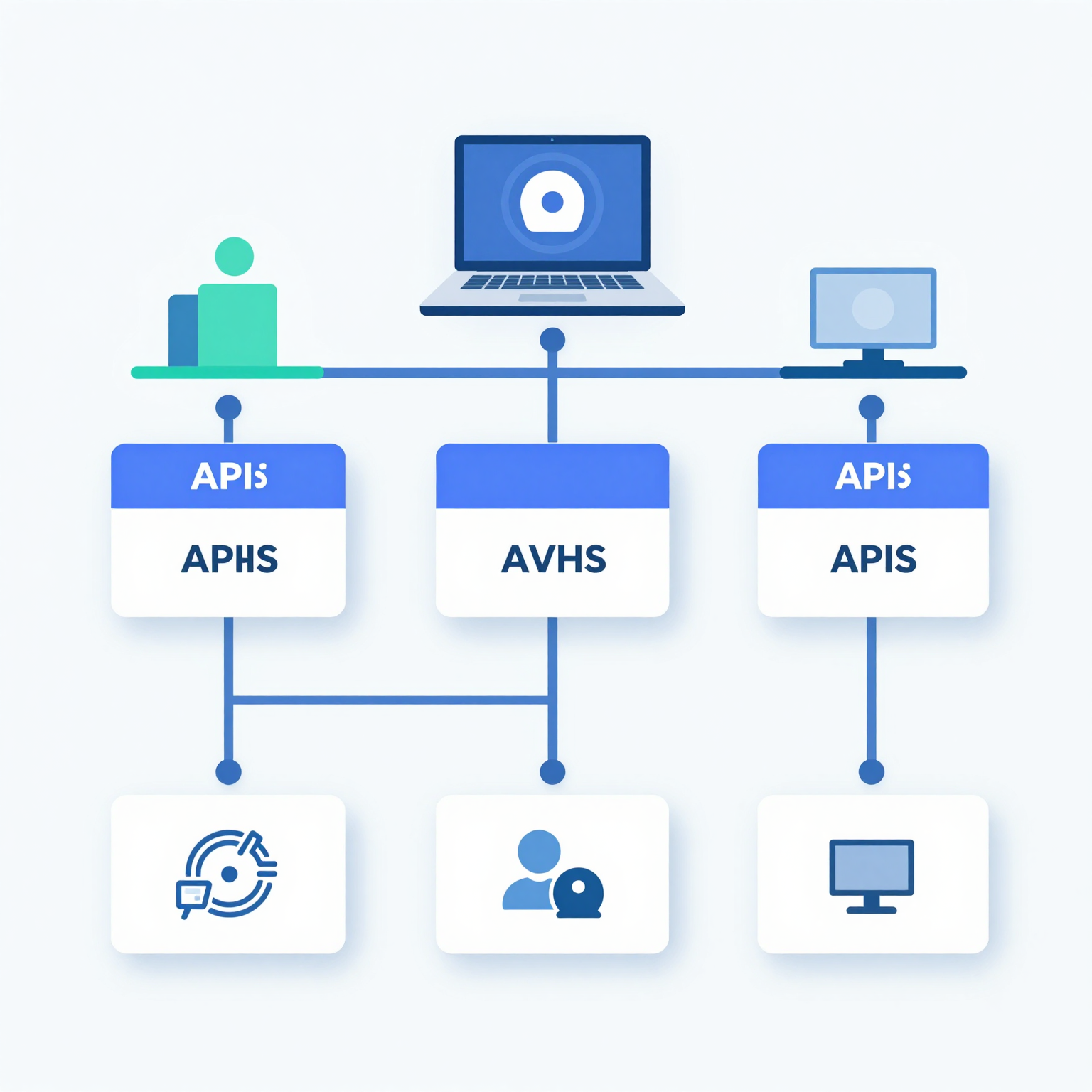
This traditional approach divides the backend into distinct layers: API Gateway, Application, Domain, and Data Persistence. For example, an API Gateway routes requests, handles authentication, and enforces rate limits, thereby decoupling clients from internal implementations.
2. Microservices Architecture
Microservices break applications into independent services owning single business capabilities. Each service exposes specialized APIs and can be deployed and scaled without affecting others, perfect for large, evolving applications.
3. Event-Driven Architecture
By leveraging asynchronous events and message brokers such as Kafka or RabbitMQ, microservices remain decoupled, improving fault tolerance and responsiveness. Events trigger workflows and data updates without tight integration.
4. API Gateway Pattern
The API Gateway acts as a facade managing client requests. It coordinates tasks like request routing, security enforcement, caching, and response transformations. Popular gateways include Kong, Apigee, and AWS API Gateway, all providing powerful management tools.
Practical Tips for Building Future-Proof APIs
Building APIs that endure business changes requires thoughtful best practices:
- Use REST or GraphQL Appropriately: Choose REST for straightforward resource manipulation; opt for GraphQL when clients need flexible, precise queries.
- Implement Pagination, Filtering, and Sorting: Optimize performance by handling large data sets intelligently.
- Consistent Error Handling: Adopt standard HTTP codes with detailed error payloads, aiding debugging and client-side handling.
- Version APIs Early and Clearly: Avoid unexpected breaking changes by versioning from the start. Communicate deprecation paths effectively.
- Leverage API Management Platforms: Employ platforms like Apigee or Mulesoft for centralized analytics, policy enforcement, and monetization.
Sample Technology Stack for API-First Backend
| Layer | Technology Examples |
|---|---|
| API Design | OpenAPI, Swagger, Postman |
| API Gateway | Kong, NGINX, AWS API Gateway |
| Backend Framework | Node.js (Express), Spring Boot, Django REST Framework |
| Microservices | Docker, Kubernetes, Istio |
| Messaging/Event Bus | Apache Kafka, RabbitMQ |
| API Security | OAuth 2.0, JWT Libraries |
| API Management | Apigee, Mulesoft, Tyk |
| Monitoring | Prometheus, Grafana, ELK Stack |
Selecting the right tools tailored to your business needs and team skills will boost efficiency and scalability.
Future Trends in API-First Development
Looking ahead, several emerging trends will influence API-driven architectures:
- API Meshes: Facilitate fine-grained API communication control across distributed services.
- Serverless APIs: Cloud providers enable scalable functions with API triggers reducing infrastructure management overhead.
- AI-Driven API Design: Tools assist in automatic code generation and API optimization based on usage patterns.
- Increased API Security Automation: Integration of AI to detect threats and enforce security policies dynamically.
- Expansion of Event-Driven APIs: Greater reliance on asynchronous patterns for ultra-responsive, loosely coupled systems.
Adopting these trends early can future-proof your application infrastructure even further.
Conclusion
API-First development is no longer optional—it’s essential for delivering scalable, maintainable, and adaptable applications that meet rapid business demands. By embedding APIs into your design and development workflows and choosing backend architectures that support modularity and scalability, you empower your teams to innovate faster and build systems that endure.
Ready to start your API-First journey? Contact us today! Whether you need help crafting API contracts, designing efficient backend architectures, or optimizing your integrations, we’re here to support your future-proof application goals.
FAQ
What is the main advantage of API-First development?
It enables independent frontend and backend development, ensures scalability, and reduces integration complexity.
How does API versioning benefit applications?
It prevents breaking changes by allowing multiple API versions to coexist, giving clients time to migrate.
Should I use REST or GraphQL for my API?
Use REST for standard CRUD operations and GraphQL when clients need flexible queries and to reduce multiple round trips.
What is an API Gateway’s role?
The API Gateway acts as a single entry point handling routing, security, caching, and request transformation.
How can I improve API security?
Incorporate OAuth 2.0, JWT for authentication, rate limiting, encryption, and continuous monitoring.
Recent Blog

Build a Multi-Vendor Marketplace for Startup Success
Build Your Own Multi-Vendor Marketplace Like Amazon: A Startup’s Guide…

How AI Chatbots Improve Customer Support and Sales
How AI Chatbots Improve Customer Support & Sales: Unlocking the…

10 Signs Your SME Needs Custom Software Now
10 Signs Your Business Needs a Custom Software Solution Estimated…