:
:  :
:  CUBICLES CODERS PVT LTD
AI Web Development 2026: Tools and Real Use Cases for Smarter Sites
AI in Web Development 2026: Explain AI Tools + Real Use Cases for Smarter Websites
Estimated reading time: 10 minutes
Key Takeaways

- AI tools are revolutionizing the web development landscape in 2026.
- Real-world applications demonstrate significant improvements in efficiency and effectiveness.
- Integration of AI can enhance security, SEO, and user accessibility.
- Future trends indicate a shift towards hyper-personalization and ethical AI governance.
- Businesses leveraging AI stand to gain a competitive advantage.
Table of Contents

Introduction
The digital landscape is evolving faster than ever, and AI in Web Development 2026 is at the forefront of transforming how websites are designed, built, and maintained. Whether you’re a developer, designer, marketer, or business owner, understanding the latest AI tools and real-world applications can provide a significant competitive advantage. From automating mundane coding tasks to creating hyper-personalized user experiences, AI is reshaping every facet of web development globally.
With the surge in AI adoption across industries worldwide — particularly in tech-forward markets like India, the US, and Europe — web creators are leveraging AI-powered solutions not only to accelerate development but also to enhance security, accessibility, and SEO. In this comprehensive article, we’ll explore advanced AI tools revolutionizing development workflows and highlight real use cases where AI drives tangible business outcomes. Are you ready to see how AI can elevate your web projects in 2026?
AI Tools in Web Development 2026
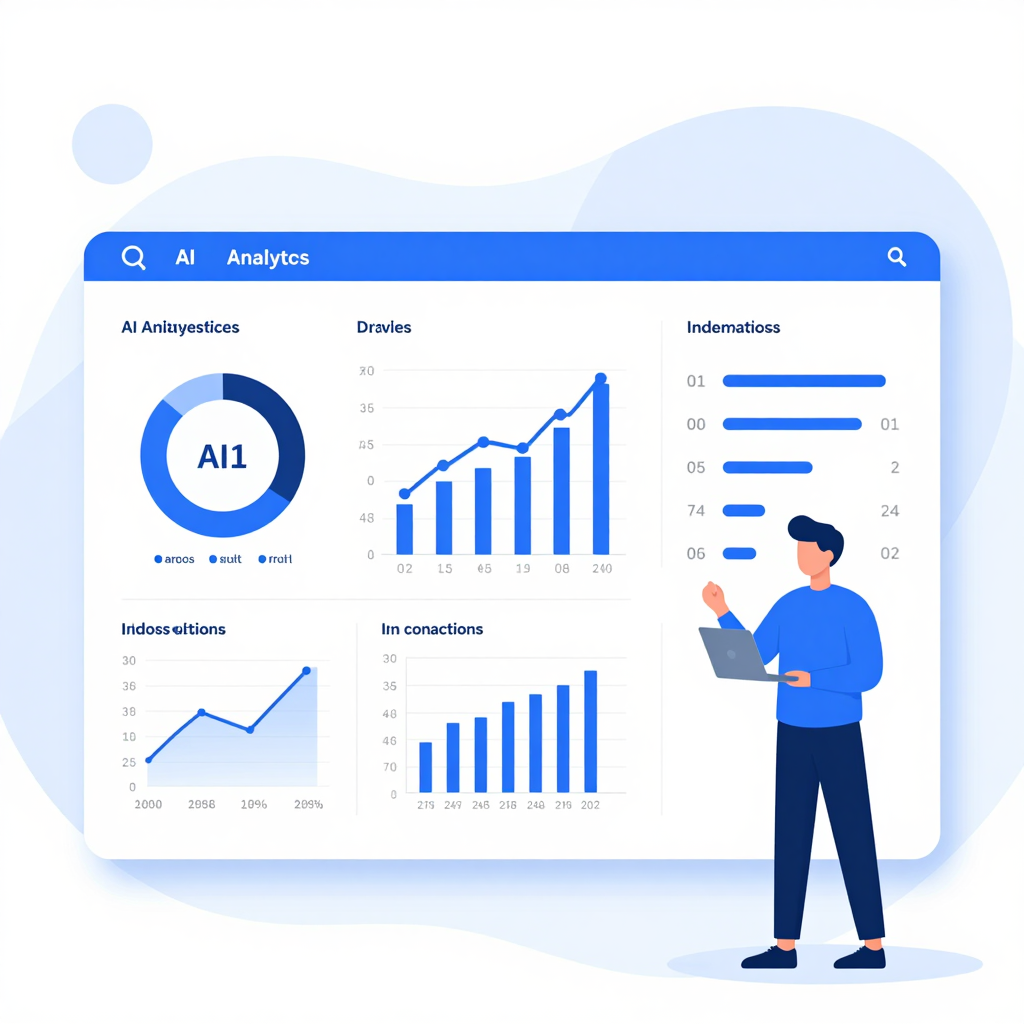
Modern web development relies heavily on AI tools designed to simplify complex processes and boost efficiency. Below are some of the most influential AI-powered technologies reshaping the industry:
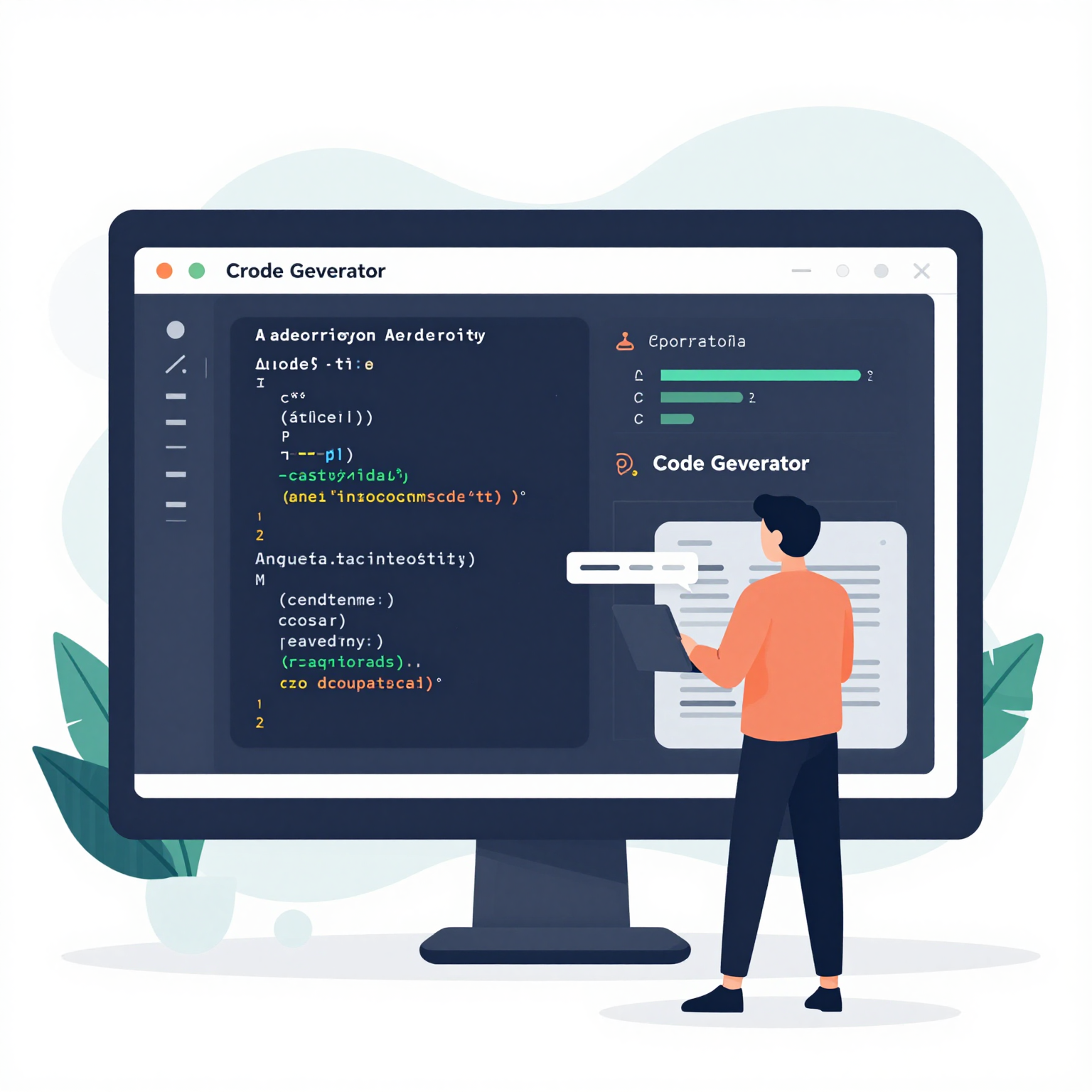
1. AI Code Generators
- Examples: GPT-5-powered coding assistants, TabNine AI coder, GitHub Copilot X
- Features: These tools generate frontend and backend code snippets instantly, auto-complete code with contextual awareness, and even suggest bug fixes and performance optimizations.
- Use Case: Developers can produce boilerplate code faster, using natural language prompts to create React components or API endpoints without manual coding.
2. AI Design Assistants
- Examples: Adobe Sensei, Uizard, Figma AI plugins
- Features: AI assists in automatically generating layouts, optimizing UI/UX elements based on real user behavior data, and suggesting color schemes and typography options.
- Use Case: Designers receive AI-generated wireframes and prototypes tailored to brand guidelines, speeding up design iterations and improving user engagement.
3. AI-Powered Testing and QA
- Examples: Testim AI, Applitools, mabl
- Features: These platforms offer automated visual testing, AI-driven test case generation, intelligent bug detection, and performance analysis.
- Use Case: QA teams feed high-level application requirements into AI systems to get comprehensive test suites that catch UI regressions and identify bottlenecks swiftly.
4. Conversational AI and Chatbots
- Examples: OpenAI ChatGPT plugins, IBM Watson Assistant, Google Dialogflow CX
- Features: Advanced chatbots support natural language, maintain multi-turn conversations with context persistence, and integrate seamlessly with backend databases and business logic.
- Use Case: Websites deploy AI-driven chatbots providing round-the-clock customer support, scheduling, and troubleshooting, significantly reducing human workload.
5. AI Content Generators
- Examples: Jasper AI, Copy.ai, Writesonic
- Features: Generate SEO-friendly blog entries, product descriptions, onboarding guides, and other content based on specific keywords and tonal preferences.
- Use Case: Marketing teams quickly produce personalized, optimized website content that aligns with SEO best practices, cutting down manual writing time.
6. AI Security Tools
- Examples: Darktrace AI, CrowdStrike AI Threat Detection
- Features: These AI tools detect anomalies, predict threats, and recommend automated patches to enhance cybersecurity posture.
- Use Case: Web platforms proactively identify and mitigate security risks in real time, ensuring sensitive user data is protected without constant human oversight.
Real Use Cases of AI in Web Development 2026
How are businesses applying these AI tools today? Here are some eye-opening examples across industries:
1. Personalized E-commerce Websites
AI dynamically customizes homepages and product recommendations based on user behavior, purchase history, and current market trends — boosting conversion rates significantly.
Example: An online fashion retailer leverages AI to tailor the website theme and product lineup for each visitor, resulting in a 35% increase in sales.
2. Low-Code/No-Code Platforms
AI-powered visual website builders allow users with zero programming knowledge to create fully functional sites simply by typing natural language instructions.
Example: A small business owner instructs an AI tool to “Create a portfolio site with a blog and contact form,” instantly producing an impressive, job-ready website.
3. Automated Accessibility Compliance
AI scans websites to adjust elements such as contrast, font sizes, and alt-texts to meet WCAG 3.0 accessibility standards automatically.
Example: Government portals use AI-driven accessibility adjustments in real time, markedly improving usability for users with disabilities.
4. SEO Optimization and Insights
AI tools monitor website metrics, analyze competitor strategies, and update SEO tactics based on algorithm changes, including voice search optimization.
Example: A leading media company grows organic traffic by 40%, utilizing AI to optimize content and metadata dynamically across multiple channels.
5. Real-Time Multilingual Sites
AI translation engines localize entire websites instantly, with cultural nuance adaptations for dozens of languages — supporting seamless global expansion.
Example: A travel platform deploys AI-based multilingual support, enhancing overseas user retention rates by 50%.
6. AI-Driven Analytics Dashboards
These dashboards integrate data on user engagement and business KPIs with predictive analytics, generating actionable insights and alerts.
Example: A SaaS company automatically detects signs of customer churn, recommending targeted product improvements that retain valuable users.
Benefits of Using AI in Web Development
Integrating AI tools into your web development process offers numerous advantages:
- Accelerated development cycles: Less manual coding with AI code generators speeds time-to-market.
- Improved design quality: AI-driven design assistants offer data-centric UI/UX improvements.
- Enhanced testing accuracy: Automated test suites reduce human error in QA.
- Round-the-clock customer support: AI chatbots handle routine client inquiries efficiently.
- Scalable content production: AI content generators maintain SEO consistency and volume effortlessly.
- Proactive security measures: AI identifies threats faster than traditional methods.
- Global reach: Multilingual AI enables international audience engagement.
- Accessibility improvements: Automated compliance boosts inclusivity.
Future Trends in AI Web Development
Looking ahead, here are some emerging AI trends likely to shape web development beyond 2026:
- Explainable AI: Increasing demand for transparent AI decisions, especially in automated testing and security.
- Hyper-personalization: Even deeper content and UI customization leveraging real-time user emotions and biometrics.
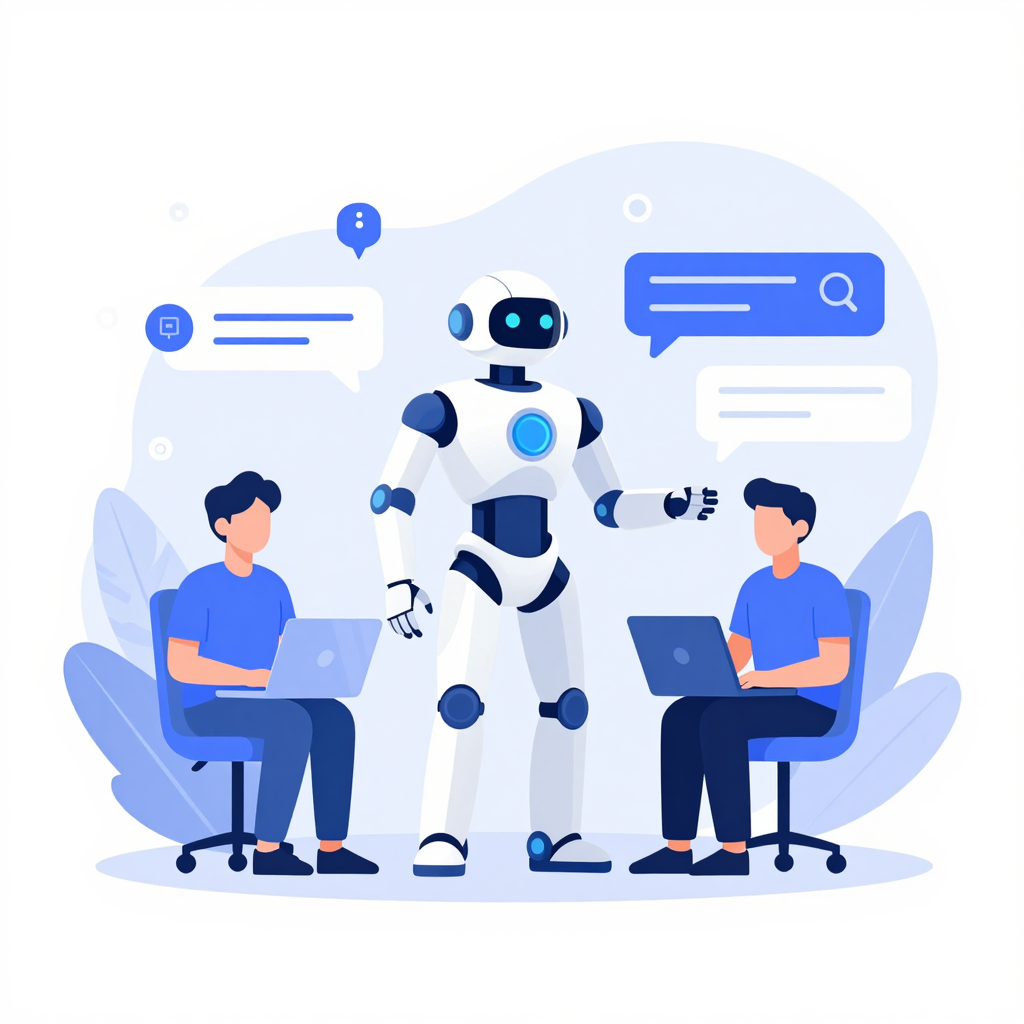
- AI-Augmented Coding Teams: Human developers collaborating with AI as partners rather than tools.
- Ethical AI Governance: Stronger policies to mitigate bias and data privacy risks in AI web apps.
- Voice & Gesture Control: Websites adapting to multimodal user inputs facilitated by intelligent AI interfaces.
By embracing these trends and tools, businesses will continue building smarter, more efficient, and user-friendly web experiences.
Conclusion
In summary, AI in Web Development 2026 offers incredible opportunities to transform how websites are created and managed. From AI code generators accelerating development to powerful chatbots providing superior customer engagement, and automated SEO tools boosting traffic—AI empowers your web projects to be faster, smarter, and more inclusive.
Are you ready to harness these AI innovations for your business? Contact us today to learn how cutting-edge AI tools can elevate your website development and digital strategy.
FAQ
How can AI reduce the need for manual coding in web development?
AI code generators automate boilerplate coding and suggest code snippets based on natural language prompts, thus reducing repetitive tasks.
Is AI content generation reliable for SEO?
Yes, AI tools can produce keyword-rich, engaging content aligned with SEO best practices, enhancing organic search performance.
Can AI improve website accessibility automatically?
Absolutely. AI scans and adjusts design elements to comply with accessibility standards such as WCAG 3.0 in real time.
What industries benefit most from AI in web development?
Nearly all sectors, including e-commerce, SaaS, media, government, travel, and small business platforms benefit from AI-powered web solutions.
Are AI tools in web development globally accessible?
Yes, AI tools are widely used worldwide, with adaptations for regional languages and regulations, making them versatile for global businesses.
Recent Blog

Build a Multi-Vendor Marketplace for Startup Success
Build Your Own Multi-Vendor Marketplace Like Amazon: A Startup’s Guide…
How AI Chatbots Improve Customer Support and Sales
How AI Chatbots Improve Customer Support & Sales: Unlocking the…

10 Signs Your SME Needs Custom Software Now
10 Signs Your Business Needs a Custom Software Solution Estimated…