:
:  :
:  CUBICLES CODERS PVT LTD
AI Healthcare Software Opportunities and Challenges
AI in Healthcare Software: Opportunities and Challenges in an Accelerating Digital Transformation

Estimated reading time: 8 minutes
Key Takeaways
- The digital transformation in healthcare is rapidly evolving due to AI technologies.
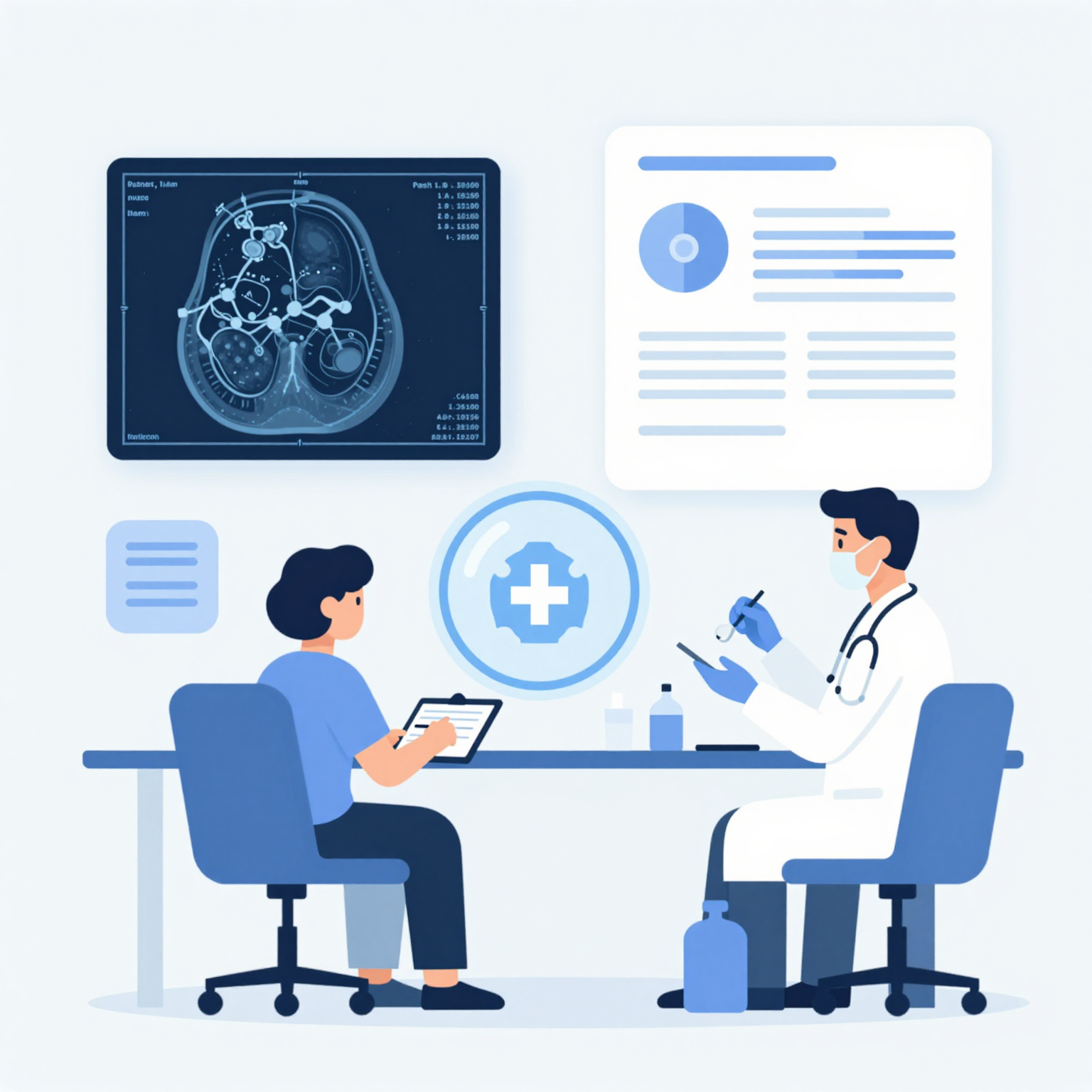
- AI offers significant opportunities for enhanced diagnostics, personalized treatment plans, and operational efficiencies.
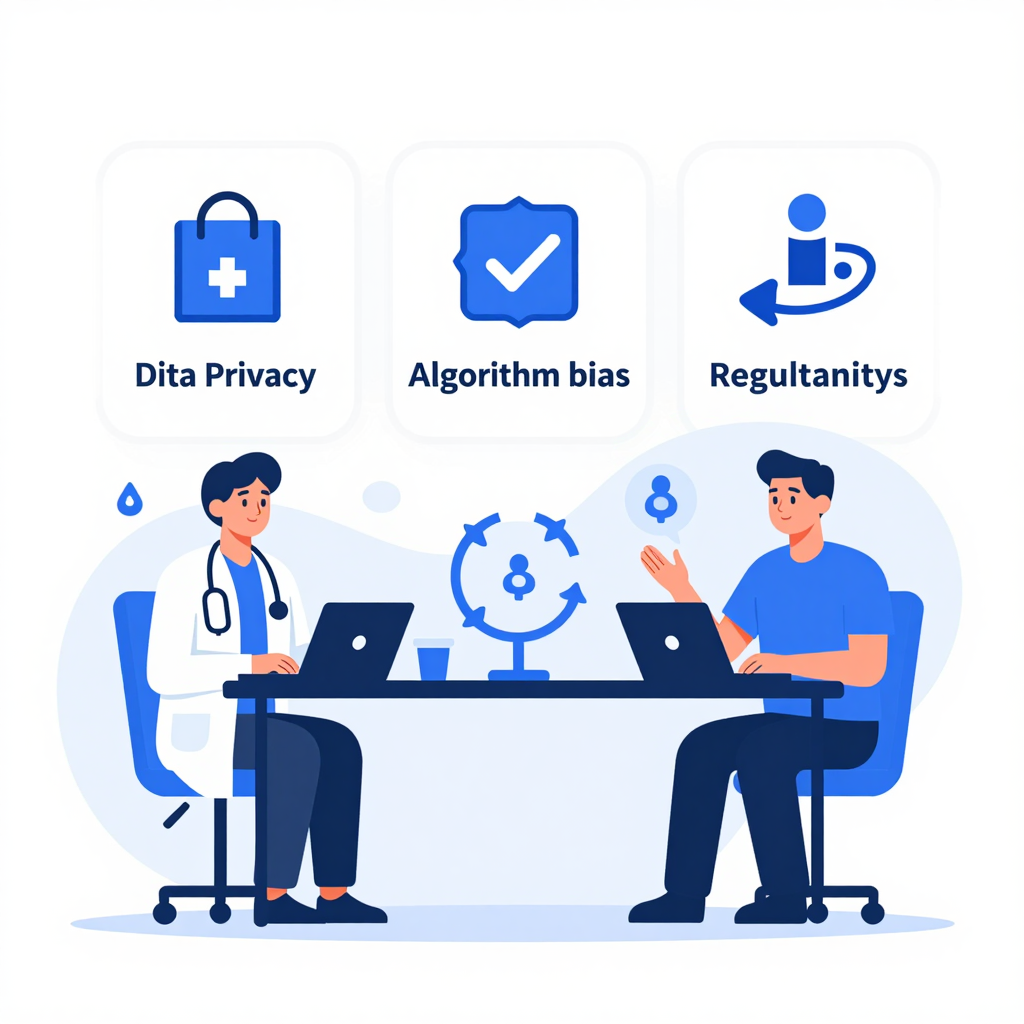
- Challenges such as data privacy, algorithmic bias, and regulatory hurdles need to be managed effectively.
- Collaboration between healthcare professionals and AI developers is crucial for successful implementation.
- Continuous improvement and ethical AI practices are necessary to build trust and reliability in AI systems.
Table of Contents
Introduction
The landscape of healthcare is evolving at an unprecedented pace, driven by the accelerating digital transformation reshaping the industry worldwide. Among the most transformative forces is AI in healthcare software, which is unlocking new potential in patient care, diagnostics, and operational efficiency. For healthcare technology clients, understanding the opportunities and challenges inherent in this AI revolution is vital to harness its full benefits.
As healthcare digital transformation is accelerating, fueled by advances in AI, expansive data generation, and consumer demand, technology companies face unique industry-specific requirements and complexities. This article explores the multifaceted impact of AI on healthcare software—from enhanced diagnostics to regulatory hurdles—offering strategic insights for healthcare technology decision-makers globally and within emerging markets like India, where digital health innovation is rapidly expanding.
This comprehensive guide covers:
- The driving forces behind healthcare’s digital acceleration
- The top opportunities AI creates in healthcare software
- The critical challenges faced during AI integration
- Strategic recommendations to overcome hurdles and maximize impact
Ready to dive in? Let’s explore how AI is shaping the future of healthcare software today.
The Accelerating Healthcare Digital Transformation
Healthcare is witnessing a digital revolution. Several key factors explain why the transformation is gaining momentum:
- Growing Data Availability: With the widespread adoption of Electronic Health Records (EHRs), an explosion of medical imaging, genomics data, and continuous patient monitoring via wearables, healthcare systems are rich in data. AI thrives on such vast, complex datasets, enabling insights impossible at scale for human analysis.
- Regulatory Encouragement: Governments worldwide promote digital health innovation. In the US, initiatives like the 21st Century Cures Act push interoperability and data exchange. In the EU, GDPR ensures data protection while nurturing innovative analytics. India’s National Digital Health Mission signals a regional push toward digital solutions.
- Consumer Demand: Patient expectations have shifted toward personalized, convenient, and real-time care. AI-powered telehealth, chatbots, and remote monitoring meet these demands effectively.
- Technological Advances: Improvements in machine learning algorithms, cloud infrastructure, and computing power are reducing the cost and complexity of AI deployments, making them scalable and sustainable.
This evolving landscape sets the stage for healthcare software vendors to build AI-enabled solutions that are not only innovative but also deeply aligned with market dynamics and patient needs.
Key Opportunities of AI in Healthcare Software
Healthcare technology clients are beginning to realize the transformative potential of AI through several key opportunities:
1. Enhanced Diagnostics and Decision Support
AI-powered diagnostic algorithms are revolutionizing disease detection. For instance:
- Deep learning models analyze radiology images with accuracy rivaling human experts, rapidly identifying cancers or internal injuries.
- AI integrates various data points like lab results and patient history to provide clinicians with decision support that reduces errors and speeds up diagnosis.
Early detection means earlier intervention, and AI makes this feasible at scale.
2. Personalized Treatment Plans
AI enables treatment personalization by processing patient-specific genetic, lifestyle, and clinical data to predict responses and tailor therapies. Benefits include:
- Improved efficacy of treatments minimizing side effects.
- Predictive models that forecast disease progressions, enabling proactive care adjustments.
This data-driven personalization is paving the way for precision medicine’s wider adoption.
3. Operational Efficiency and Cost Reduction
AI automates routine administrative tasks such as appointment scheduling, claims processing, and billing verification, reducing overhead costs. Additionally:
- Predictive analytics optimize hospital resource allocation—staffing, bed management, and equipment usage—leading to enhanced workflow and patient throughput.
- Chatbots reduce call center volumes by handling routine patient inquiries.
The result? More cost-effective, streamlined healthcare operations.
4. Remote Monitoring and Telehealth
AI-powered wearables and devices provide continuous patient monitoring, enabling:
- Real-time vitals tracking, alerting providers to early signs of deterioration.
- Virtual health assistants that guide patients through medication adherence and post-discharge care.
Especially during the pandemic, these tools proved critical in maintaining continuity of care while minimizing infections.
Key Challenges in AI Healthcare Software
Despite immense potential, integrating AI into healthcare software presents significant challenges:
1. Data Privacy and Security
Healthcare data is among the most sensitive. Challenges include:
- Ensuring strict compliance with HIPAA (US), GDPR (Europe), and other data protection regulations globally.
- Protecting against cyberattacks, which could compromise patient confidentiality and trust.
- Designing secure data storage, encryption, and anonymization processes.
Failure in data security risks legal penalties and irreparable reputational damage.
2. Algorithm Bias and Fairness
AI systems risk inheriting biases from training data, which can exacerbate health disparities:
- Models trained predominantly on data from specific demographics may underperform for minorities.
- Lack of transparency (“black box” AI) hinders the identification and mitigation of biases.
Ongoing model evaluation, transparency, and use of diverse datasets are critical.
3. Regulatory Approval and Compliance
Healthcare AI software must often pass rigorous regulatory scrutiny:
- Agencies like the FDA and EMA require evidence of safety, efficacy, and risk management.
- Documentation and validation must be thorough, a costly and time-consuming process.
Navigating this approval landscape demands specialized expertise.
4. Integration with Legacy Systems
Healthcare IT environments are typically fragmented and built on legacy platforms:
- Interoperability remains a challenge despite standards like HL7 and FHIR.
- AI solutions must integrate seamlessly without disrupting existing workflows.
Developers face the dual challenge of innovation and compatibility.
5. Trust and Adoption by Healthcare Professionals
Clinicians remain cautiously optimistic:
- Concerns around AI transparency, reliability, and potential job impacts exist.
- Lack of explainability in AI decisions can hinder trust and willingness to adopt.
Explainable AI and adequate user training are priorities to ensure clinical buy-in.
Strategic Recommendations for Healthcare Technology Clients
To effectively capitalize on AI’s promise while managing risks, healthcare software providers should:
- Prioritize Data Privacy and Ethical AI: Build solutions with privacy by design, implementing encryption, anonymization, and ethical frameworks.
- Collaborate with Clinicians: Engage healthcare professionals early to understand real-world workflows and tailor AI tools for clinical usability.
- Develop Explainable AI Models: Transparently communicate AI decision processes to foster trust among users and patients.
- Partner with Regulatory Experts: Involve regulatory partners to streamline the complex pathway of approvals and audits.
- Ensure Interoperability: Design software adhering to healthcare interoperability standards (FHIR, HL7), allowing seamless integration with legacy systems.
- Continuously Improve Algorithms: Regularly update AI models with new, diverse datasets to avoid drift and bias, and maintain accuracy.
By proactively addressing these areas, technology clients will be better positioned to support healthcare providers and improve patient outcomes.
Conclusion
The rapid acceleration of healthcare digital transformation presents a unique moment for AI in healthcare software. As this industry-specific revolution unfolds, healthcare technology clients stand to gain tremendously from AI-driven advances in diagnostics, personalization, efficiency, and remote care. However, the path forward is not without challenges—from ensuring data security and mitigating algorithmic bias to navigating regulatory and integration hurdles.
By embracing strategic planning that balances innovation with compliance and transparency, healthcare technology organizations can lead their clients into a future where AI augments clinical expertise and delivers more accessible, personalized, and efficient care for all.
Contact us today! Let’s discuss how your healthcare software solutions can unlock the power of AI while staying ahead of challenges in this dynamic industry.
FAQ
What makes AI integration challenging in healthcare software?
Integrating AI into healthcare is complicated by data privacy regulations, potential algorithm bias, regulatory approvals, compatibility with legacy systems, and clinician trust issues.
How does AI improve patient outcomes?
AI enhances diagnostics accuracy, supports personalized treatments by analyzing patient-specific data, enables remote monitoring, and predicts disease progression for proactive care.
Are AI healthcare solutions secure?
Security depends on compliance with healthcare regulations like HIPAA/GDPR, robust encryption, and secure data practices designed into the software from the start.
How can healthcare companies ensure AI fairness?
Ensuring fairness requires diverse and representative training data, transparency in AI algorithms, regular bias audits, and ongoing model refinement based on real-world feedback.
What role do clinicians play in AI adoption?
Clinician input is crucial to design AI tools that integrate seamlessly into workflows and to build trust through explainable AI and proper training.
Recent Blog

Build a Multi-Vendor Marketplace for Startup Success
Build Your Own Multi-Vendor Marketplace Like Amazon: A Startup’s Guide…
How AI Chatbots Improve Customer Support and Sales
How AI Chatbots Improve Customer Support & Sales: Unlocking the…

10 Signs Your SME Needs Custom Software Now
10 Signs Your Business Needs a Custom Software Solution Estimated…