:
:  :
:  CUBICLES CODERS PVT LTD
AI Chatbots Enhance Business Support and Customer Engagement
AI Chatbots: Why Businesses Need Support Bots and How Fits AI Solutions Change the Game
Estimated reading time: 6 minutes
Key Takeaways
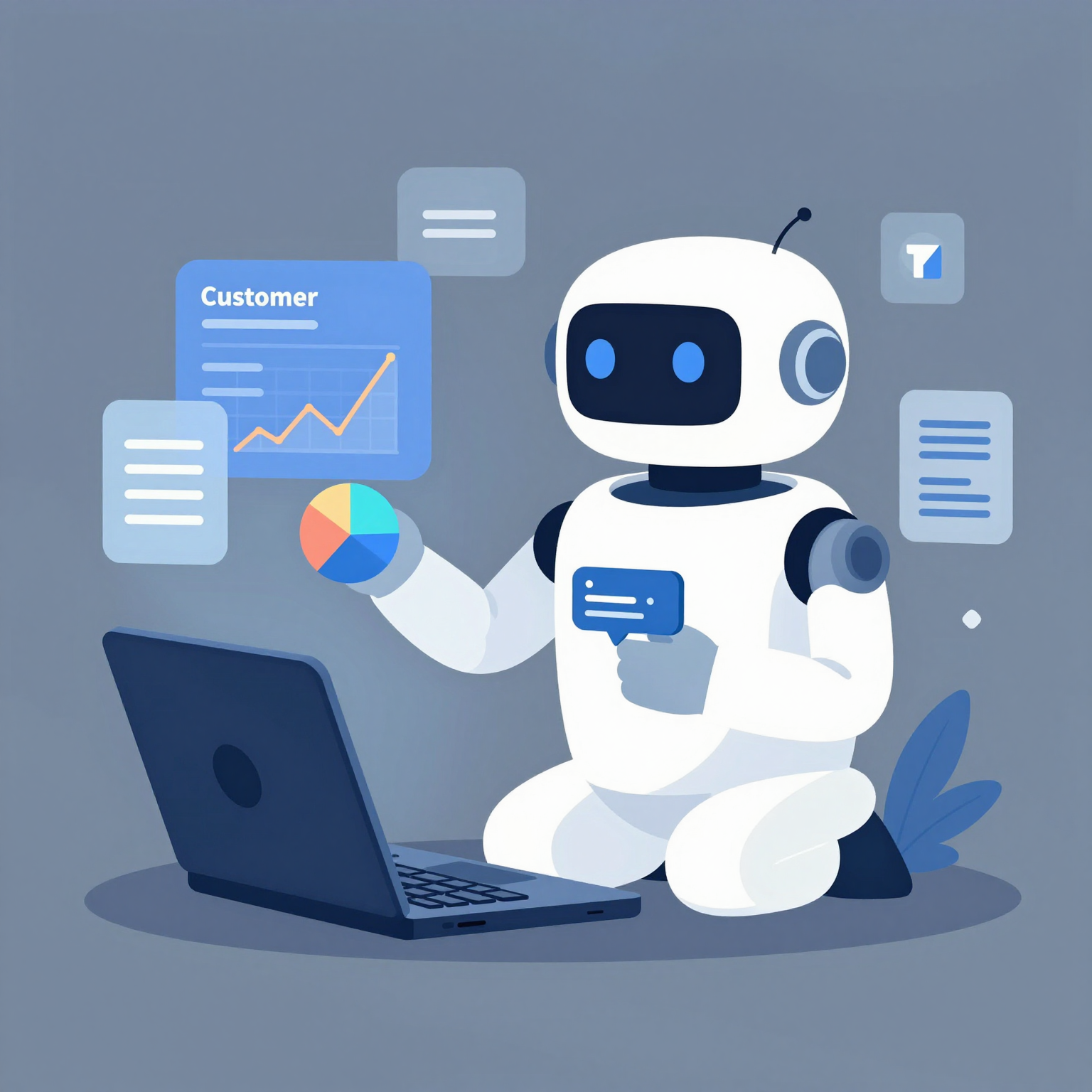
- AI chatbots enhance customer service efficiency and engagement.
- They operate 24/7, providing consistent support and improving response times.
- Businesses can reduce operational costs and scale customer service with chatbots.
- Effective chatbot implementation requires understanding business needs and user interactions.
- Future trends include voice-enabled bots and emotionally intelligent AI.
Table of Contents
Introduction
In today’s digital age, AI chatbots have become an essential component for businesses aiming to enhance customer service efficiency and engagement. With the rising volume of customer inquiries and the demand for round-the-clock support, businesses need support bots that can handle routine questions swiftly and accurately. These intelligent bots reduce pressure on human agents, improve response times, and elevate overall customer satisfaction.
Globally, industries ranging from e-commerce to healthcare and banking are adopting AI chatbots to meet customer expectations for quick, reliable assistance. India’s booming digital economy further accelerates this trend, with startups and established enterprises keen to leverage AI-driven support bots. This article explores why businesses need support bots, highlights impactful chatbot case studies, and discusses how AI chatbot solutions like Fits AI seamlessly integrate into diverse business models.
Ready to unlock the power of AI chatbots for your business? Let’s dive in!
Why Businesses Need Support Bots

Businesses today are overwhelmed by customer service demands. Often, human support teams find themselves swamped with repetitive inquiries, leading to delays and frustrated customers. This is where support bots step in, offering several benefits:
- 24/7 Availability: Unlike human agents, chatbots never sleep. They provide uninterrupted service, assisting customers regardless of time zones.
- Handling Routine Queries: Chatbots efficiently manage FAQs, order tracking, and scheduling, freeing human agents to tackle complex issues.
- Cost-Effective: Automating support reduces staffing costs and minimizes the need for extensive human teams.
- Consistency and Accuracy: Bots deliver reliable responses based on pre-loaded information, reducing errors caused by human fatigue or misinformation.
- Customization for Industries: Whether you’re in retail, finance, or healthcare, chatbots can be trained on industry-specific data to provide relevant answers.
For businesses struggling with scalability and customer engagement, adopting AI chatbots is no longer optional—it’s necessary for staying competitive.
How AI Chatbots Work: A Closer Look
AI chatbots utilize advanced technologies such as Natural Language Processing (NLP) and Machine Learning (ML) to understand and respond to user queries naturally and contextually. Here’s how they generally operate:
| Feature | Description |
|---|---|
| Natural Language Processing | Enables bots to interpret and answer user input in conversational language. |
| Sentiment Analysis | Detects user emotions to tailor responses appropriately. |
| Learning Capability | AI chatbots improve over time by learning from past interactions. |
| Integration | Can sync with CRM, ERP, and knowledge bases for real-time data access. |
| Multichannel Support | Operate across websites, social media, messaging apps, and mobile platforms. |
These technologies allow chatbots not only to respond accurately but also personalize interactions, creating a seamless customer experience.
Sharing Chatbot Case Studies Across Industries
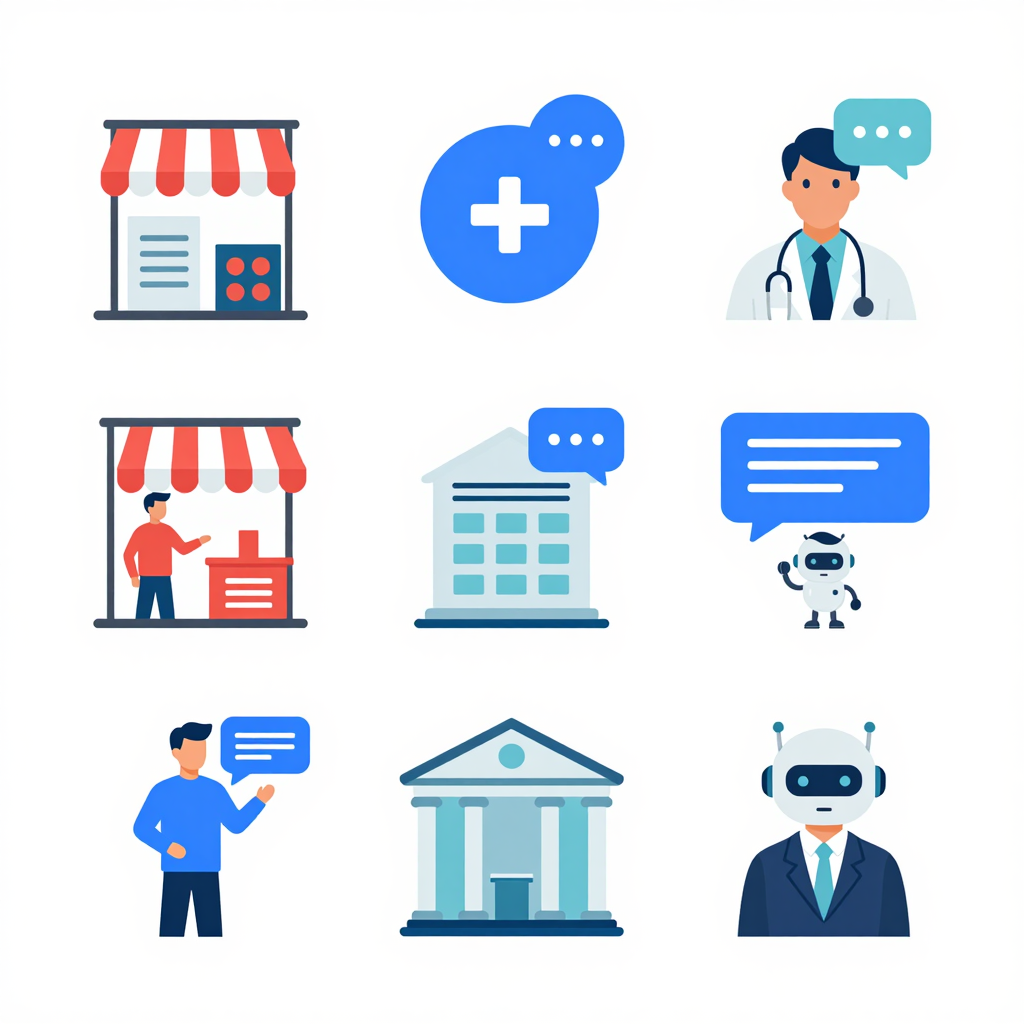
The effectiveness of AI chatbots is best showcased through real-world examples. Here are a few notable case studies demonstrating how businesses benefited from integrating support bots:
E-commerce: Reducing Cart Abandonment
An international fashion retailer implemented a chatbot to assist shoppers instantly with size questions and inventory checks. This led to a 30% decrease in cart abandonment rates and a smoother checkout process.
Banking: Automating Customer Queries
A leading bank deployed an AI chatbot to handle routine questions about account balances, transaction status, and loan eligibility. This freed up 40% of their call center capacity, allowing human agents to focus on more complex services.
Healthcare: Appointment Scheduling and FAQs
A prominent healthcare provider integrated a chatbot to manage appointment bookings and answer common patient inquiries about symptoms and protocols. The bot handled over 20,000 interactions monthly, reducing wait times and improving patient satisfaction.
These case studies attest to the tangible ROI businesses experience with chatbot adoption, from operational cost savings to enhanced customer retention.
Step-by-Step Guide to Implementing AI Chatbots
Ready to incorporate AI chatbots into your business? Here’s a practical roadmap to follow:
- Identify Business Needs: Pinpoint areas where chatbots can add value—customer service, sales, or internal helpdesks.
- Choose the Right Platform: Evaluate chatbot providers based on features, integrations, customization options, and scalability.
- Train Your Bot: Use historical customer data and FAQs to train your chatbot’s AI for domain-specific knowledge.
- Integrate with Systems: Connect the chatbot to your CRM, inventory systems, or knowledge bases for real-time information flow.
- Pilot Test: Launch a controlled pilot to gather user feedback and identify areas for improvement.
- Optimize and Expand: Continuously track chatbot performance metrics and retrain AI as needed. Gradually extend chatbot capabilities.
- Promote Usage: Educate customers and staff about the chatbot to encourage interaction and maximize benefits.
Following these steps ensures a smooth and effective chatbot deployment, tailored to your business’s unique challenges.
Benefits and Best Practices for Businesses
Utilizing AI chatbots brings numerous advantages. Here are key benefits and tips to maximize their impact:
- Improved Customer Satisfaction: Quick and accurate responses enhance user experience.
- Increased Efficiency: Automation reduces response times and operational overhead.
- Scalability: Chatbots can handle growing volumes of inquiries without additional costs.
- Personalization: AI enables tailored conversations based on user history and preferences.
- Data Insights: Chatbots generate valuable analytics on customer behavior and common pain points.
Best Practices:
- Maintain a clear escalation path to human agents for complex queries.
- Regularly update chatbot knowledge bases to keep information current.
- Use a conversational tone and natural language for better engagement.
- Monitor chatbot logs and feedback to identify improvement opportunities.
Future Trends in AI Chatbots for Business
Looking ahead, AI chatbots will continue evolving with advancements in AI research and technology. Key future trends include:
- Voice-Enabled Chatbots: Integrating voice recognition to support spoken interactions.
- Hyper-Personalization: Leveraging deeper user data to create highly customized experiences.
- Emotionally Intelligent Bots: Enhanced sentiment sensing to react empathetically.
- AI and Human Collaboration: Blurring lines where bots and support agents work seamlessly together.
- Industry-Specific Solutions: More specialized bots for sectors like legal, education, and real estate.
The future promises that chatbots will not only assist but proactively engage customers, driving loyalty and business growth.
Conclusion
The message is clear: businesses need support bots to keep pace with customer expectations and operational demands. AI chatbots deliver unmatched efficiency, personalized service, and scalability. Real-world case studies from e-commerce, banking, and healthcare prove their value and ROI. By choosing adaptable solutions like Fits AI, companies across industries can tailor chatbots to their unique needs and achieve transformative results.
If you’re ready to elevate your customer support with AI chatbots, contact us today! Our expert team will guide you through implementation, ensuring you harness the full power of AI for your business success.
FAQ
Q1: Can AI chatbots handle complex customer queries?
A: While chatbots excel at routine questions, complex or emotional issues should be escalated to human agents for personalized attention.
Q2: How much does it cost to implement an AI chatbot?
A: Costs vary depending on customization, integration, and scale but are generally lower than expanding human support teams significantly.
Q3: Are AI chatbots secure for handling sensitive data?
A: Yes, reputable chatbot solutions comply with data protection regulations and use encryption to safeguard customer information.
Q4: Can chatbots work across multiple platforms?
A: Modern AI chatbots support multichannel deployments, including websites, social media, and messaging apps, ensuring a seamless customer experience.
Recent Blog

Build a Multi-Vendor Marketplace for Startup Success
Build Your Own Multi-Vendor Marketplace Like Amazon: A Startup’s Guide…
How AI Chatbots Improve Customer Support and Sales
How AI Chatbots Improve Customer Support & Sales: Unlocking the…
10 Signs Your SME Needs Custom Software Now
10 Signs Your Business Needs a Custom Software Solution Estimated…