:
:  :
:  CUBICLES CODERS PVT LTD
One Page vs Full Website: Best Structure for Your Business
One Page Website vs Full Website: What Works?
Estimated reading time: 8 minutes
Key Takeaways
- Minimal websites enhance user engagement and loading speed.
- One-page sites are ideal for focused campaigns and narratives.
- Full websites support diverse content and complex structures.
- Choosing the right website structure depends on business goals and audience needs.
- Future trends include hybrid designs and increased personalization.
Table of Contents
Introduction
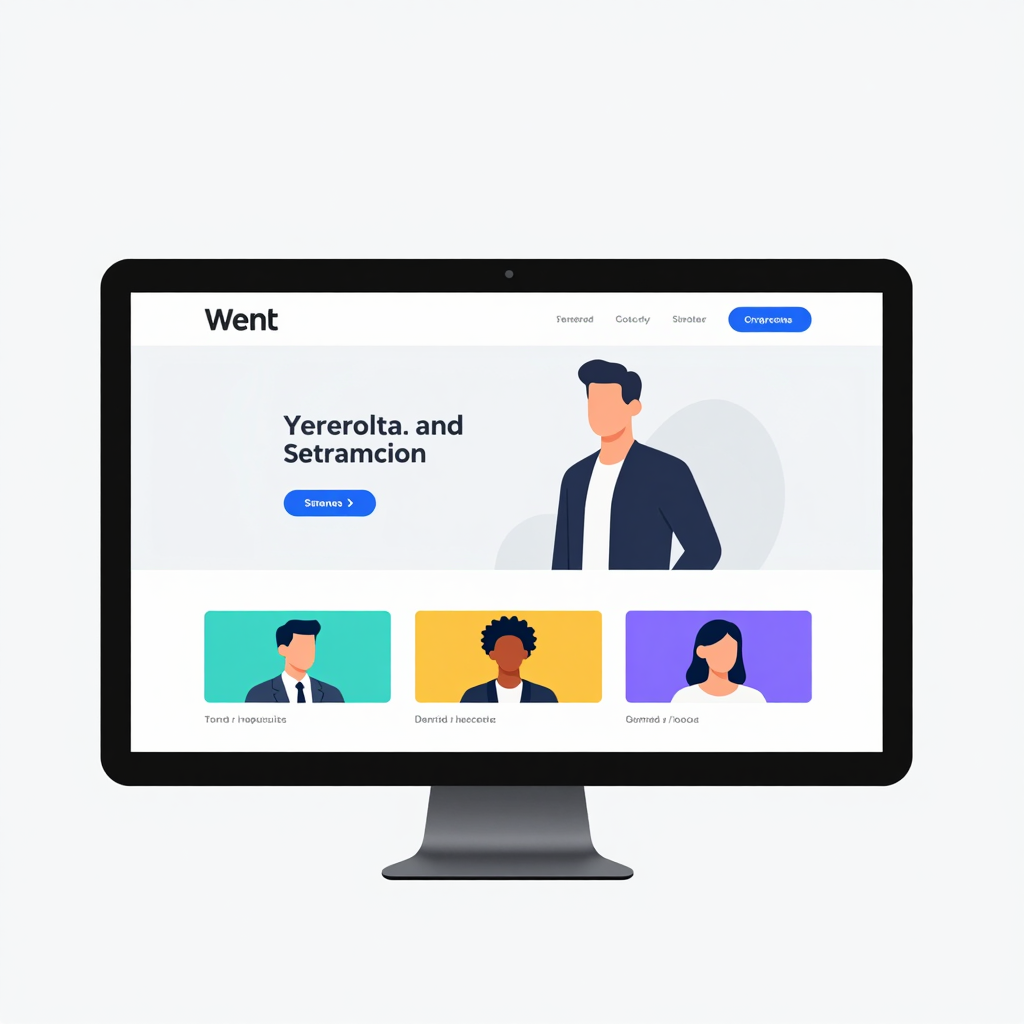
In an era where first impressions matter digitally, choosing the right website structure is crucial for business success. The debate between One Page Website vs Full Website: What Works? has gained traction as more entrepreneurs and companies weigh the benefits of minimalism and comprehensive online presences. Minimal websites are gaining popularity globally because they offer speed, clarity, and ease of navigation, aligning well with modern user behavior.
From startups in India to established firms worldwide, this choice impacts user engagement, SEO performance, and conversion rates. This article will unpack the realities behind both website styles, spotlighting their benefits, ideal use cases, and how to optimize your site for sales effectively. Whether you’re launching a product or expanding your brand, read on to find a clear direction for your digital strategy.
The Rise of Minimal Websites
Minimalism in website design isn’t just a trend—it’s a response to shifting user expectations. Research shows that users decide within seconds whether to stay or leave a website, meaning slow, cluttered designs can drastically increase bounce rates. Minimal websites strip away unnecessary elements, focusing on essential messaging and streamlined navigation.
The appeal grows as mobile traffic dominates; minimal sites typically load faster and perform better across devices. Moreover, these sites often require less maintenance, making them a favorite for freelancers, small businesses, and event organizers who want a professional edge without complexity.
Statistics highlight that minimalistic pages can improve user engagement by up to 40%, underscoring the strategic advantages they bring to digital marketing efforts. However, the choice between minimalism and depth ultimately depends on business goals and content needs.
One Page Website: What Works?
Benefits
- Simplicity and Speed: Everything essential is presented on a single scrollable page, enhancing user engagement by eliminating clicks.
- Mobile Friendly: The compact nature makes navigation on smartphones and tablets seamless.
- Cost-Effective: Designing a one-page site is quicker and cheaper, a boon for startups and creatives on a budget.
- Storytelling Flow: Perfect for conveying a linear story or journey, such as for portfolios, events, or product launches.
Ideal Use Cases
- Personal portfolios showcasing work samples and bios
- Event promotions requiring focused attention on date, venue, and registration
- Product launches or single-product landing pages emphasizing one clear CTA
- Small businesses with limited service offerings or simple brand messaging
One-page websites shine where focus and immediacy overshadow breadth. They guide visitors through a compelling narrative without distractions, which can significantly boost conversions for the right projects.
Full Website: What Works?
Benefits
- Comprehensive Information: Multiple pages allow deeper content organization, supporting SEO strategies with targeted keywords.
- Scalability: As your business grows, adding new pages is straightforward without redesigning the entire framework.
- SEO Advantages: More indexed pages improve search visibility and attract broader traffic segments.
- Advanced Features: Supports blogs, e-commerce stores, customer portals, and complex functionalities like booking systems or membership areas.
Ideal Use Cases
- E-commerce stores offering extensive product catalogs
- Service-based businesses with diverse offerings requiring detailed descriptions
- News, media, or blog platforms with frequent content updates
- Educational institutions or informational sites needing organized resource hubs
Full websites provide depth and versatility—ideal when your content requires separation, detailed storytelling, or varied conversion funnels.
Sell-Optimized Structures: What to Choose?
When selling products or services online, choosing the right website architecture can make or break conversions.
- One Page Website: Best if your goal is to generate one specific action, such as event registration, newsletter sign-up, or selling a single product. The linear journey reduces friction for the buyer’s decision.
- Full Website: Preferable if your offering is complex or extensive. For example, an e-commerce site with multiple categories benefits from a multi-page layout that organizes products clearly and builds trust with testimonials, FAQs, and about pages.
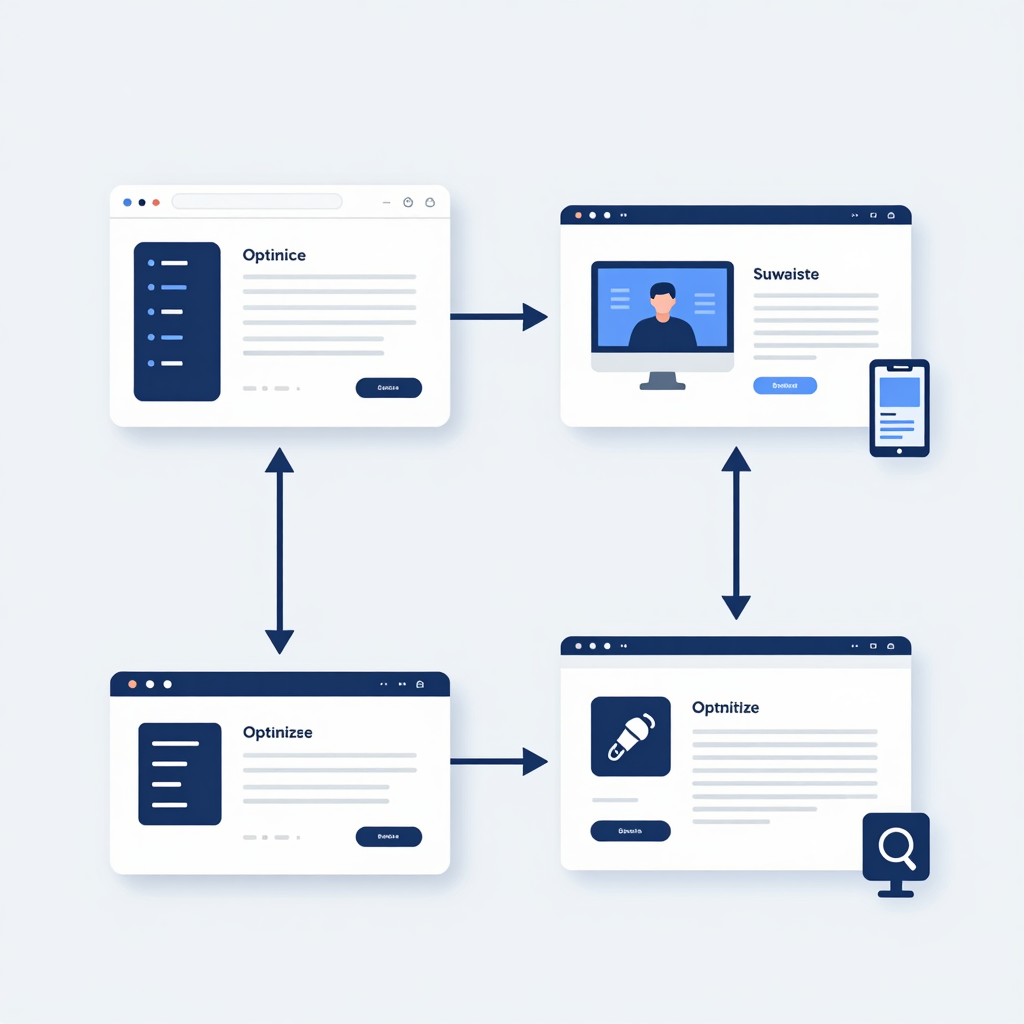
Optimizing your website structure for sales involves ensuring intuitive navigation, clear CTAs on every page (or section for one-page sites), and fast loading times. Analytics tools can further refine what works by tracking user behavior across the structure you choose.
Step-by-Step Guide to Choosing Your Website Structure
- Identify Your Primary Goal: Is it brand awareness, direct sales, or information dissemination?
- Audit Your Content Needs: List the number of products/services and related content.
- Consider Your Audience: Mobile users might prefer minimalism; research-heavy audiences might want full sites.
- Plan Your SEO Strategy: Multi-page sites are better for keyword variety.
- Evaluate Budget and Timeline: One-page sites are generally cheaper and faster to build.
- Think Long-Term: Will your website have room to grow or require frequent updates?
- Map User Journeys: Decide how visitors will navigate and convert.
- Test and Iterate: Use A/B testing to refine your structure post-launch.
Real Examples of Each
- One Page Website: A graphic designer’s portfolio with scrollable sections highlighting about, skills, projects, and contact.
- Full Website: An online retailer with categorized product pages, blog, FAQs, and customer service portals.
- Hybrid Approach: Some companies use a landing page for immediate campaigns linked to a full website for in-depth browsing.
Each reflects different business models and audience expectations, proving that the ideal website is context-driven.
Future Trends in Website Structures
- Hybrid Designs: Combining the best of both worlds, using minimal landing pages with linked deep content.
- Increased Personalization: AI-driven content adapting layouts dynamically based on user preferences.
- Voice-Activated Navigation: Especially important for minimal sites to facilitate intuitive interface.
- Progressive Web Apps (PWAs): Enhancing speed and offline usability, favoring simpler structures.
- Sustainability Focus: Minimal sites use less bandwidth and energy, aligning with eco-conscious brands.
Being aware of these trends helps future-proof your website choice.
Conclusion
So, One Page Website vs Full Website: What Works? The answer hinges on your goals, content volume, and desired user experience. Minimal websites excel in delivering fast, focused messaging—ideal for portfolios, events, and simple sales funnels. Full websites provide scalability, depth, and SEO power necessary for complex offerings and growing businesses.
Ask yourself critical questions about your products, audience needs, and growth plans. The right choice will boost engagement, streamline conversions, and ultimately increase revenue.
If you want a custom recommendation or need a sell-optimized website structure, contact us today!
FAQ
Can a one-page website rank well on Google?
Yes, if optimized properly with targeted keywords and fast loading times, but it’s usually more limited than multi-page sites for ranking diverse terms.
How much does it cost to build a one-page vs a full website?
One-page sites typically cost less due to simpler design and development processes; full sites require more time and resources.
Are one-page websites suitable for e-commerce?
Generally no; e-commerce benefits from multiple pages to organize products, filters, and customer support.
Can I start with a one-page website and later expand?
Yes, but it requires strategic planning to ensure the design can scale well without major overhaul.
How does website structure impact user experience?
Structure dictates navigation ease, content absorption, and conversion paths—directly influencing satisfaction and sales.
Recent Blog

Why AI Automation is Essential for Business Growth in 2026
Why Every Business Needs AI Automation in 2026: Unlocking Growth…

Digital Transformation in 2026: Key Strategies for Success
The Complete Guide to Digital Transformation in 2026: Why It…
Building Future-Ready Applications with Emerging Technologies
Building Future-Ready Applications with Emerging Technologies: A Roadmap for Innovation…