:
:  :
:  CUBICLES CODERS PVT LTD
Omnichannel Selling with Website, WhatsApp & Instagram
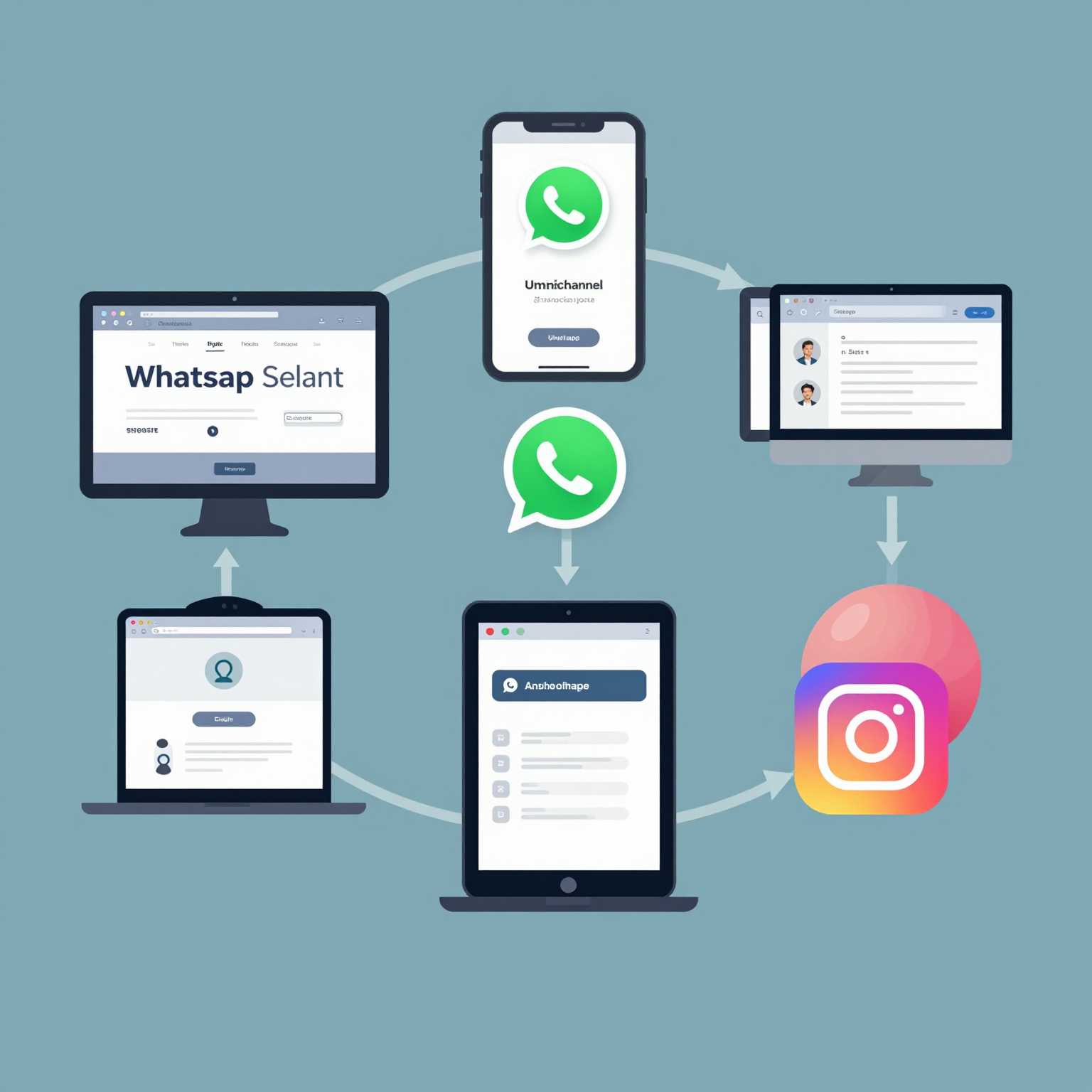
Omnichannel Selling: Website + WhatsApp + Instagram – The Future of Multi-Channel Selling with a Funnel Breakdown Strategy
Estimated reading time: 12 minutes
Key Takeaways
- Omnichannel selling is essential for creating a seamless customer experience across various platforms.
- Integrating channels like websites, WhatsApp, and Instagram enhances customer engagement and increases conversion rates.
- A structured funnel breakdown strategy helps in understanding customer journeys effectively.
- Full system integration allows for better data management and more personalized marketing.
- Brands need to continuously adapt to technological advances and changing consumer behaviors to stay competitive.
Table of Contents
Introduction
In today’s rapidly evolving digital marketplace, Omnichannel Selling: Website + WhatsApp + Instagram is no longer just a trend but a necessity for businesses aiming to stay ahead. Customers now expect a seamless and personalized shopping experience across all touchpoints, whether it’s browsing a website, chatting on WhatsApp, or engaging with brands on Instagram. This integrated approach to selling allows companies to connect, engage, and convert customers more effectively.
Multi-channel selling is the future, especially with the increasing reliance on mobile and social shopping. Combining the power of a centralized website with the interactive capabilities of WhatsApp and Instagram lets brands craft an end-to-end customer journey that’s intuitive and compelling.
This article delves deep into a proven funnel breakdown strategy and promotes full system integration to maximize brand visibility, optimize workflows, and boost sales performance. Whether you’re a startup or a well-established business, leveraging this full ecosystem can transform your approach to customer engagement and retention — globally, including in rapidly digitalizing markets like India.
Ready to unlock the full potential of your sales channels? Let’s explore how to master omnichannel selling with Website, WhatsApp, and Instagram.
Why Omnichannel Selling?
The days of single-channel selling are behind us. Customers now interact with brands across multiple devices and platforms throughout their buying journeys. Here’s why omnichannel selling is essential:
- Customer Expectations: Buyers want a smooth, consistent experience across all platforms. Switching from a website to a WhatsApp chat or Instagram DM should feel natural and effortless.
- Diverse Preferences: Some people prefer browsing products on a website, while others enjoy quick replies on WhatsApp or engaging with social posts on Instagram.
- Increased Engagement: Omnichannel strategies expand brand reach and deepen customer interaction, leading to higher conversion rates.
- Data-Driven Personalization: Integrated platforms give access to unified customer data, enabling more accurate targeting and customization.
With consumers using multiple platforms simultaneously, omnichannel selling isn’t just optional — it’s critical for survival and growth.
Multi-Channel Selling Is the Future
Why is multi-channel selling dominating today’s digital commerce landscape?
- Customer Behavior Shifts: Modern consumers expect instant, personalized communication at their fingertips. They bounce between platforms before making a purchase decision.
- Technological Advances: Powerful tools like APIs, CRM software, chatbots, and automation enable seamless integration between channels.
- Competitive Advantage: Brands that offer a consistent omnichannel presence significantly improve customer loyalty and lifetime value.
Consider this: According to recent studies, companies with effective omnichannel strategies retain up to 89% of their customers, compared to 33% for those with weak or no omnichannel approach.
In essence, a comprehensive multi-channel system is no longer a luxury but a prerequisite for brands aiming to thrive well into the future.
Funnel Breakdown Strategy
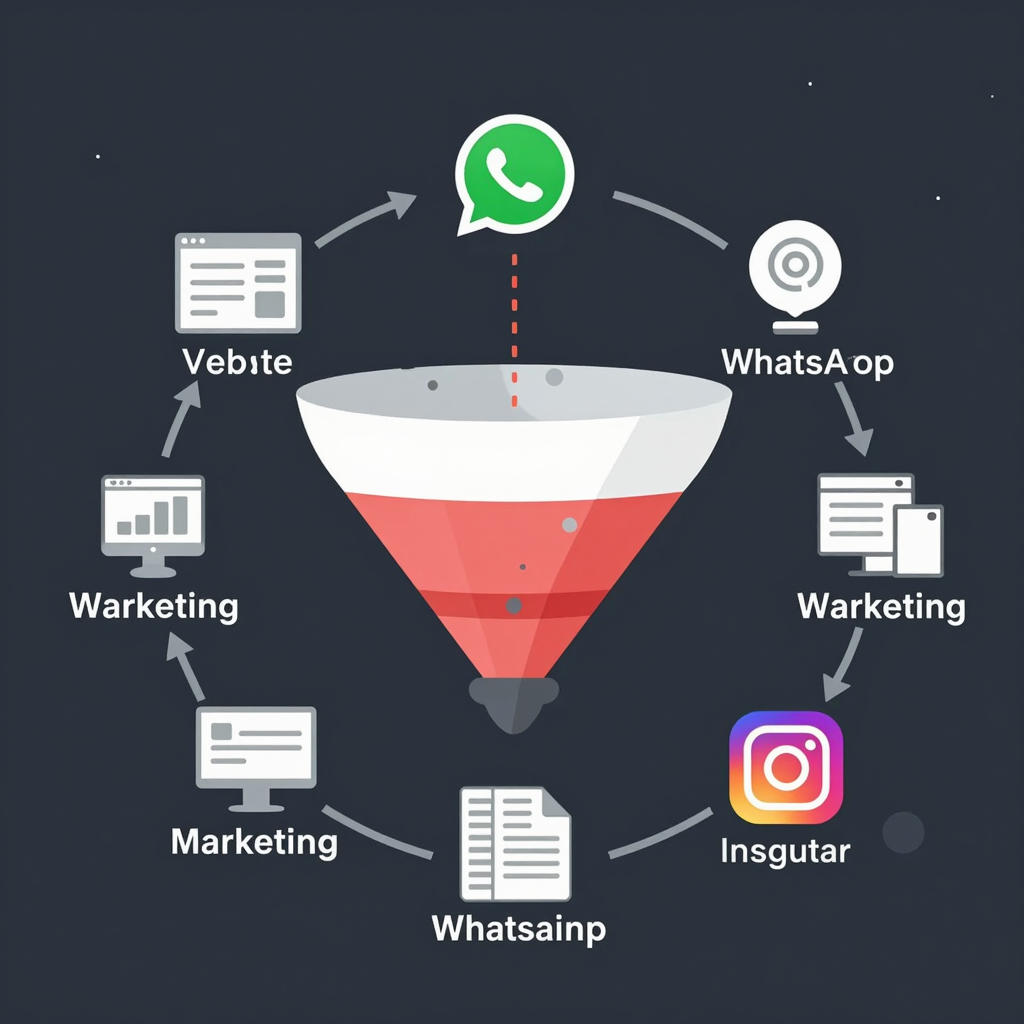
A successful omnichannel selling strategy requires knowing what role each channel plays at every stage of your sales funnel.
| Stage | Goal | Website | ||
|---|---|---|---|---|
| Awareness | Attract and introduce your brand | SEO blogs, homepage promotions | Broadcast updates, news | Posts, Reels, influencer content |
| Interest | Engage and educate potential buyers | Detailed product descriptions, FAQ | Personalized messages, quick answers | Stories, polls, interactive stickers |
| Consideration | Support decision-making | Comparison guides, testimonials | Live chat, consultations | Product tags, live shopping |
| Conversion | Seal the deal | Secure checkout | Order confirmations, support | “Buy now” buttons, shop swipes |
| Retention | Post-sale engagement and upselling | Account management, newsletters | Follow-ups, satisfaction surveys | Direct messages, user-generated content |
This logical flow ensures each platform delivers targeted content and interactions tailored to the customer’s stage in the buying process.
Promoting Full System Integration
Omnichannel success hinges on integrating all your sales tools into one cohesive system:
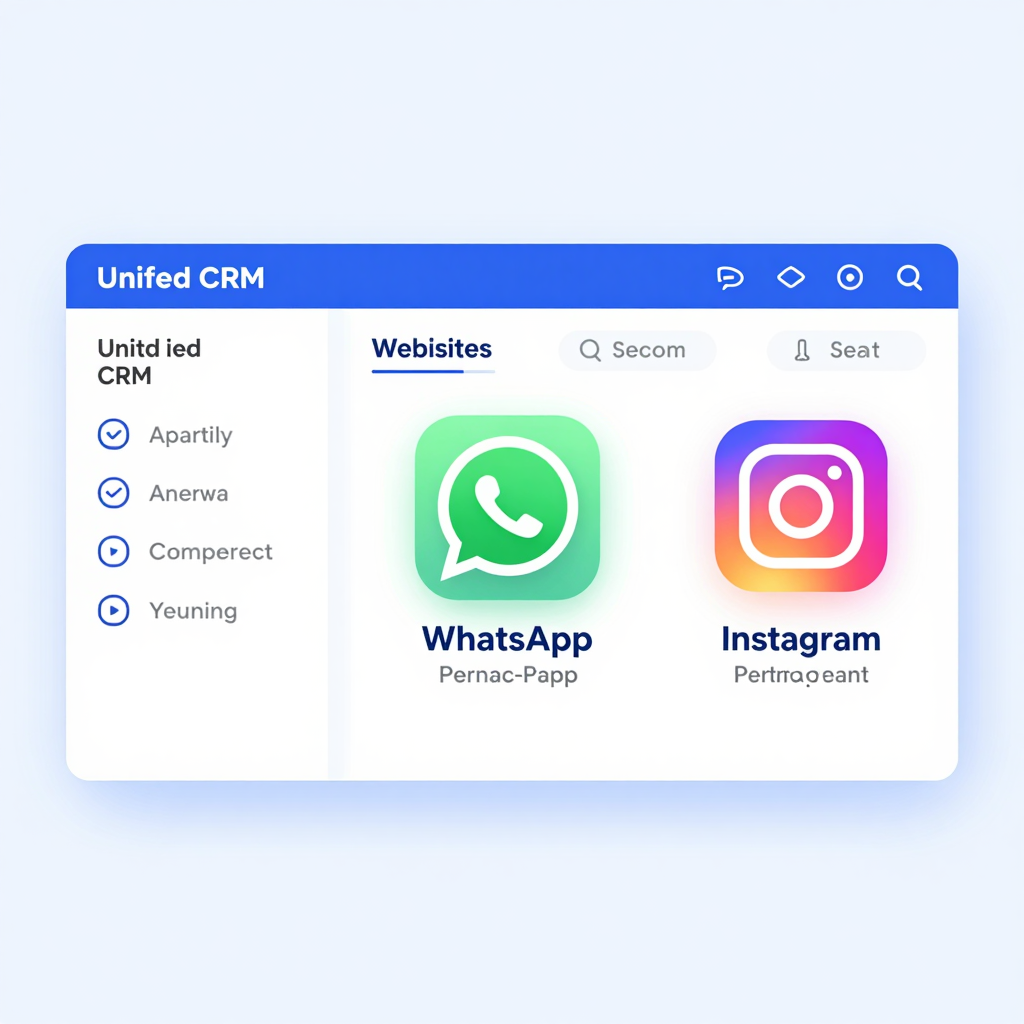
- Unified CRM: Consolidate website form entries, WhatsApp conversations, and Instagram interactions into a single customer database. This centralization allows for better insights and personalized marketing.
- Automation: Automatic triggers can improve efficiency — think cart abandonment emails initiated by your website, followed by WhatsApp reminders and Instagram remarketing ads.
- Consistent Branding: Ensure your tone, offers, and visuals synchronize across all channels to foster trust and recognition.
- Cross-Promotion: Use your website to encourage WhatsApp support chats; highlight Instagram shop collections on your site; and share website-exclusive offers on your WhatsApp broadcast.
- Analytics and Optimization: With integrated dashboards tracking every platform, analyze which strategies are driving conversions and tweak your approach accordingly.
Effective integration turns disconnected selling points into a powerful, customer-centric ecosystem.
Implementation Tips for Omnichannel Success
Ready to build or enhance your omnichannel setup? Here are practical action steps:
- Leverage Tools: Use WhatsApp Business API for automated messaging, Facebook Shops and Instagram Shopping to facilitate social commerce, and robust CMS/CRM platforms for data centralization.
- Keep Content Fresh: Regularly update your website blogs, product pages, and social posts with new offers and engaging storytelling.
- Train Your Teams: Ensure sales and support staff understand how to operate on multiple channels and provide consistent, high-quality service.
- Gather Feedback: Frequently collect and analyze customer input to refine your omnichannel experience.
- Experiment with Formats: Use varied Instagram formats (Reels, Stories, Live) and WhatsApp message templates to find what resonates best.
- Monitor Metrics: Track KPIs such as engagement rate, bounce rate, response time, and conversion rates across channels.
- Focus on Mobile Optimization: Make sure your website and messages are mobile-friendly, as many users interact mainly via smartphones.
- Maintain Alignment: Align marketing campaigns and promotional schedules to deliver a unified brand message throughout.
Real-World Examples of Omnichannel Selling
- Fashion Retailer: A fashion brand uses Instagram for influencer partnerships and shoppable posts, drives traffic to their website for detailed product info and checkout, and follows up on WhatsApp for personalized fitting advice and order support.
- Health & Wellness: A supplement company publishes educational blogs on their website, uses Instagram Stories for testimonials and live Q&A sessions, and handles customer queries and subscriptions through WhatsApp.
- Tech Gadgets: A startup integrates website product launch announcements, Instagram teaser videos, and WhatsApp exclusive discount notifications — creating a buzz and boosting conversion rates rapidly.
- Local Restaurant: Uses a website menu and reservation system, Instagram food photos and specials, and WhatsApp for direct table bookings and order confirmations.
- E-Learning Platform: Offers course previews via website, Instagram live tutorials for engagement, and personalized WhatsApp reminders for class schedules and support.
These diverse examples illustrate omnichannel selling’s universal adaptability across industries.
Future Trends in Multi-Channel Selling
Looking ahead, several trends will shape the omnichannel landscape:
- AI-Powered Personalization: Advanced AI will offer hyper-personalized product recommendations and customer support.
- Augmented Reality (AR): Instagram and websites will increasingly offer AR try-on features.
- Voice Commerce: Integration with voice assistants like Alexa will open new sales channels.
- Deeper Platform Integration: Expect more seamless capabilities linking e-commerce platforms with social and messaging apps.
- Sustainability Marketing: Brands will use omnichannel storytelling to highlight eco-friendly practices and appeal to conscious consumers.
Businesses ready to adapt and innovate in their omnichannel strategies will be best positioned to capture market share and foster loyal customer communities.
Conclusion
To thrive in today’s digital landscape, Omnichannel Selling: Website + WhatsApp + Instagram is the cornerstone of sustainable growth. By implementing a well-structured funnel breakdown strategy and promoting full system integration, businesses can deliver exceptional customer experiences, boost engagement, and increase sales.
The future of multi-channel selling is here — are you ready to harness it? Start integrating your platforms today and watch your brand thrive across all customer touchpoints.
Contact us today! Let’s help you create a powerful omnichannel selling strategy tailored for your business.
FAQ
Q1: What is the difference between multi-channel and omnichannel selling?
Multi-channel selling uses multiple sales channels independently, while omnichannel integrates all channels for a seamless, cohesive customer journey.
Q2: Which platform should I prioritize in my omnichannel strategy?
Focus on your core platform (usually your website) complemented by high-engagement channels like WhatsApp and Instagram based on your audience’s preferences.
Q3: How can I automate messages on WhatsApp?
Use WhatsApp Business API combined with CRM tools to set automatic triggers based on customer actions or sales funnel stages.
Q4: Is Instagram shopping available worldwide?
Instagram Shopping is available in many countries but requires eligibility criteria, including being a business account and selling physical goods.
Q5: How do I measure the success of my omnichannel strategy?
Track KPIs like conversion rate, customer retention, average order value, and customer satisfaction across all channels using integrated analytics dashboards.
Recent Blog

Why AI Automation is Essential for Business Growth in 2026
Why Every Business Needs AI Automation in 2026: Unlocking Growth…

Digital Transformation in 2026: Key Strategies for Success
The Complete Guide to Digital Transformation in 2026: Why It…
Building Future-Ready Applications with Emerging Technologies
Building Future-Ready Applications with Emerging Technologies: A Roadmap for Innovation…