:
:  :
:  CUBICLES CODERS PVT LTD
IPL Real-Time Score Apps Powering Millions of Live Fans
Real-Time Score Apps: How IPL Platforms Handle Millions of Users with Scalable Solutions
Estimated reading time: 8 minutes
Key Takeaways
- The Indian Premier League draws millions of fans who rely on real-time score updates.
- Scalable backend systems and cloud technology are essential to manage traffic surges during matches.
- Effective load balancing ensures a seamless user experience, reducing downtime and latency.
- Microservices architecture improves performance through isolated scaling of individual components.
- Future trends include edge computing, AI-driven predictions, and enhanced communication protocols.
Table of Contents

- Introduction
- The Challenge: High Traffic During IPL Matches
- Backend Systems Design for Real-Time Updates
- Cloud Hosting: Elastic Infrastructure for IPL Traffic
- Load Balancing: Distributing Traffic Efficiently
- Promoting Your Scalable Web & App Development Solutions
- Step-by-Step Guide to Build a Scalable Real-Time Score App
- Benefits & Tips for Maintaining High Performance
- Future Trends in Real-Time Sports Score Platforms
- FAQ
- Conclusion
Introduction
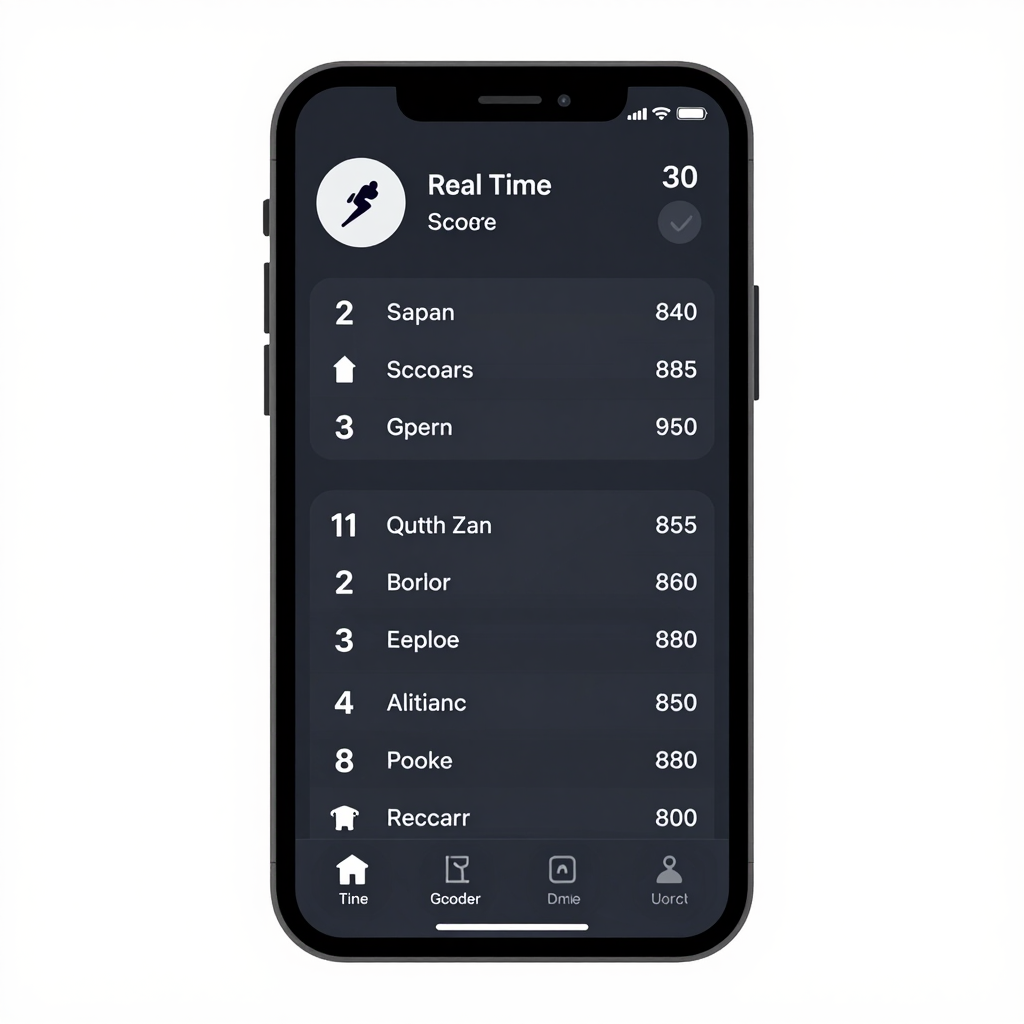
The Indian Premier League (IPL) consistently attracts millions of cricket fans worldwide, all eager to follow live scores, player stats, and match highlights in real-time. With such immense viewership, real-time score apps become a vital part of the IPL experience, powering instant updates and engaging millions simultaneously. But how do these platforms handle the massive traffic surges during peak match hours without crashing or slowing down? The answer lies in scalable backend systems, cloud hosting, and innovative load balancing techniques.
In this article, we explore how IPL platforms support millions of concurrent users with robust real-time score apps, maintaining low latency and flawless reliability. We’ll dive into backend design, the critical role of cloud infrastructure, and how effective load balancing keeps fans connected during nail-biting moments. If you’re a web or app developer looking to build scalable, efficient solutions, this guide will also show how to position your services in this high-demand niche.
With cricket’s global popularity growing, scalable real-time score platforms aren’t just a necessity for IPL—they’re a case study in managing large-scale user interactions with speed and precision.
The Challenge: High Traffic During IPL Matches

Handling millions of users streaming scores simultaneously presents unique challenges:
- Peak Loads: Traffic spikes exponentially during important matches or critical moments such as wickets or close finishes. Traffic can jump several times the normal baseline within seconds.
- Low Latency: To keep fans engaged, updates must be delivered instantly—delays of even a few seconds risk losing user interest or generating frustration.
- Reliability: Uninterrupted service is essential. Outages or slowdowns can cause user drop-off and damage brand trust.
With these pressures, IPL score platforms must architect solutions that scale seamlessly, deliver real-time data instantly, and remain fault tolerant throughout the game.
Backend Systems Design for Real-Time Updates
Designing backend architecture to support millions of users requires thoughtful planning focused on performance, scalability, and maintainability. Key components include:
Event-Driven Architecture
The backend must process live match events (ball-by-ball updates, player stats, notifications) in real-time. This is achieved via an event-driven system where each update triggers downstream processes instantly, ensuring data freshness.
Microservices
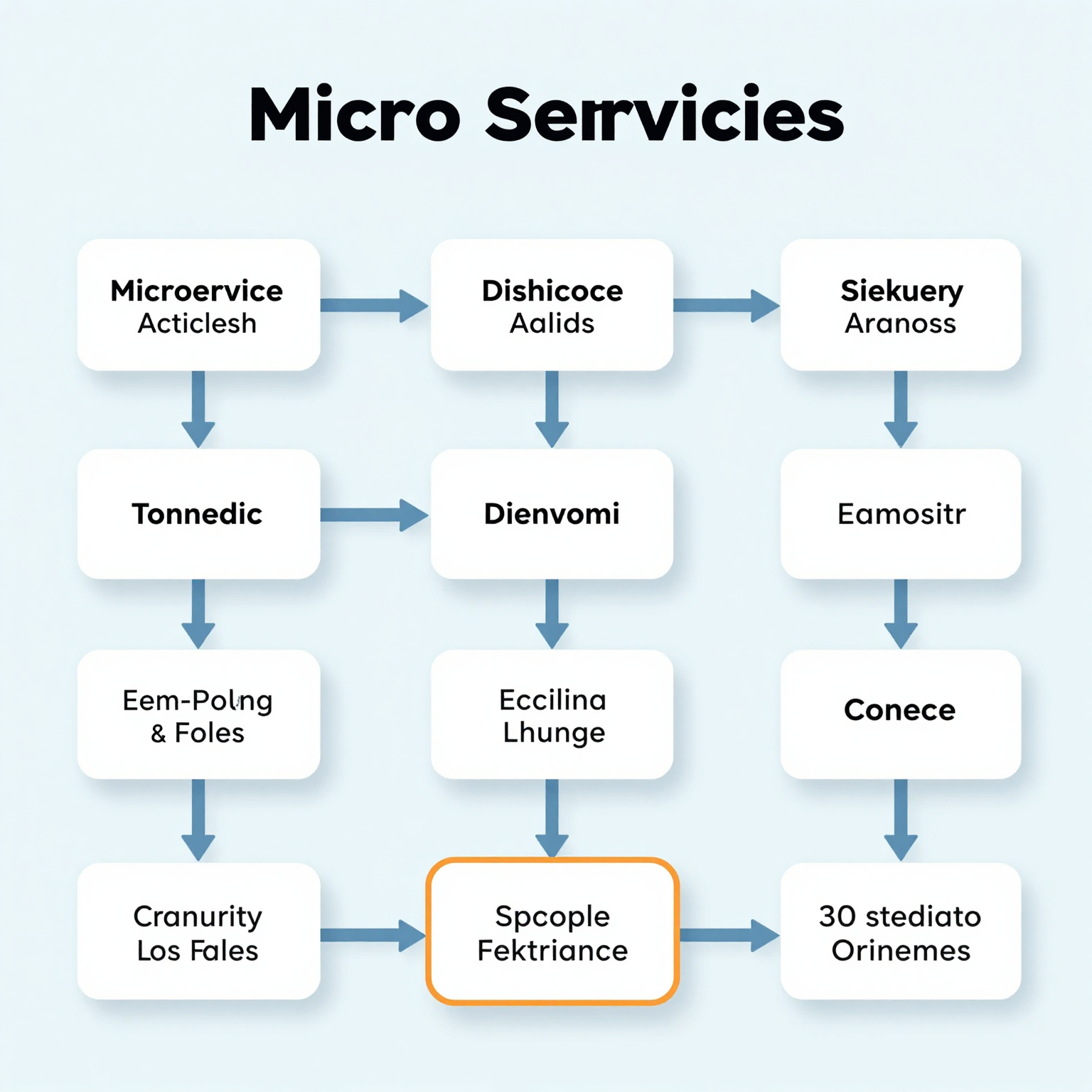
Breaking functionality into specialized microservices—for user sessions, score tracking, notifications, and analytics—allows isolated scaling and faster development. For example, if notification load spikes, only that microservice scales, without impacting the entire system.
In-Memory Databases and Caching
Caching frequently accessed data (like current scores or player info) in Redis or Memcached massively improves response times and reduces database load.
Message Queues
Using Kafka or RabbitMQ enables smooth communication between services and buffers massive bursts of real-time data without loss.
Real-Time Communication Protocols
WebSockets enable persistent connections for pushing live updates instantly to web and mobile clients, complemented by push notifications for mobile users when the app is in the background.
Cloud Hosting: Elastic Infrastructure for IPL Traffic
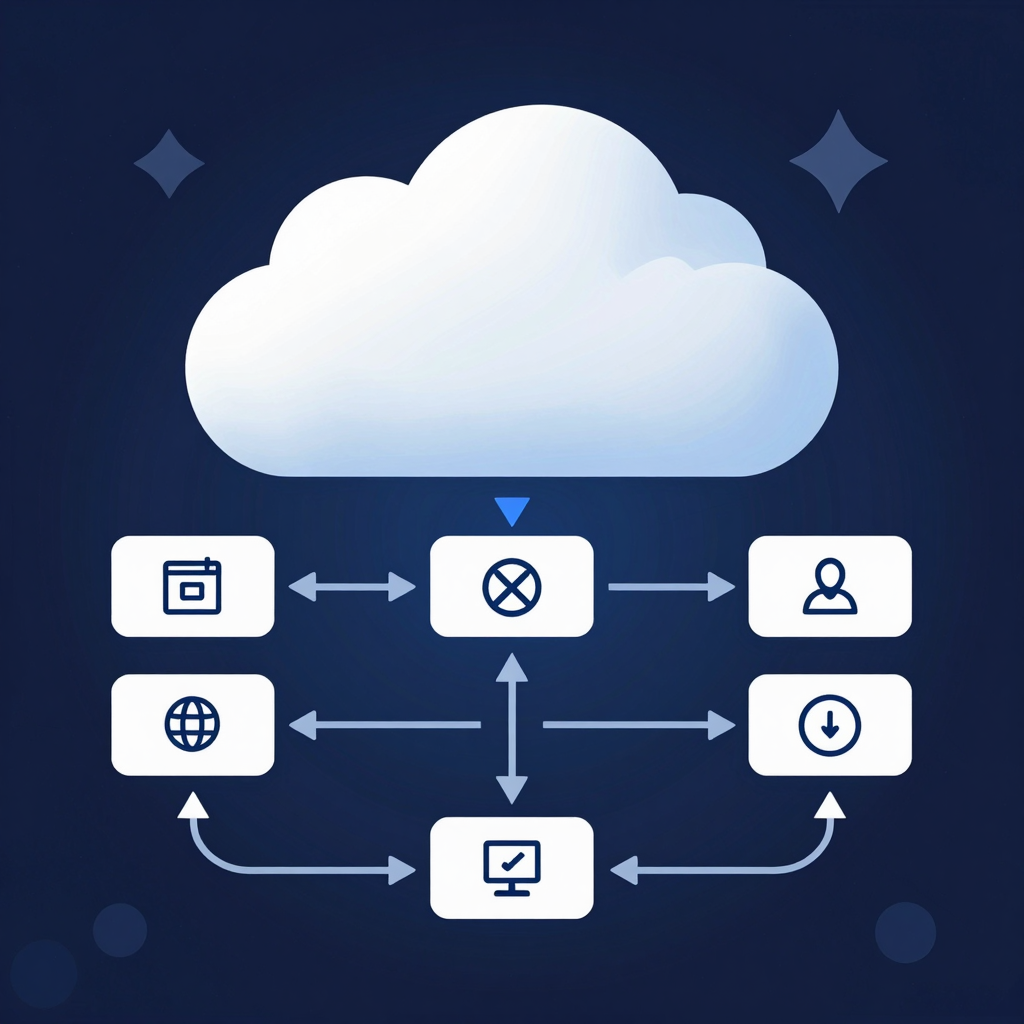
Cloud hosting underpins IPL score apps with flexible, on-demand resources tailored to meet changing demands:
Autoscaling
Cloud platforms like AWS, Google Cloud, and Azure offer automatic scaling that spins up additional servers during traffic surges, then scales down after peak periods, optimizing costs and performance.
Global Content Delivery Networks (CDN)
Using CDNs caches static content and reduces latency by delivering data from servers closest to users worldwide.
Managed Databases
Services such as Amazon RDS or Google Cloud SQL handle database scaling and replication transparently, providing high availability and quick read/write operations.
Containerization and Orchestration
Packaging microservices into containers using Docker and managing them with Kubernetes allows seamless deployment and high availability. Containers can be rapidly replicated across nodes during high load.
Load Balancing: Distributing Traffic Efficiently
Load balancing is key to distributing immense traffic across servers to avoid overload and ensure smooth user experience:
- Horizontal Scaling: By adding more backend service instances to handle incoming connections.
- Health Monitoring: Routinely checking servers’ health to avoid routing traffic to down or slow instances.
- Session Persistence: Keeping user sessions stable for a consistent real-time experience.
- SSL Termination: Offloading encryption tasks at load balancer level, reducing overhead on backend servers.
Popular tools include AWS Elastic Load Balancer (ELB), NGINX, and HAProxy, providing robust, customizable traffic management.
Promoting Your Scalable Web & App Development Solutions
If you provide web and app development services, highlighting your expertise in building scalable real-time apps can attract IPL platforms, sports broadcasters, and other high-traffic clients:
- Showcase Real-Time Expertise: Ability to develop event-driven systems with low latency for millions of users.
- Cloud-Native Skills: Proficiency with AWS, Azure, or Google Cloud autoscaling, managed databases, and container orchestration.
- Microservices Architecture: Emphasize modular, maintainable systems that allow efficient scaling.
- Performance Optimization: Discuss caching strategies, CDN integration, and load balancing techniques implemented.
- Security & Reliability: Provide assurances on 24/7 uptime, data security, and disaster recovery mechanisms.
Position yourself as a partner who can architect future-proof, scalable, and reliable real-time platforms—essential for major sporting events and beyond.
Step-by-Step Guide to Build a Scalable Real-Time Score App
- Define Requirements: Identify target concurrent users, update frequency, supported devices, and data streams.
- Design Modular Microservices: Separate score updates, user management, notifications, and analytics.
- Choose Cloud Infrastructure: Pick a cloud provider offering autoscaling, managed DBs, and global CDN.
- Implement Real-Time Protocols: Use WebSockets and push notifications for instant updates.
- Setup Caching Layers: Use Redis/Memcached for frequently accessed data.
- Integrate Message Queues: Use Kafka/RabbitMQ to handle event streams reliably.
- Deploy Containers: Use Docker and Kubernetes for scalable deployment and orchestration.
- Configure Load Balancers: Ensure traffic distribution, failover, SSL termination, and session persistence.
- Run Load Tests: Simulate millions of users to validate scalability and latency.
- Monitor & Optimize: Use dashboards to track performance, fix bottlenecks proactively.
Benefits & Tips for Maintaining High Performance
- Always prepare for peak traffic: Use autoscaling rules that react swiftly.
- Cache smartly: Avoid stale data but maximize hit ratio with TTL and invalidation strategies.
- Monitor latency continuously: Aim for millisecond-level update delivery.
- Distribute globally: Use multi-region deployments to reduce latency.
- Security-first approach: Use encryption, DDoS protection, and regular audits.
- User experience matters: Keep the UI responsive with gradual loading and offline support.
Future Trends in Real-Time Sports Score Platforms
- Edge Computing: Moving computation closer to users to reduce round-trip latency.
- AI-driven Load Prediction: Using machine learning to anticipate traffic surges and proactively scale resources.
- 5G and Beyond: Faster networks enabling richer content in real-time apps—like live video clips integrated with scores.
- Blockchain for Data Integrity: Ensuring tamper-proof sports data and transparent event logging.
- Cross-Platform Unified Apps: Seamless experience across web, mobile, and smart TVs, all reflecting live updates consistently.
FAQ
Q1: How do IPL platforms deliver updates in real-time to millions of users?
They use WebSocket connections for persistent data streams combined with event-driven microservices and in-memory caching to push live updates instantly.
Q2: Why is cloud hosting preferred for IPL score apps?
Cloud platforms offer elastic resources that can scale automatically during traffic spikes, reducing costs and improving reliability.
Q3: What is load balancing and why is it important?
Load balancing evenly distributes incoming traffic across multiple servers to prevent overload and ensure seamless user experience.
Q4: What development approach is best for scalability?
Microservices architecture with containerization and orchestration tools like Kubernetes is the industry best practice.
Q5: How can developers optimize app performance during IPL matches?
Implement caching, use CDNs, optimize database queries, and monitor system metrics continuously for proactive tuning.
Conclusion
In the high-stakes world of IPL cricket, real-time score apps face the daunting task of serving millions simultaneously with instant updates and zero downtime. By combining event-driven backend designs, cloud-native elastic infrastructure, and advanced load balancing methods, platforms provide fans with an unmatched live experience.
For developers and companies aiming to excel in this demanding niche, mastering microservices, leveraging cloud autoscaling, and optimizing for performance are non-negotiable. Your scalable web and app solutions can empower sports platforms, broadcasters, and live events worldwide to deliver speed, reliability, and engagement—contact us today to discuss your next scalable real-time project!
Recent Blog

Why AI Automation is Essential for Business Growth in 2026
Why Every Business Needs AI Automation in 2026: Unlocking Growth…

Digital Transformation in 2026: Key Strategies for Success
The Complete Guide to Digital Transformation in 2026: Why It…
Building Future-Ready Applications with Emerging Technologies
Building Future-Ready Applications with Emerging Technologies: A Roadmap for Innovation…