 :
:  :
: 


 CUBICLES CODERS PVT LTD
Is Dropshipping Still Profitable in 2026?
Is Dropshipping Still Profitable in 2026? Latest Market Insights

Estimated reading time: 7 minutes
Key Takeaways

- Dropshipping has evolved into a competitive market in 2026.
- Customer expectations now demand higher quality, faster shipping, and exceptional service.
- Niche specialization can lead to sustained profitability.
- Automation and technology are essential for operational efficiency.
- Ethical practices and sustainability influence consumer choices.
Table of Contents
- Introduction
- Current State of Dropshipping in 2026
- Profitability Factors in Dropshipping 2026
- Real-Life Dropshipping Success Stories 2026
- A Step-by-Step Guide to Building a Profitable Dropshipping Store in 2026
- Benefits and Practical Tips for Dropshipping Success in 2026
- Future Trends in Dropshipping to Watch
- Conclusion
- FAQ
Introduction
Is dropshipping still profitable in 2026? This question is on the minds of many aspiring and experienced e-commerce entrepreneurs worldwide, including India’s rapidly booming online market. Over the past few years, dropshipping evolved from a simple, low-barrier entry way to make money online into a mature, highly competitive arena demanding more strategic planning and execution. Today, the landscape reflects shifting consumer expectations, technological advancements, and new business realities.
In this article, we will dive deeply into the latest market insights to uncover how dropshipping operates in 2026, what factors influence its profitability, and how entrepreneurs can adapt and thrive. From increased competition and niche market opportunities to cutting-edge automation tools and growing ethical consumer trends, understanding these factors is crucial for anyone considering dropshipping as a business model in this dynamic global environment. Whether you are new to e-commerce or looking to revamp your existing dropshipping store, we’ll explore practical strategies and highlight examples that prove dropshipping can still be profitable — when done right.
Whether you target local or international customers, the evolving dropshipping landscape offers opportunities and challenges that, if navigated thoughtfully, can lead to sustainable success.
Current State of Dropshipping in 2026
Dropshipping in 2026 is no longer the low-barrier, “get-rich-quick” model many envisioned a decade ago. Let’s break down some core trends shaping the industry:
1. Increased Competition
The low entry barrier encouraged many entrepreneurs globally to start dropshipping stores. Now, with millions of online sellers active, competition is fierce, especially in general or popular niches like electronics, fashion, or beauty. Sellers face thinner profit margins due to price wars and saturated marketplaces.
2. Customer Expectations Have Shifted
Modern customers expect:
- Faster shipping times: Long delivery windows from overseas suppliers frustrate buyers.
- Higher product quality: Negative reviews due to poor-quality items hurt reputation.
- Exceptional customer service: Responsive support differentiates successful brands.
Meeting these demands often requires partnering with reliable local or regional suppliers.
3. Niche Specialization is Key
Successful dropshippers in 2026 focus on:
- Specialized or underserved niches.
- Products that command a premium due to uniqueness or quality.
- Markets where customers value expertise and branding over price alone.
General broad-market stores struggle, while niche brands build loyal followings.
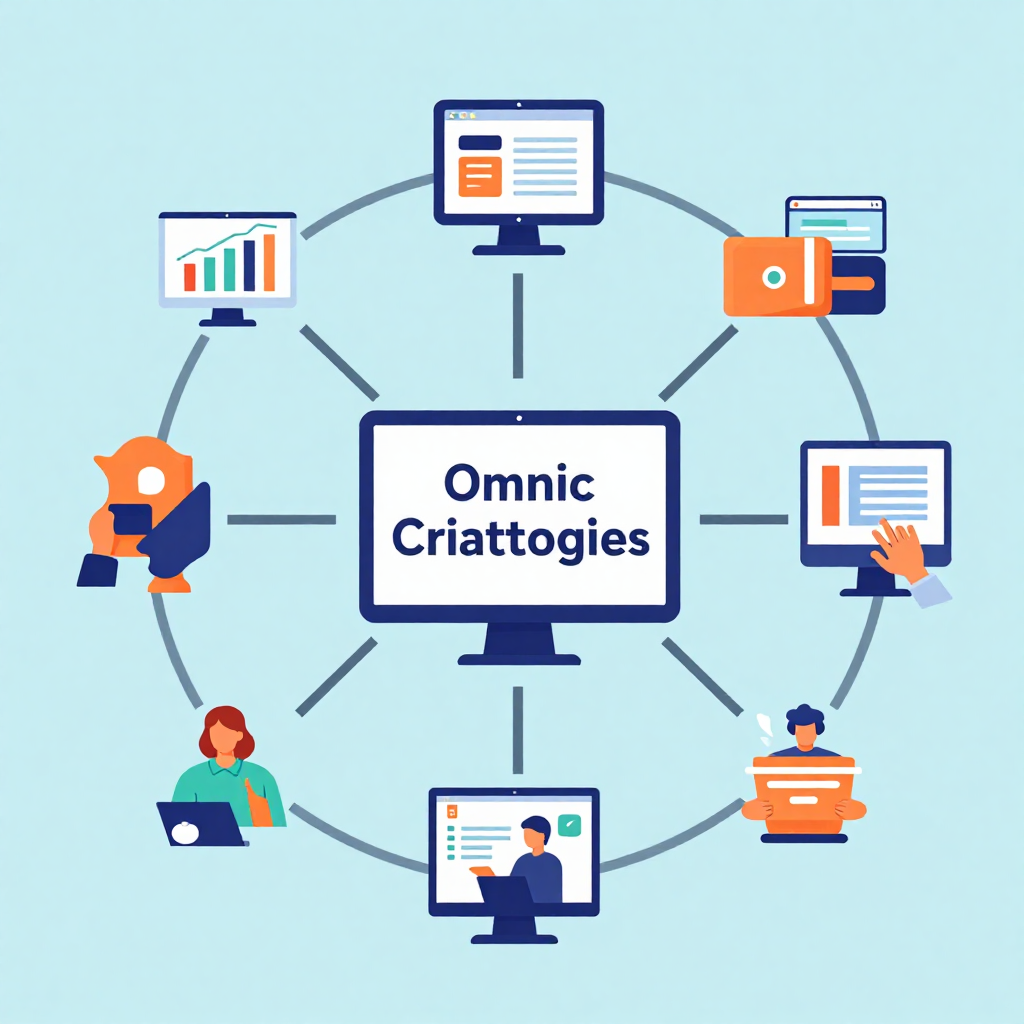
4. Omnichannel Selling
Top dropshippers utilize:
- Dedicated Shopify or WooCommerce stores.
- Social media shopping (Instagram, Facebook Shops).
- Marketplaces like Amazon or Etsy.
An integrated omnichannel approach boosts brand visibility and sales opportunities.
5. Supplier Quality and Integration
Dropshipping businesses thrive when suppliers:
- Have dependable inventory.
- Fulfill orders quickly.
- Support API automation for seamless syncing.
Strengthening supplier relationships reduces errors, delays, and operational headaches.
6. Technology and Automation
AI and automation now assist with:
- Product research identifying trending items.
- Dynamic pricing models maximizing profits.
- Chatbots improving customer support.
- Automated marketing workflows.
Leveraging technology is no longer optional; it’s essential for efficiency.
7. Sustainability and Ethics
With rising environmental awareness, companies that:
- Source sustainable products.
- Use eco-friendly packaging.
- Promote ethical labor practices.
win over conscious consumers willing to pay extra.
Overall, dropshipping in 2026 requires more sophistication, strategic planning, and customer-centricity than ever before.
Profitability Factors in Dropshipping 2026
Profitability hinges on multiple interconnected factors:
| Profitability Factor | 2026 Insights |
|---|---|
| Margins | 10-30%, lower than traditional retail but offset by low overhead |
| Marketing Costs | Paid ads costly, focus on organic and targeted campaigns |
| Customer Retention | Subscription models and repeat buyers critical for stability |
| Product Selection | Trending, unique items supported by suppliers stay profitable |
Margins and Costs
While dropshipping margins have tightened, the model’s low fixed costs (no warehousing or bulk inventory) help maintain profitability. Smart entrepreneurs minimize wasted ad spend by mastering targeted marketing and SEO.
Marketing Strategies
Organic traffic through content, influencer partnerships, and social media engagement often yields better ROI than paid ads alone. Combining paid and organic creates balanced acquisition channels.
Retaining Customers
A repeat buyer is more valuable than first-time sales. Successful stores often implement:
- Subscription boxes.
- Loyalty rewards.
- Personalized follow-ups.
This approach improves lifetime customer value.
Product Research and Selection
Using AI-powered research tools to uncover emerging trends rapidly and sourcing products with strong supplier support ensures consistent inventory and quality — vital for reputation and profits.
Real-Life Dropshipping Success Stories 2026
Numerous businesses illustrate how dropshipping remains profitable today:
1. EcoGoods Co.
Niche: Sustainable household products.
Strategy: Collaborated with local eco-friendly suppliers, utilized Instagram marketing, and emphasized ethical branding.
Outcome: Achieved 25% profit margins and growing repeat subscriptions.
2. FitGear Direct
Niche: Specialized fitness accessories.
Strategy: Focused on sports enthusiasts, employed AI pricing tools, and shipped from regional warehouses.
Outcome: Retained 40% of customers via a subscription service and scaled globally.
3. ArtisanTech Gadgets
Niche: Unique handcrafted tech accessories.
Strategy: Targeted niche enthusiasts on Etsy and integrated chatbot support.
Outcome: High customer satisfaction and steady profit despite niche size.
These examples demonstrate how strategic niche selection, customer experience prioritization, and tech integration drive profitability in varied industries.
A Step-by-Step Guide to Building a Profitable Dropshipping Store in 2026
If you’re considering starting or scaling a dropshipping business in 2026, use this actionable guide:
- Choose a Specialized Niche
Research underserved markets with passionate audiences willing to pay for quality or uniqueness. - Find Reliable, Fast Suppliers
Prioritize local/regional partners or suppliers offering fast fulfillment and API integration. - Build an Omnichannel Presence
Set up your own store and expand to social shops and marketplaces to diversify sales. - Leverage AI and Automation Tools
Use technology for product research, dynamic pricing, and customer engagement automation. - Invest Heavily in Branding and Customer Experience
Design professional websites, respond promptly, and ensure fast shipping. - Implement Organic Marketing Strategies
Create content, utilize influencers, and optimize SEO for sustainable traffic growth. - Develop Customer Retention Programs
Use loyalty rewards, subscription boxes, and personalized emails. - Monitor Metrics and Adapt Quickly
Analyze sales, ad efficiency, and customer feedback; iterate strategies as needed.
By following these steps, dropshippers can overcome challenges and build resilient, profitable brands.
Benefits and Practical Tips for Dropshipping Success in 2026
Benefits
- Low startup costs and overhead.
- Flexibility to test products with minimal risk.
- Access to global markets instantly.
- Scalability through automation and tech.
Tips
- Always vet suppliers thoroughly for consistency.
- Focus on unique product bundles or customization.
- Prioritize mobile-friendly website design.
- Use data-driven marketing instead of guesswork.
- Stay updated with industry trends and tech tools.
- Emphasize sustainable and ethical sourcing to stand out.
These measures not only increase profitability but future-proof your business.
Future Trends in Dropshipping to Watch
AI-Driven Hyper-Personalization
Personalized product recommendations and marketing campaigns will become more automated and precise.
Augmented Reality (AR) Shopping
Allowing customers to visualize products virtually before buying will reduce return rates.
Localized Warehousing Networks
More regional 3PL partnerships to meet faster shipping expectations.
Conscious Consumerism Growth
Sustainability practices will shift from a bonus to a baseline expectation.
Keeping ahead of these trends will unlock new profit avenues.
Conclusion
So, is dropshipping still profitable in 2026? The answer is a resounding yes — but profitability now depends on being strategic, customer-focused, and tech-savvy. Increased competition and rising buyer expectations mean that success won’t come from shortcuts or generic stores. Instead, entrepreneurs who invest in niche specialization, robust supplier relationships, omnichannel sales, and automation stand the best chance of thriving.
Dropshipping today is a scalable, sustainable e-commerce strategy when executed thoughtfully — offering a realistic pathway to build online businesses in India and globally.
Ready to take your dropshipping business to the next level? Contact us today for expert guidance, tools, and niche recommendations tailored to the 2026 market!
FAQ
What niches are best for dropshipping in 2026?
Specialized markets such as eco-friendly products, fitness accessories, and artisan goods show high potential due to less competition and premium pricing.
How important is automation for dropshipping?
Extremely important. AI tools aid with product selection, pricing, customer service, and marketing, saving time and increasing profits.
Can small dropshipping stores compete with big retailers?
Yes, by focusing on niches, offering superior customer experience, and leveraging omnichannel strategies, small stores can build loyal audiences.
What should I prioritize to improve profitability?
Choose reliable suppliers, optimize marketing spend, focus on customer retention, and build a strong brand.
Related posts
Word count: 1880
Recent Blog

Is Your Website Ready for 6G and Spatial Web?
Is Your Website 6G Ready? The Shift Toward Spatial Interfaces…

AI Voice Agents Boost Real-Time Payment Collections
The Voice of Revenue: How AI Voice Agents are Revolutionizing…

WhatsApp Log-Out Disruption: What Business Owners Must Know
Business Owners and Dropshippers: Coping with the WhatsApp "Log-Out" Disruption…
