 :
:  :
: 


 CUBICLES CODERS PVT LTD
Why Your Business Needs Agentic Web Apps in 2026
Beyond the Chatbot: Why Your Business Needs Agentic Web Apps in 2026
Estimated reading time: 8 minutes
Key Takeaways

- Agentic web apps represent a transformative advancement over traditional chatbots.
- These apps deliver proactive and intelligent user experiences, enhancing customer engagement.
- Implementing agentic applications involves strategic planning and investment in technology.
- Businesses across various sectors can benefit from the efficiencies and personalization offered by agentic web apps.
- Preparing for the future with agentic web apps allows businesses to maintain competitive advantages.
Table of Contents

Introduction
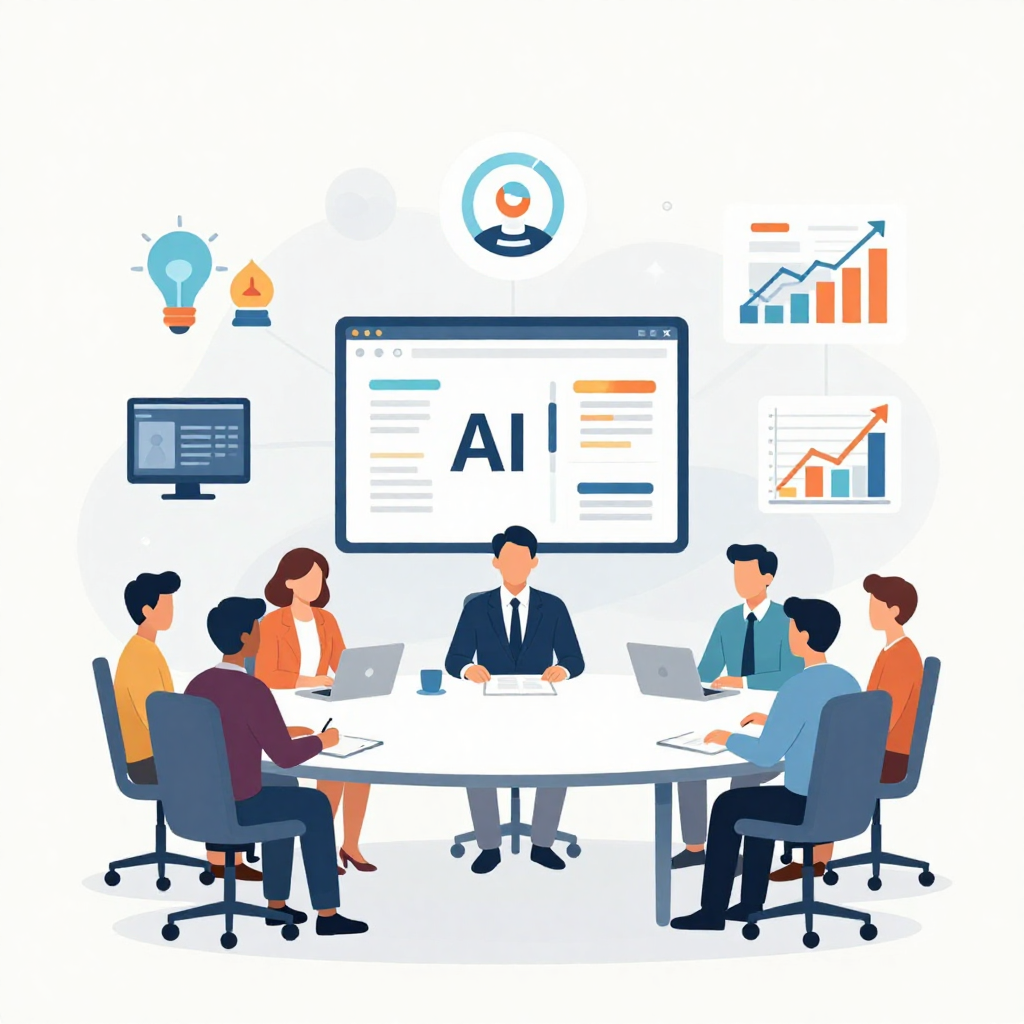
In today’s rapidly evolving digital world, customer expectations are more demanding than ever. Businesses across the globe—from startups in Bangalore to enterprises in New York—seek smarter solutions to enhance user experiences and streamline operations. While chatbots have been the go-to technology for automating customer service and engagement, their capabilities are reaching a plateau. Enter agentic web apps, a revolutionary leap forward that redefines digital interaction and autonomous operation.
What exactly sets agentic web apps apart from the familiar chatbot? How will they shape the future of customer engagement and business automation in 2026 and beyond? This article explores why your business cannot afford to ignore the rise of agentic web apps as they promise proactive, intelligent, and seamless web-based solutions that transcend reactive chatbot conversations.
From AI-driven autonomous workflows to hyper-personalized user journeys, we’ll dive deep into the transformative potential of agentic web apps, backed by real-world examples and actionable insights for businesses preparing to step into this new era.
Why the Chatbot Era Is Coming to an End
Chatbots brought undeniable benefits by automating repetitive tasks and answering FAQs. However, they are fundamentally reactive tools—waiting for user commands before responding. This limitation is becoming increasingly apparent as digital user journeys grow more complex and conversational expectations rise.
Here are some key shortcomings of traditional chatbots:
- Reactive Only: Chatbots rarely take initiative or anticipate user needs.
- Task Silos: Typically designed for narrow functions without cross-department integration.
- Limited Personalization: Responses often lack depth and tailored context.
- Static Learning Models: Require frequent manual training to keep updated.
According to Gartner, by 2025 over 50% of enterprises will have shifted from simple chatbots to agentic AI-driven applications that can autonomously perform multi-step business processes, finely tuned to user context. It’s clear that chatbots alone are no longer enough to meet evolving business demands or customer expectations in 2026.
What Are Agentic Web Apps?
Agentic web apps represent the next generation of intelligent digital assistants embedded within web platforms. Unlike chatbots that wait for user prompts, agentic apps are capable of:
- Perceiving their environment through sensors, APIs, or data streams.
- Making decisions autonomously using AI and machine learning models.
- Taking proactive actions without explicit instructions.
- Learning continuously to optimize outcomes over time.
These apps combine advanced technologies such as:
- Natural Language Processing (NLP)
- Computer Vision (CV)
- Reinforcement Learning
- Contextual Analytics
For instance, an agentic web app can autonomously manage customer support, inventory, compliance workflows, or marketing campaigns by integrating data from internal databases, third-party services, and user interactions.
| Feature | Chatbot | Agentic Web App |
|---|---|---|
| Responsiveness | Reactive | Proactive |
| Learning | Static updates | Continuous learning |
| Functionality | Single task | Multi-step workflows |
| Personalization | Basic | Hyper-personalized |
| Integration | Limited | Extensive |
Real-world Examples of Agentic Web Apps in Action
1. Retail and eCommerce
An online fashion retailer uses agentic web apps to predict which products a user might like based on browsing patterns and social media trends. The app can then autonomously suggest personalized discounts or cross-sell complementary items, increasing conversion rates without manual marketing effort.
2. Finance and Banking
Agentic apps in banking autonomously handle loan processing, fraud detection, and investment advice by analyzing customer profiles, transaction history, and external market data. These apps reduce approval times from days to minutes while maintaining compliance rigorously.
3. Healthcare
Healthcare providers deploy agentic web apps to monitor patient vital signs in real-time, predict potential health risks, and trigger emergency protocols automatically. These apps integrate with wearable devices and electronic health records for seamless patient management.
4. Customer Service
Beyond scripted chatbot responses, agentic web apps can autonomously route tickets, escalate issues based on urgency, and recommend personalized solutions by learning from historical support data—improving customer satisfaction rates significantly.
5. Manufacturing
Agentic apps optimize supply chain operations by autonomously adjusting inventory orders based on demand forecasts, supplier delays, and production schedules—reducing waste and operational costs.
How to Prepare Your Business for Agentic Web Apps
Transitioning beyond chatbots to agentic web applications requires deliberate planning and investment. Here is a step-by-step guide to get started:
- Assess Your Current Infrastructure
Evaluate existing AI, data pipelines, and integration capabilities to identify gaps. - Invest in Real-Time Data Processing
Implement AI-driven analytics platforms with the ability to process and react to data instantly. - Build Cross-Functional Teams
Form multidisciplinary squads including AI engineers, UX designers, data scientists, and business strategists. - Focus on Ethical, Transparent Design
Ensure your agentic apps respect user privacy, operate with transparency, and explain their decisions clearly. - Adopt Cloud and Edge Computing
Leverage scalable cloud infrastructure and edge computing for responsiveness and security. - Run Pilot Projects
Start with limited deployment targeting key workflows; gather feedback and iterate rapidly. - Train and Upskill Your Workforce
Prepare employees to collaborate with autonomous systems and manage strategic tasks. - Implement Continuous Monitoring
Use monitoring tools to track performance, bias, and user satisfaction for ongoing improvement.
The Top Benefits of Agentic Web Apps in 2026
- Proactive Customer Interaction: Engage users before problems surface, enhancing loyalty.
- Operational Efficiency: Automate complex workflows, reducing human error and costs.
- Enhanced Personalization: Deliver individualized experiences at scale with adaptive AI.
- Data-Driven Decision Support: Empower executives with predictive insights.
- Competitive Edge: Lead market innovation by adopting cutting-edge autonomous apps.
- Scalability: Seamlessly grow operations supported by intelligent systems.
- Resilience & Adaptability: Continuously learn to perform effectively amid changing conditions.
Future Trends: What’s Next for Agentic Web Apps?
Looking ahead, agentic web applications will:
- Incorporate multimodal AI combining text, voice, images, and sensor data.
- Leverage explainable AI (XAI) for clearer transparency and regulatory compliance.
- Expand into the metaverse and immersive experiences, acting as autonomous digital agents.
- Integrate deeper with Internet of Things (IoT) for real-world autonomous decision-making.
- Utilize federated learning to protect data privacy while improving AI models collaboratively.
Preparing for this future means embracing a culture of innovation and agile adaptation. Businesses in India and worldwide that do so will unlock new levels of customer intimacy, operational excellence, and profit growth.
Conclusion
The era of chatbots served its purpose but is no longer enough for businesses chasing agility and deeper customer connections in 2026. Agentic web apps empower organizations to transcend reactive interactions, automate intelligently, and deliver hyper-personalized user experiences through autonomous decision-making.
Is your business ready to move beyond the chatbot into the future of agentic autonomy? Embracing these innovations today will position you as a frontrunner tomorrow.
Contact us today to explore how agentic web apps can transform your digital strategy and deliver measurable business impact.
FAQ
Q1: How do agentic web apps differ from AI chatbots?
Agentic web apps operate autonomously, perceiving their environment and taking proactive actions, while chatbots mostly respond reactively to user inputs.
Q2: Are agentic web apps suitable for small businesses?
Yes. Cloud-based solutions mean agentic apps can scale flexibly, benefiting businesses of all sizes by automating complex tasks.
Q3: What industries benefit most from agentic web apps?
Retail, finance, healthcare, manufacturing, and customer service industries are already seeing significant advantages.
Q4: How do agentic apps handle data privacy?
With proper design, including encryption, federated learning, and transparency, agentic apps can comply with privacy standards.
Q5: What skills does my team need to implement agentic web apps?
Expertise in AI/ML, data engineering, UX design, ethical AI governance, and domain-specific knowledge are critical.
Recent Blog

Is Your Website Ready for 6G and Spatial Web?
Is Your Website 6G Ready? The Shift Toward Spatial Interfaces…

AI Voice Agents Boost Real-Time Payment Collections
The Voice of Revenue: How AI Voice Agents are Revolutionizing…

WhatsApp Log-Out Disruption: What Business Owners Must Know
Business Owners and Dropshippers: Coping with the WhatsApp "Log-Out" Disruption…
