 :
:  :
: 


 CUBICLES CODERS PVT LTD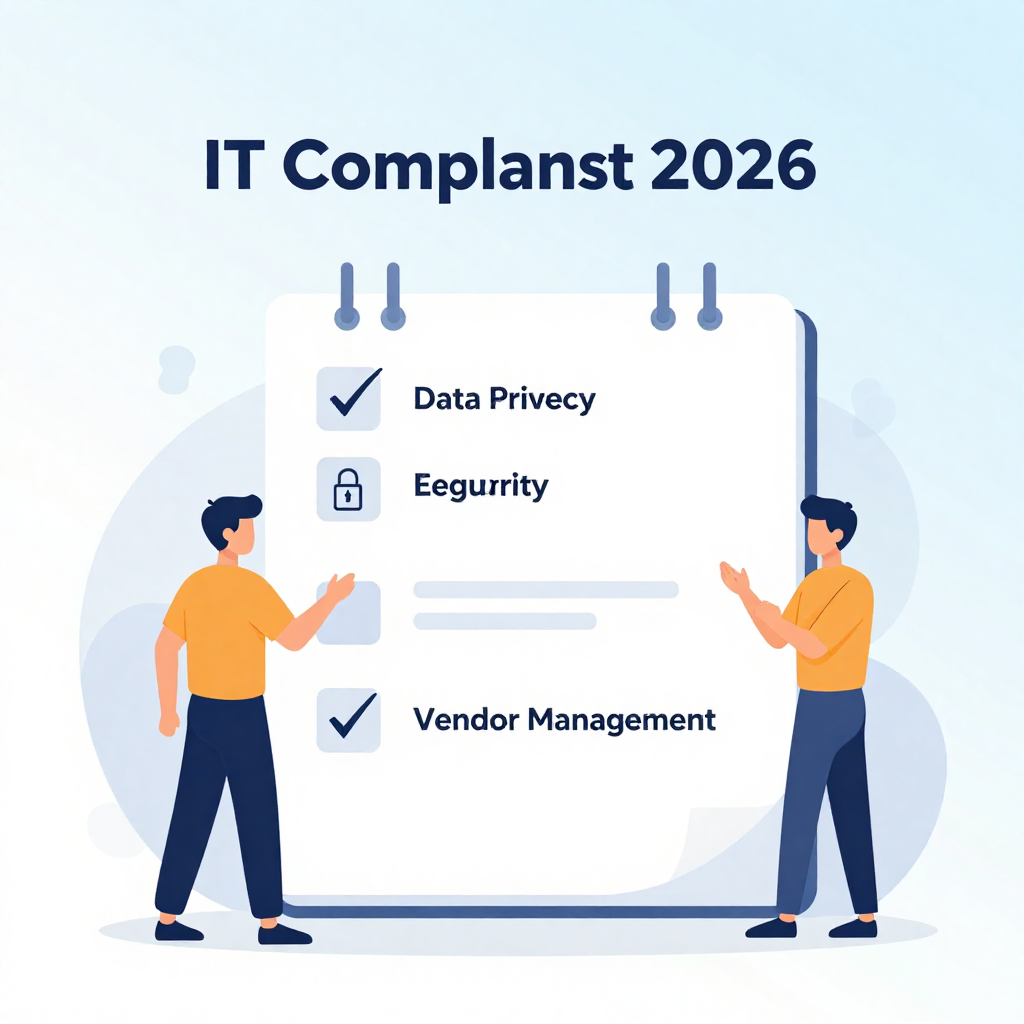
IT Compliance Checklist for Startups in 2026
IT Compliance in 2026: A Checklist for Startups to Avoid Legal Pitfalls
Estimated reading time: 7 minutes
Key Takeaways
- Understanding applicable regulations is fundamental for compliance.
- Data privacy protection must be integrated from the design phase of products.
- Regular cybersecurity measures and employee training are essential.
- Vendor management is critical to mitigate third-party risks.
- Compliance should be viewed as an ongoing process rather than a one-time task.
Table of Contents
Introduction
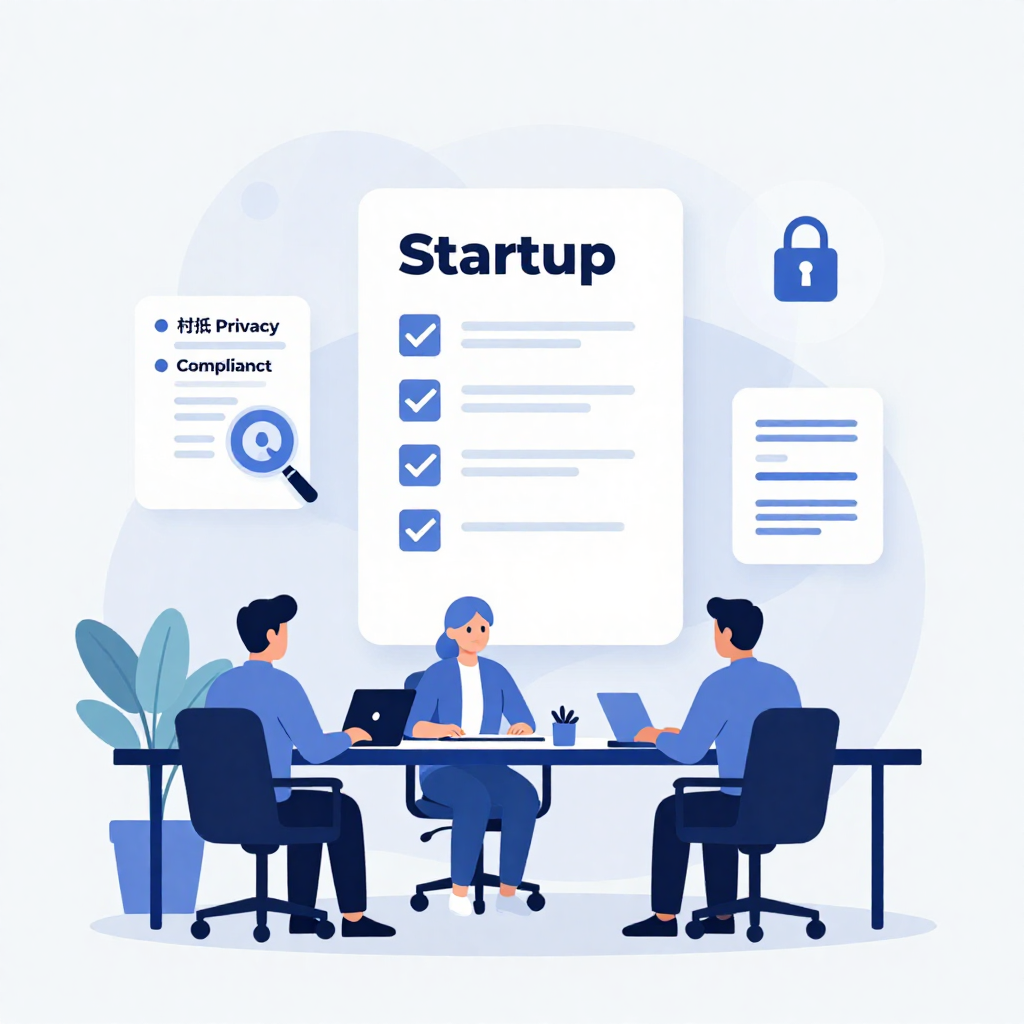
In today’s fast-paced digital landscape, IT compliance in 2026: a checklist for new startups to avoid legal pitfalls is more crucial than ever. As startups innovate and scale quickly, navigating a maze of regulations—from data privacy laws like GDPR to cybersecurity mandates—is vital to protect not just data but the very future of the business. Failure to comply can lead to hefty fines, legal troubles, and lasting reputational damage.
Whether you’re just launching your tech startup in Bangalore, expanding a medical device company in Berlin, or entering e-commerce in New York, understanding the evolving regulatory environment is key to sustainable growth. This article breaks down the most critical compliance areas for startups in 2026, offering a practical checklist tailored to diverse industries and regions. We’ll cover everything from privacy and cybersecurity to vendor risk management and compliance training—ensuring you build a robust foundation that safeguards your company’s assets and customer trust.
Ready to future-proof your startup and stay legally sound? Let’s dive into the core steps every new business must implement for IT compliance success.
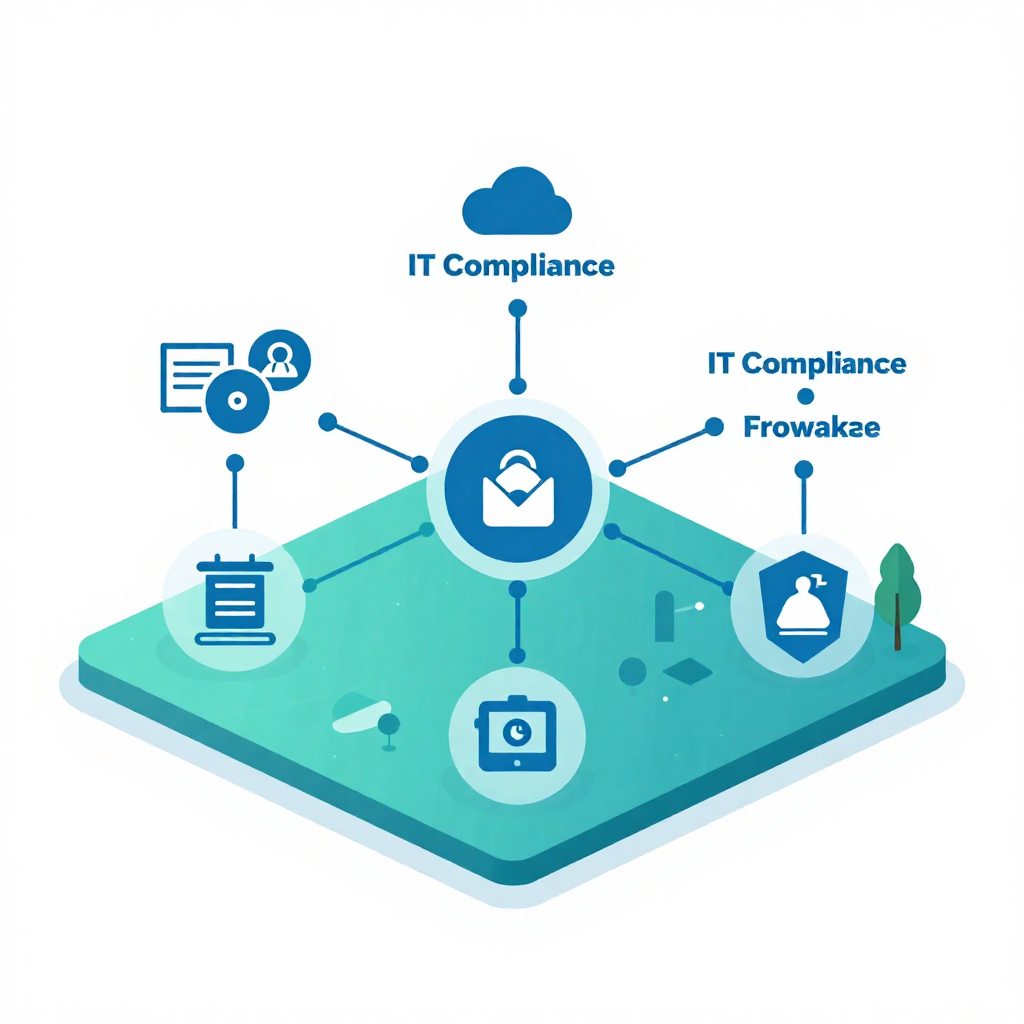
The Growing Importance of IT Compliance
The regulatory landscape around IT compliance in 2026 is more complex and dynamic than ever. With new laws targeting data privacy (like updates to CCPA in the US), strengthened cybersecurity rules, and emerging AI governance, startups face an increased risk of non-compliance. According to a 2025 report by Gartner, over 60% of data breaches in startups were linked to inadequate compliance practices, underscoring how costly missteps can be.
Not only do regulations differ by industry—from healthcare’s HIPAA to finance’s SOX and PCI DSS standards—but global variances mean startups operating internationally must be vigilant about local data residency and processing rules. For example, companies serving EU customers must comply with GDPR’s stringent requirements, even if headquartered elsewhere.
Failing to integrate compliance from the start can result in legal penalties, lost customer trust, and disrupted operations. Conversely, startups that embed compliance into their culture and systems report stronger brand reputations, better investor confidence, and a competitive edge in attracting clients.
In essence, staying ahead of IT compliance trends is no longer optional—it’s a strategic imperative.
Comprehensive Checklist for IT Compliance in 2026
1. Understand Applicable Regulations
Knowing the rules that apply to your startup’s operations is foundational.
- Identify relevant laws and standards based on industry and location. For example, e-commerce startups in the US must handle PCI DSS for payments; healthcare entities must comply with HIPAA.
- Keep abreast of regulatory updates, especially around data privacy, AI use, and cybersecurity frameworks.
- Consider subscribing to compliance alerts or joining industry groups for early insights.
2. Data Privacy and Protection
Protecting user data is the cornerstone of compliance.
- Implement privacy by design—integrate privacy controls early in product development.
- Gain clear, informed consent from users before collecting or processing personal data.
- Carry out Data Protection Impact Assessments (DPIAs) regularly to identify risks.
- Keep detailed records of data processing activities to demonstrate transparency.
- Allow users to access, correct, or delete their personal data easily.
- Use state-of-the-art encryption for both stored and transmitted data.
3. Cybersecurity Measures
Cyber threats continue to evolve, requiring startups to stay proactive.
- Conduct vulnerability assessments and penetration tests at least quarterly.
- Enable multi-factor authentication (MFA) on all critical systems.
- Develop and routinely test a comprehensive incident response plan.
- Deploy endpoint protection and network controls to safeguard assets.
- Educate employees on recognizing phishing and other attack vectors.
4. IT Governance and Policies
Clear policies and governance frameworks drive compliance culture.
- Draft transparent IT policies covering acceptable use, remote work, device security, and access control.
- Define roles and responsibilities for compliance ownership.
- Enforce least privilege principles for system access and periodically review permissions.
- Keep a log and audit trail of IT activities critical for investigations and audits.
5. Vendor Management and Third-Party Risk
Third-party vendors can be your weakest link.
- Perform thorough due diligence on vendors’ compliance posture before engagement.
- Embed compliance clauses and service requirements into contracts.
- Monitor vendors regularly through audits and risk assessments.
- Ensure data shared with third parties is encrypted and access controlled.
6. Software Licensing and Intellectual Property Protection
Proper management reduces legal exposure.
- Use only legally licensed and updated software, avoiding piracy risks.
- Track all software licenses and renewals systematically.
- Protect your own intellectual property (IP) via trademarks, copyrights, and patents to maintain competitive advantage.
7. Cloud and Data Hosting Compliance
Cloud solutions are popular among startups but come with compliance considerations.
- Choose cloud providers with proven certifications (e.g., ISO 27001, SOC 2).
- Understand and comply with data residency mandates—know where your data is physically stored.
- Define clear Service Level Agreements (SLAs) addressing uptime, security, and incident reporting.
Conclusion
Achieving full IT compliance in 2026 is both a challenge and a critical success factor for new startups. By following this comprehensive checklist—from understanding your regulatory environment and securing data privacy to training employees and managing vendor risks—you build resilience against legal repercussions and enhance your company’s reputation.
Startups that proactively embed compliance into their DNA not only avoid costly penalties but also gain clients’ trust and investor confidence. Ready to make compliance a competitive advantage? Contact us today! We can help you tailor a compliance roadmap that fits your startup’s unique needs and keeps you ahead of legal pitfalls.
FAQ
Q1: What are the most important regulations for startups in 2026?
A: It depends on your industry and location but generally includes GDPR, CCPA, HIPAA (healthcare), SOX (finance), and PCI DSS (payments). Stay updated on emerging AI and cybersecurity laws.
Q2: How often should startups conduct IT compliance audits?
A: At least annually, with more frequent checks such as quarterly vulnerability assessments and policy reviews recommended.
Q3: Can startups use cloud services securely and remain compliant?
A: Yes, by choosing compliant cloud providers, understanding data residency laws, and defining solid SLAs.
Q4: Why is employee training important for IT compliance?
A: Employees who understand compliance reduce human errors, recognize threats like phishing, and contribute to a compliant culture.
Q5: Are compliance management software solutions worth investing in for startups?
A: Absolutely. These tools automate tracking requirements, make audits easier, and reduce manual errors.
Recent Blog
Is Your Website Ready for 6G and Spatial Web?
Is Your Website 6G Ready? The Shift Toward Spatial Interfaces…

AI Voice Agents Boost Real-Time Payment Collections
The Voice of Revenue: How AI Voice Agents are Revolutionizing…

WhatsApp Log-Out Disruption: What Business Owners Must Know
Business Owners and Dropshippers: Coping with the WhatsApp "Log-Out" Disruption…
